Revision Bariatric Surgery: Inside the Operating Room
When does a patient need revision bariatric surgery?
Revision may be needed for weight regain or insufficient weight loss, a dilated sleeve, severe reflux after sleeve gastrectomy or complications of earlier operations. Dr. Mohammad Al-Zaitawi decides on the type of revision after upper endoscopy, imaging and a nutrition assessment.
What is revision surgery?
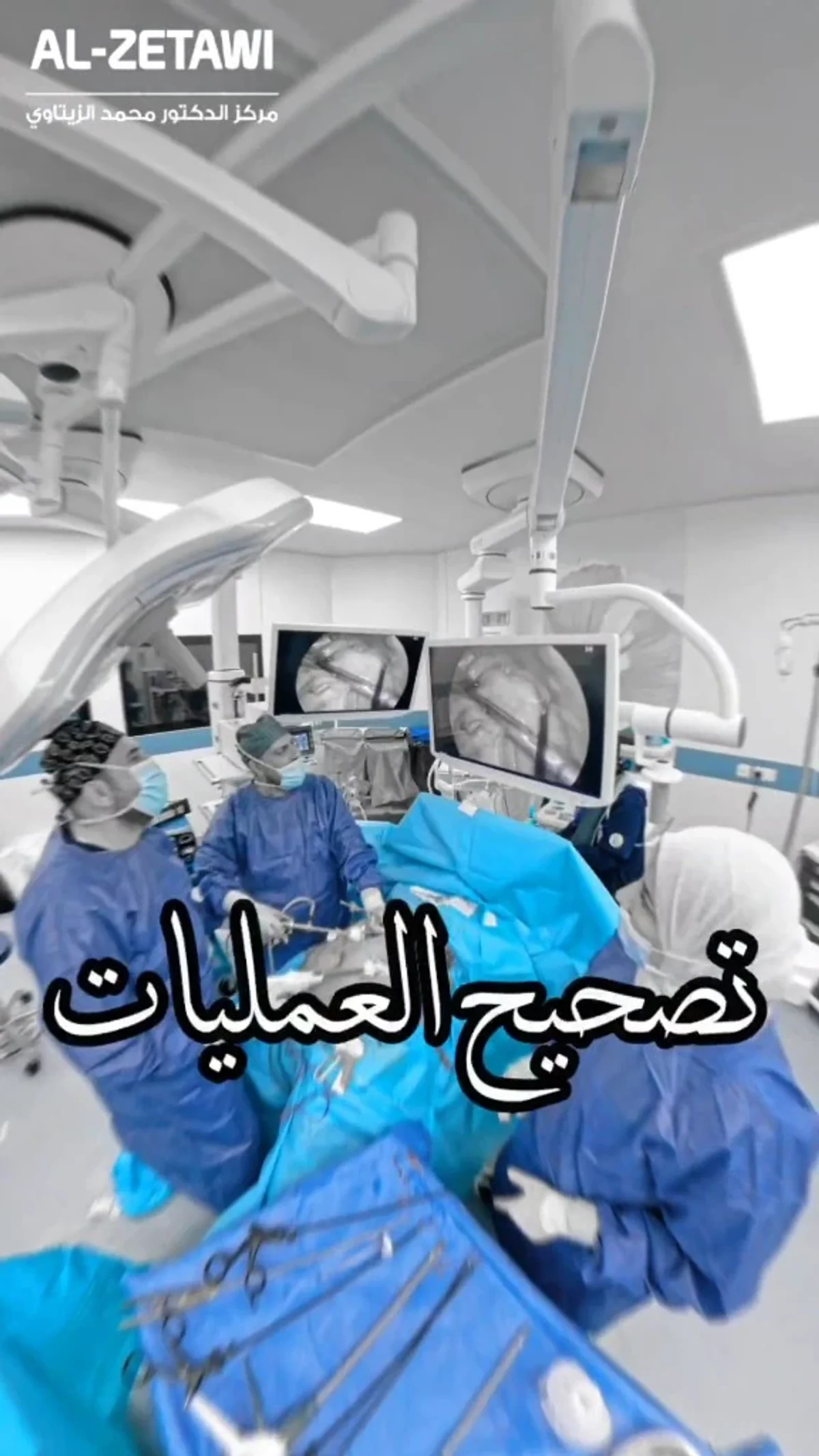
Revision surgery is a second operation for a patient who has already had a bariatric procedure that did not reach its goal or caused a problem. The photo shows the surgical team in the operating room during a laparoscopic revision, with the screens showing what the surgeon sees inside the abdomen.
When is revision needed?
Common reasons include weight regain or insufficient weight loss, a dilated sleeve, severe reflux that does not respond to treatment, and complications or problems from earlier operations such as banding or plication. Not every weight regain is caused by the operation itself; eating habits, mental health and hormones are assessed first.
How patients are assessed before deciding
Before any revision we review the details of the first operation and perform an upper endoscopy, imaging of the stomach when needed, blood tests and a nutritional and behavioral assessment. The goal is to find the real cause of the problem, because the right treatment depends on the cause, not only on the wish for a new operation.
Revision options
Depending on the cause, the option may be a re-sleeve for a dilated sleeve, converting a sleeve to a mini or classic gastric bypass for severe reflux or weight regain with diabetes, or adjusting a previous operation. Revision is more delicate than the first operation because of adhesions and altered anatomy, so it needs a surgeon experienced in revisions.
The journey, step by step
- Reviewing the previous operation
Collecting reports of the first operation and the weight and symptom history.
- Tests
Upper endoscopy, imaging, blood tests and a nutritional and behavioral assessment.
- Choosing the revision
Selecting the right procedure based on the real cause of the problem.
- Revision surgery
Laparoscopic revision in the operating room.
- Follow-up
A new nutrition plan, vitamins, blood tests and regular follow-up.
Revision surgery is not an ordinary second operation; it is a decision built on first understanding the cause of the problem. That is why we do not propose any revision before reviewing the previous operation, the tests and the nutritional assessment, and then choose the procedure that treats the cause as safely as possible. Results vary from patient to patient.
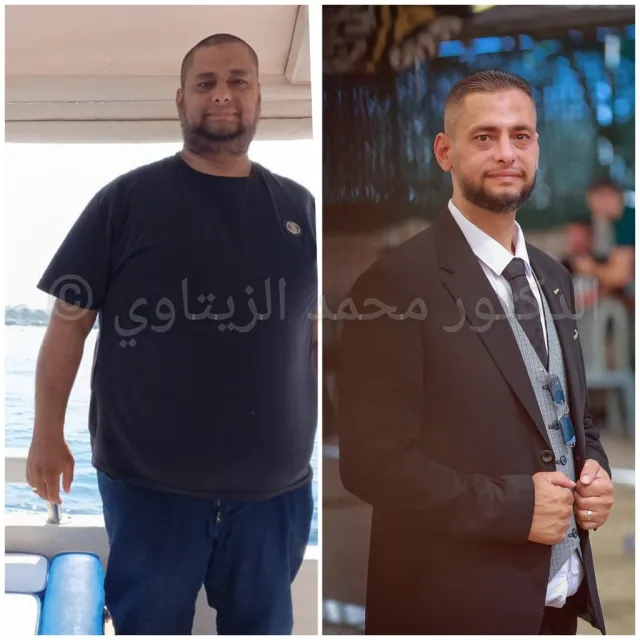
This story reflects one patient's experience. Your result depends on your starting weight, health, the chosen procedure and your commitment after surgery. Only a personal medical evaluation can tell you what to expect.
An operating-room photo from Dr. Mohammad Al-Zaitawi’s bariatric and laparoscopic surgery center in Jordan during laparoscopic revision of a previous bariatric operation. Revision is done for weight regain, a dilated sleeve, severe reflux or complications of earlier operations, after an assessment that includes upper endoscopy, imaging and a nutrition review; options include a re-sleeve or conversion to gastric bypass.
Frequently asked questions
Can a sleeve be converted to a gastric bypass?
Yes. Converting a sleeve to a mini or classic gastric bypass is one of the most common revision options, especially for severe reflux or weight regain with diabetes, and is decided after assessment.
Is revision surgery riskier than the first operation?
It is usually more delicate and longer because of adhesions and altered anatomy, and its risks can be slightly higher, so it needs careful assessment and a surgeon experienced in revisions.
Does weight regain always mean the operation failed?
No. The cause may be eating habits, low activity or psychological or hormonal factors, so assessment starts with nutrition and behavior before considering another operation.
What tests are needed before revision surgery?
Usually an upper endoscopy, stomach imaging when needed, full blood tests and a nutritional and behavioral assessment, plus reports of the previous operation if available.
How do I start an assessment for revision?
Send the type and date of your previous operation, your weight before and after it and your current symptoms via WhatsApp +962 79 570 2800 for an initial assessment.