
Introduction
Overview of sleeve gastrectomy
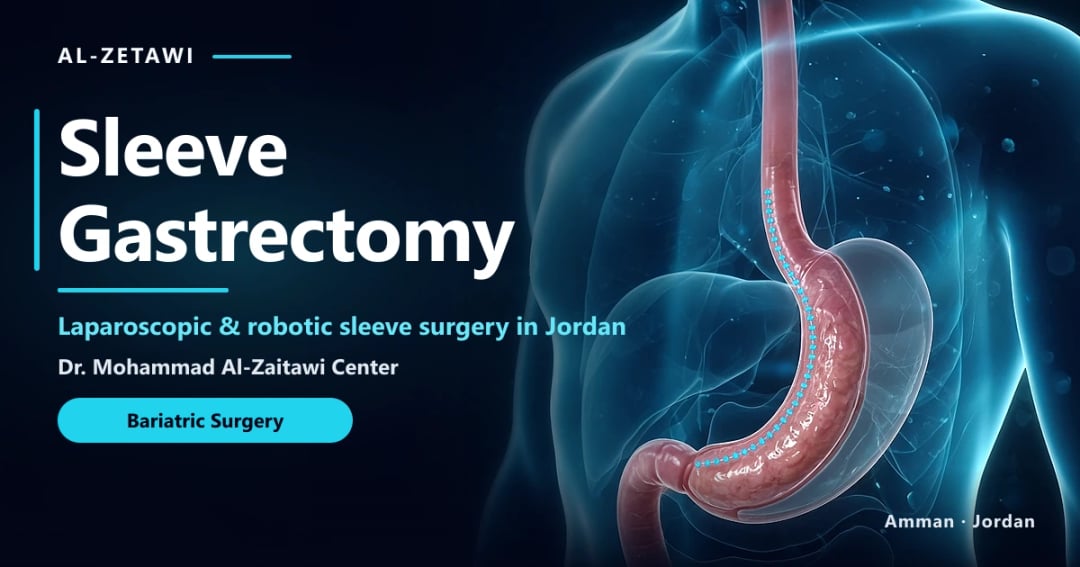
Sleeve gastrectomy reduces stomach volume to promote weight loss. A large portion of the stomach is removed, leaving a narrow, sleeve-shaped stomach. This limits how much food you can eat at one time and supports meaningful weight loss over time.
Procedural notes to keep in mind:
- Most patients experience significant early satiety, with gradual metabolic improvements.
- The operation is typically performed laparoscopically, with smaller incisions and a faster recovery.
- Long-term success depends on dietary adherence and multidisciplinary follow-up.
Understanding why the procedure works helps you make informed decisions. Reducing stomach size lowers the amount of food you can comfortably eat at one time and influences the gut hormones that regulate hunger and fullness, so you feel full earlier after meals. This combination often translates into steady weight loss when paired with a structured eating plan and ongoing support from your care team. As your body adjusts to the new stomach size, watch how early you feel full and how you tolerate different textures and portions.
Recovery patterns vary. Most patients resume light activity quickly, but expect several days to weeks before you notice consistent energy gains and better tolerance for daily activities. Your medical team will guide you on when to return to work, exercise and driving, based on your procedure and recovery pace. A strong follow-up plan helps you track progress, adjust meals and close any gaps in nutrition, hydration or activity that could affect long-term outcomes.
In practical terms, a patient usually starts with clear liquids and gradually reintroduces soft foods during the first weeks after surgery, then progresses to regular meals in smaller portions. The key is listening to your body, eating slowly and prioritizing protein to support satiety and muscle maintenance. If you notice persistent intolerance to certain foods, a dietitian can tailor your plan while making sure you meet essential nutrient needs. This is where Dr. Mohammad Al-Zaitawi's center provides structured guidance and personalized follow-up aligned with international standards.
Why Jordan is a noted destination for bariatric surgery
Jordan has developed a robust bariatric surgery ecosystem that attracts medical travelers, with experienced surgeons and hospitals accredited by Joint Commission International (JCI), a mark of high healthcare quality. Amman hosts specialized bariatric programs that follow international guidelines for obesity care, from sleeve gastrectomy to gastric bypass and revision surgery, and that support patients throughout their weight loss journey.
Key factors attracting medical travelers include:
- High-volume bariatric programs focused on sleeve gastrectomy and related procedures
- Multidisciplinary teams that coordinate preoperative evaluation, surgery and postoperative nutrition care
- Modern operating theaters, minimally invasive techniques and comprehensive recovery programs
- A strategic location in the region, combined with reputable hospitality and patient support services
| Consideration | Jordan advantage |
|---|---|
| Clinical expertise | Specialized bariatric centers with multidisciplinary teams |
| Technology | Laparoscopic and minimally invasive approaches |
| Pre and post care | Structured nutrition, lifestyle support and follow-up |
| Access for medical travelers | Strategic location and dedicated patient services |
About the Procedure
What sleeve gastrectomy involves
Sleeve gastrectomy reduces the stomach's capacity by removing a large portion of it and forming a narrow, sleeve-shaped stomach through a laparoscopic approach. This minimally invasive technique uses small incisions. The new stomach limits meal size and promotes earlier satiety, while digestion itself remains essentially intact. The procedure is permanent, which is why careful assessment and preparation matter.
Weight loss occurs as portions shrink and appetite declines. Postoperative nutrition tracking supports sustained results and helps prevent deficiencies. Recovery is gradual, with a structured progression from liquids to solid foods.
During the operation, the surgeon plans the resection to preserve essential digestive functions while creating a restrictive channel. The remaining sleeve controls portion size and helps you feel full sooner, which supports a predictable recovery and long-term adherence to dietary changes.
Postoperative care follows the principles of Enhanced Recovery After Surgery (ERAS): early mobilization, effective pain control and a staged diet. You work with your team to monitor for complications and tailor the plan to your healing timeline. Ongoing follow-up and nutrition support are key to long-term success.
Surgical approach and typical steps
The procedure is performed through small abdominal incisions, with a camera guiding the surgeon. Dr. Mohammad Al-Zaitawi performs bariatric surgery both laparoscopically and robotically, and the approach is chosen for each patient after assessment. Dr. Al-Zaitawi was the first surgeon to perform robotic sleeve gastrectomy in Jordan — Robotic Sleeve Gastrectomy (Lap. Assisted). The main steps are:
- Access and mobilization of the stomach along the greater curvature
- Creation of a tubular stomach by stapling to form the sleeve
- Preservation of the pylorus to maintain normal stomach emptying
- Inspection for bleeding and secure closure of the staple line
Surgeons aim to minimize tissue trauma and protect surrounding structures. Most patients have a short operative time and a rapid initial recovery. Long-term results depend on sustained lifestyle changes and ongoing medical follow-up.
Patients who prefer smaller, lower-placed incisions can ask about the Bikini Sleeve approach, which is suitable for selected patients only.
Indications and Candidacy
BMI thresholds and comorbidity considerations
The 2022 guidelines from the American Society for Metabolic and Bariatric Surgery (ASMBS) and the International Federation for the Surgery of Obesity and Metabolic Disorders (IFSO) set candidacy criteria for sleeve gastrectomy based on BMI and obesity-related health conditions:
- BMI 35 kg/m² or higher, regardless of whether obesity-related conditions are present
- BMI 30 to 34.9 kg/m² with type 2 diabetes or other metabolic disease
- BMI 30 to 34.9 kg/m² when non-surgical methods have not achieved adequate or lasting weight loss or improvement in related conditions
BMI is a practical starting point, but overall health, previous weight loss attempts and the impact of related conditions on daily life are also considered. Your surgical team will evaluate whether a sleeve addresses your metabolic risk and supports long-term weight maintenance.
Clinicians assess how BMI interacts with metabolic health in practice. For example, a patient with a BMI of 33 kg/m² and poorly controlled diabetes, high blood pressure and sleep apnea has a different risk profile from someone with a similar weight and minimal metabolic disturbance. The aim is to balance the potential benefits against surgical risk and turn weight loss into real health improvements.
Some factors point to greater benefit, while others signal challenges. Stronger metabolic improvements often accompany targeted weight loss and can reduce medication needs. On the other hand, psychosocial barriers or limited access to follow-up care can hinder long-term success. Your team takes these elements into account when deciding whether to proceed and how to structure postoperative support.
Preoperative multidisciplinary evaluation
Every patient undergoes a comprehensive multidisciplinary review before surgery. The process aligns surgical planning with nutritional, psychological and medical considerations to optimize outcomes:
- Surgical assessment to confirm anatomy and suitability for a minimally invasive approach
- Nutrition consultation to establish baseline eating patterns and a postoperative plan
- Psychological evaluation to gauge readiness and support needs
- Medical clearance to review cardiovascular risk, endocrine status and interactions with current medications
- Baseline lab work and imaging as indicated, to identify and treat reversible issues before surgery
The team then builds a tailored preoperative plan, including weight stabilization targets and metabolic optimization, to support safer anesthesia, a smoother recovery and sustained weight loss after the procedure.
What to Expect Before and After Surgery
Preoperative preparations
You will go through a thorough preoperative process that prepares your body and mind for surgery, including guidance on nutrition, activity and medications.
Expect a multidisciplinary plan that aligns dietary changes with your metabolic goals. Your team will help you set realistic weight stabilization targets and coordinate labs and imaging as needed:
- Nutrition counseling to establish a preoperative eating plan
- Medical optimization to reduce cardiovascular and metabolic risks
- Psychological evaluation to assess readiness and support needs
- Medication review and adjustments for anesthesia safety
On the day of the procedure, you are assessed for anesthesia clearance and moved to the operating room following standard safety protocols. You will receive instructions on fasting and hydration for the days before surgery.
Postoperative recovery and follow-up
Recovery centers on a careful progression from liquids to solid foods while you build a sustainable eating pattern. Most patients return to routine light activities within a few days, supported by a tailored diet plan and regular check-ins:
- Immediate postoperative monitoring of pain control, mobility and hydration
- Early walking to support circulation and reduce stiffness
- A structured timeline of diet milestones, from clear liquids to balanced meals
- Scheduled follow-up visits to monitor weight, nutrition status and improvement in related conditions
Long-term follow-up focuses on nutrition, lifestyle adjustments and supplementation after sleeve gastrectomy, as well as preventing and managing deficiencies. Your team coordinates supplements, laboratory tests and monitoring of your BMI and metabolic health.
Follow-up support helps you track progress, adjust your plan and reinforce healthy habits. Regular contact with the care team keeps you safe and accountable throughout your weight loss journey, including after you return home through our international patient program. If new symptoms appear, contact your surgical team promptly.
Benefits and Risks
Expected weight loss and health improvements
Sleeve gastrectomy supports meaningful weight reduction when it is paired with structured lifestyle changes. Many patients lose about 55 to 65% of their excess weight, with most of the loss during the first 12 to 18 months, and see their health improve alongside the physical change:
- BMI reduction is often accompanied by metabolic improvements
- Blood pressure and cholesterol levels commonly improve with sustained weight loss
- Insulin sensitivity can improve, which helps diabetes control
As you progress, you will notice changes in your daily routine. Smaller portions and mindful eating reduce daily calories while preserving essential nutrients. Long-term success depends on consistent habits and ongoing support from your care team.
Pair the procedure with a planned program from your team, which typically includes diet milestones, gradual physical activity and regular follow-up. The team at Dr. Mohammad Al-Zaitawi's center tailors this guidance to your history, preferences and goals. You can read real patient stories and patient reviews to see how others managed their journey.
Potential complications and management
As with any major operation, sleeve gastrectomy carries risks. Most are manageable with early detection and appropriate care:
- Bleeding or infection at the incisions
- Leak from the staple line, monitored with imaging and treated as needed
- Digestive symptoms such as nausea or reflux, often managed with diet or medication
- Nutritional deficiencies if supplements are not taken, which requires ongoing monitoring
- Weight loss plateaus or regain if lifestyle changes lapse, which is why long-term follow-up matters
Learn to recognize warning signs. If you develop a persistent fever, increasing abdominal pain, swelling or unusual drainage, contact your team promptly. Regular follow-up visits, labs and medication adjustments help catch issues early and keep you on track.
| Aspect | Typical considerations | What to discuss with your team |
|---|---|---|
| Expected weight loss | Substantial loss of excess weight within 12 to 18 months | Realistic goals based on your medical history and adherence plan |
| Diabetes | Possible improvement in blood sugar control | Your current diabetes treatment and planned adjustments |
| Nutritional needs | Risk of deficiencies if the plan is not followed | Vitamins, minerals and periodic lab checks |
| Digestive symptoms | Possible temporary reflux or stomach discomfort | Diet progression and symptom management |
Patients with significant reflux before surgery may be better served by gastric bypass; your surgeon will discuss this during your assessment.
Choosing a Center in Amman
Why select a specialized bariatric center in Jordan
Choosing a specialized bariatric center in Amman gives you access to a focused team with extensive experience in sleeve gastrectomy and related procedures. Specialized centers coordinate the preoperative assessment, the surgery itself and long-term follow-up, so your care follows one clear plan:
- Multidisciplinary teams that include surgeons, nutritionists, psychologists and anesthesiologists
- Dedicated bariatric programs aligned with ASMBS and IFSO international guidelines
- Structured preoperative pathways that optimize medical conditions before surgery
- Comprehensive postoperative support for sustained weight loss and metabolic improvement
What to look for in a surgeon and facility
Choose a center that prioritizes safety, transparency and evidence-based care. Ask about the program's standards and your path from evaluation to follow-up:
- Surgeon credentials and experience with laparoscopic sleeve gastrectomy
- Hospital accreditation and access to modern imaging, emergency support and safety protocols
- A preoperative evaluation process that covers nutrition, psychology and medical optimization
- Clear plans for nutrition education, supplementation and long-term obesity management
- Adherence to international guidelines and membership in professional societies
| Center feature | Why it matters | What to confirm |
|---|---|---|
| Multidisciplinary team | Addresses related conditions and supports lifestyle changes | The specialists involved and how they coordinate |
| Preoperative optimization | Reduces surgical risk and improves outcomes | Protocol details and required tests |
| Postoperative program | Guides nutrition, activity and monitoring | Follow-up schedule and lab plan |
| Patient education | Sets realistic expectations and adherence strategies | Educational materials and decision support |
Amman's medical district offers streamlined access to specialists and diagnostics, which makes the city convenient for medical travelers. Dr. Mohammad Al-Zaitawi's center is located in Shmeisani, close to major hospitals. When planning your visit, check the travel and visa requirements for your nationality, and ask about language support and travel coordination. Our international patient service helps patients from the Gulf, Europe and North America plan their trip. Your final choice should match your medical needs and comfort, and you can review Dr. Al-Zaitawi's credentials before deciding.
Cost and Insurance Considerations
Average cost of sleeve gastrectomy in Jordan
The cost of sleeve gastrectomy in Jordan is on average around USD 2,500. This makes Jordan one of the most affordable destinations for high-quality bariatric surgery, at a fraction of the typical price in the USA, the UK or Western Europe. The final figure depends on the hospital, the length of stay, the preoperative tests required and your individual medical condition, and is confirmed after reviewing your medical file.
How sleeve gastrectomy pricing works in Jordan
The cost of sleeve gastrectomy in Jordan depends on the hospital, the surgeon's experience and the services included in the package. Anesthesia, hospital stay and postoperative support all influence the total price. Jordanian centers generally price the procedure competitively for international patients while maintaining high standards of care.
Recovery logistics, imaging and laboratory work can also affect the total. Some packages bundle these services, so always confirm exactly what is included and what may be billed separately. When comparing options, look at the combination of surgical skill and aftercare, not the price alone.
Factors affecting pricing and coverage options
- Surgeon and center reputation
- Hospital accreditation and facilities
- Length of hospital stay and any intensive care needs
- Preoperative evaluations and diagnostic tests
- Postoperative follow-up visits, labs and nutrition programs
- Type of anesthesia and perioperative care
- Services for medical travelers, such as translation or airport pickup
| Cost component | Typical considerations | What to clarify with the center |
|---|---|---|
| Procedure fee | Surgeon expertise and technique | A detailed breakdown of the surgical plan |
| Hospital stay | Length of stay based on recovery | Room type, meals and nursing care |
| Preoperative tests | Blood work, imaging and consultations | The list of required tests and their timing |
| Postoperative program | Nutrition, vitamins and follow-up | The schedule and included monitoring |
| Medication and supplements | In-hospital and at-home prescriptions | What is covered and what is out of pocket |
Insurance coverage varies by country and policy. Many plans do not cover elective bariatric surgery abroad. Check with your insurer whether preauthorization is possible and what documents are needed for any reimbursement. Discuss payment timelines and refundable deposits before booking.
When evaluating options, compare total out-of-pocket costs against long-term value: the quality of multidisciplinary care, access to nutrition and metabolic follow-up, and the center's track record in supporting weight management after sleeve gastrectomy. Coordination between the surgical team and aftercare services also matters, because a smooth transition from hospital to home supports a faster recovery.
In practice, you may see two typical paths. One center offers a lower upfront package with fewer aftercare services, which means extra charges later for nutrition counseling and follow-up labs. Another offers a comprehensive aftercare package that may deliver better long-term results at a higher initial cost. The right choice gives you multidisciplinary care, transparent pricing and a clear recovery plan. For a personalized quote, request a consultation and share your medical details.
FAQ
What is sleeve gastrectomy in simple terms?
Who is a good candidate for sleeve gastrectomy?
How much weight can I expect to lose?
What are the common risks?
Is sleeve gastrectomy reversible?
How long is the recovery?
Will I need nutritional supplements?
How do I choose a center in Amman?
How much does sleeve gastrectomy cost in Jordan?
What type of follow-up is needed?
Do I need to change my diet after surgery?
Conclusion
At Dr. Mohammad Al-Zaitawi's center, sleeve gastrectomy is a well-established option delivered within a multidisciplinary care framework. We prioritize rigorous evaluation, precise laparoscopic and robotic technique, and structured follow-up to support durable results.
Choosing a specialized bariatric center in Amman gives you comprehensive preoperative planning, tailored nutrition programs and long-term monitoring. This approach supports weight management, metabolic health and quality of life through a clear, individualized pathway:
- Multidisciplinary teams coordinate the preoperative assessment, surgery and aftercare
- Evidence-based guidelines guide candidacy and perioperative protocols
- Nutrition and lifestyle support sustain results beyond the operating room
As you consider your options, weigh the overall value: surgeon experience, facility standards and the breadth of postoperative support. Patient safety, transparency and continuity of care remain our top priorities throughout your journey.
Note: This information reflects established clinical practice and international guidelines. Individual decisions should be based on your personal health goals and medical advice.
Medical note from Dr. Mohammad Al-Zaitawi
The correct procedure should be selected by medical assessment, not by name alone. Safety, anatomy, medical history and long-term follow-up are essential.
What international patients say
Selected patient feedback connected to this procedure.
International Patient
The coordination before travel and the follow-up after surgery were clear and professional.
Related articles and success stories
Helpful links for patients comparing treatment options and planning their journey.
Scientific references and guidance
These sources support the medical information on this page. If you want this guidance applied to your own case, send us your details for an initial review.
Reviewed by Dr. Mohammad Al-Zaitawi
Prefer a quicker route? Try the free case review or see bariatric surgery costs in Jordan.