
Introduction
Overview of mini gastric bypass
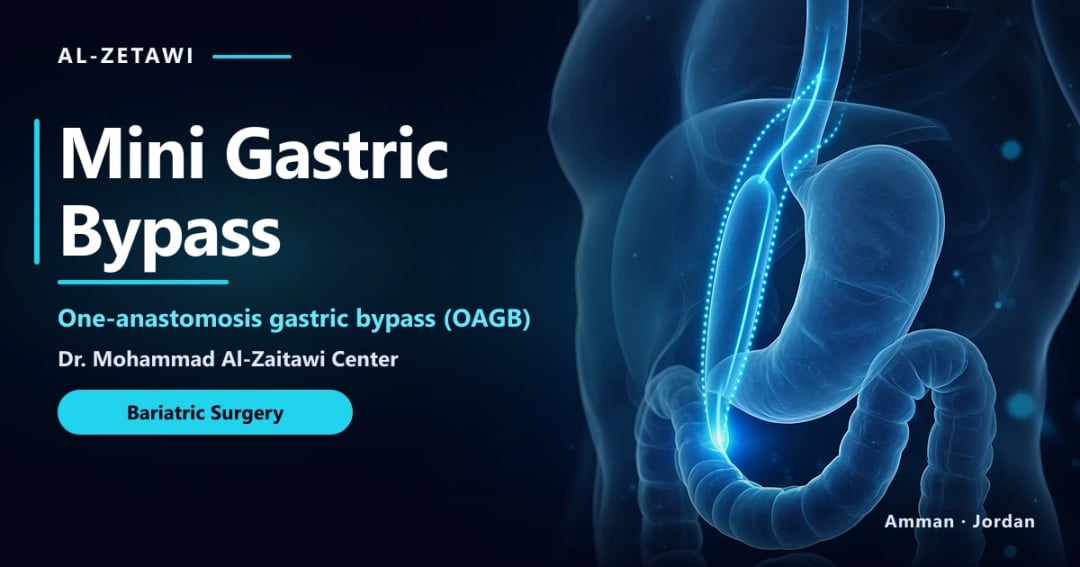
The mini gastric bypass reduces stomach capacity and redirects part of the digestive tract, limiting food intake and changing how nutrients are absorbed. Patients feel full earlier, which makes portion control easier, while the new pathway triggers hormonal and metabolic changes that support significant, lasting weight loss and better control of conditions such as type 2 diabetes.
The operation is usually performed laparoscopically through a few small incisions, which means less tissue trauma, less pain and a quicker recovery. In selected cases it can also be performed with robotic surgery, which adds magnified 3D vision and highly precise instrument control. Both approaches give patients a safe, effective route to their health goals when performed by an experienced bariatric team.
Compared with a standard Roux-en-Y gastric bypass, the mini version creates a single connection between the stomach pouch and the small intestine instead of two. This simpler configuration often shortens operative time, can mean fewer early complications for some patients and allows a faster return to daily life. When the patient is carefully selected, the combination of restriction and reduced absorption drives meaningful weight loss and improves related health markers over time. To understand the classic operation, see our guide to gastric bypass surgery in Jordan.
During your consultation you will review how the procedure works in practical terms: which foods to prioritize, how meal sizes change, and what to expect in energy, mood and daily activity after surgery. The discussion also covers potential risks, the likelihood of sustained weight loss and the role of lifestyle changes in maintaining results, so that you can decide whether the mini gastric bypass truly matches your health goals.
Why Jordan is a focal point for bariatric care
Jordan has a skilled community of bariatric surgeons and accredited private hospitals in Amman, many with dedicated programs for surgical weight loss. The country has built a reputation for careful clinical practice and cost-effectiveness, making it a practical choice for patients from the Gulf, Iraq, Europe and North America. A well-established network of specialists supports patients from initial screening through long-term follow-up, which is essential for durable results.
In Amman, comprehensive bariatric programs guide you from preoperative evaluation to ongoing aftercare, combining modern laparoscopic and robotic techniques with a multidisciplinary team covering nutrition, psychology and rehabilitation. At the Dr. Mohammad Al-Zaitawi Bariatric, Laparoscopic & Advanced Robotic Surgery Center, Dr. Mohammad Al-Zaitawi leads your care. He holds the Jordanian Board in General Surgery and a subspecialty in bariatric surgery, is a Fellow of the American College of Surgeons and the International College of Surgeons, trained in laparoscopic and bariatric surgery in Strasbourg, France, and has more than 15 years of experience in bariatric surgery, including a large volume of mini gastric bypass procedures. He has also worked with robotic surgery since 2017 on the da Vinci system in Washington, USA, and on the Toumai robotic system by MedBot.
What is a Mini Gastric Bypass
Definition and key differences from standard gastric bypass
A mini gastric bypass, also called one anastomosis gastric bypass (OAGB) or MGB-OAGB, is a weight loss operation that creates a long, narrow stomach pouch and connects it to a loop of small intestine roughly 150 to 200 centimeters downstream. It combines a restrictive element, the smaller pouch, with a malabsorptive and metabolic element, the bypassed intestine.
The procedure was first described by Dr. Robert Rutledge in 1997 and has since been studied in tens of thousands of patients. It is now recognized by the International Federation for the Surgery of Obesity and Metabolic Disorders (IFSO) and the American Society for Metabolic and Bariatric Surgery (ASMBS) as an established bariatric operation, and it is one of the most frequently performed procedures in Europe, the Middle East and Asia.
Compared with the classic Roux-en-Y gastric bypass, the mini version uses a single connection between the stomach and the intestine. This shortens operative time and simplifies the bypass route while delivering similar, and in some studies greater, weight loss and diabetes improvement for appropriately selected patients. Understanding the mini gastric bypass versus classic gastric bypass comparison is important, and your surgeon will explain which technique offers the best outcome for your specific health profile.
| Feature | Mini gastric bypass (OAGB) | Classic Roux-en-Y gastric bypass |
|---|---|---|
| Number of intestinal connections | One | Two |
| Stomach pouch | Long, narrow tube | Small, rounded pouch |
| Typical operative time | Shorter | Longer |
| Weight loss | Excellent, similar or slightly greater | Excellent |
| Type 2 diabetes improvement | Very strong | Strong |
| Main specific concern | Bile reflux, nutritional monitoring | Internal hernia, marginal ulcer |
| Reversibility and revision | Technically simpler to revise or reverse | More complex |
How the procedure works step by step
- Creating the pouch. The surgeon divides the stomach with staplers to create a long, narrow pouch from the upper part of the stomach along the lesser curvature, dramatically reducing its capacity. The pouch acts as the first stop for food, helping you feel full sooner and control portions over time.
- Measuring the bypass. The small intestine is measured carefully from its starting point. The length of the bypassed segment, usually 150 to 200 centimeters, is tailored to your weight, eating pattern and nutritional risk.
- Forming the single connection. A loop of small intestine is brought up and joined to the end of the pouch, creating a direct path for food to reach the mid small intestine. By bypassing the upper small intestine, the body absorbs fewer calories from what you eat.
- Leaving the remnant stomach in place. The rest of the stomach remains inside the body, continues to produce digestive juices and is not removed. There is no separate limb to reconnect, which reduces the number of connections and the immediate surgical risk.
- Checking the work. The staple lines and the connection are inspected and tested for leaks. The surgical team confirms a tension-free attachment and a correct route of the intestine to avoid twisting or leakage.
- Closing. The small incisions are closed, often with absorbable sutures, and you are moved to the recovery area.
Because digestion now begins further along the small intestine, part of calorie and nutrient absorption is bypassed. This also means that certain nutrients, especially iron, vitamin B12, calcium, vitamin D and protein, need closer monitoring and lifelong supplementation after the procedure.
How mini gastric bypass causes weight loss
Weight loss after a mini gastric bypass is not only about eating less. The operation changes the hormones that control hunger and fullness, including GLP-1 and PYY, which rise after meals and signal satiety to the brain. Blood sugar control often improves within days, long before significant weight is lost, which is why the procedure is considered a metabolic operation as well as a weight loss operation.
The banded mini gastric bypass variation
Some surgeons place a small silicone ring around the upper pouch, a technique known as the banded mini gastric bypass. The ring, sold under names such as the MiniMIZER Ring, aims to limit pouch stretching over the years and support long-term restriction. Evidence suggests it may reduce weight regain in some patients, but it can also increase the risk of food intolerance and vomiting, and it adds a foreign device. Whether a ring is appropriate is an individual decision discussed during your consultation, and most patients achieve excellent results with the standard technique.
Candidates and Ideal Outcomes
Who is a good candidate in Jordan
According to the 2022 ASMBS and IFSO guidelines, metabolic and bariatric surgery is recommended for adults with a body mass index (BMI) of 35 or higher, regardless of related conditions, and should be considered for adults with a BMI of 30 to 34.9 who have metabolic disease such as type 2 diabetes. For people of Asian descent, lower thresholds apply. Individual assessment, however, matters more than numbers alone, and a holistic view of your health determines eligibility.
The mini gastric bypass is particularly suited to patients with type 2 diabetes, a high BMI, a strong preference for sweets or frequent snacking, and those who have regained weight after a previous operation such as a sleeve gastrectomy. In Jordan, many candidates also have related conditions such as hypertension, fatty liver or sleep apnea that improve markedly with weight loss. A comprehensive evaluation by the bariatric team confirms whether the mini gastric bypass is the right choice for you.
- Adults with a BMI of 35 or more, or 30 to 34.9 with type 2 diabetes or other metabolic disease
- Previous attempts at diet, exercise or medication without lasting results
- Motivation to adopt long-term lifestyle changes
- Medical clearance for surgery with no prohibitive health risks
- No active substance misuse or untreated psychiatric conditions that would impair follow-up
- Commitment to regular nutritional counseling, supplements and postoperative monitoring
Who may not be suited to mini gastric bypass
- Patients with severe gastroesophageal reflux disease or Barrett's esophagus, who are usually better served by a classic Roux-en-Y gastric bypass
- Patients who cannot commit to lifelong vitamin supplements and blood tests
- Patients with inflammatory bowel disease or significant small bowel disease
- Heavy smokers or patients who regularly use anti-inflammatory painkillers, because of the risk of ulcers
- Patients with uncontrolled eating disorders or untreated psychiatric illness
Beyond the checklist, consider how you will handle the practical realities of the journey. The preoperative phase includes education on nutrition, changes in meal timing and planning for physical activity. When Dr. Mohammad Al-Zaitawi and the team at the center assess a patient, they look not only at current weight but at readiness to engage with a structured, long-term program, so that the chosen procedure aligns with personal goals, daily routines and support networks.
As you prepare, expect a candid discussion about potential risks and complications specific to the mini gastric bypass, the surgical steps and the follow-up care required. Diabetes and reflux are key factors when choosing between the mini and the classic gastric bypass, and both influence your long-term vitamin needs. You should feel empowered to ask about nutrition plans, exercise guidelines and how the care team will manage any early concerns while keeping your vitamin levels in a healthy range.
In practice, a good candidate views the operation as a powerful tool rather than a standalone fix. You must be ready to adjust eating habits, include regular activity and follow medical advice long after the procedure. The team tailors the plan to your medical history, cultural preferences and the resources available to you, whether you live in Jordan or abroad.
Expected weight loss and health improvements
Weight loss outcomes depend on starting weight, adherence to diet and physical activity. Most patients lose 70 to 80 percent of their excess weight within 12 to 18 months, which often equals 30 to 35 percent of total body weight. Large studies report that most of this weight loss is maintained at five years and beyond when patients keep up healthy habits and follow-up.
The procedure reduces calorie intake and absorption and changes gut hormones, supporting sustained weight loss when paired with ongoing lifestyle changes. Remission or major improvement of type 2 diabetes is reported in roughly 70 to 85 percent of patients, and blood pressure, cholesterol, fatty liver, joint pain and sleep apnea typically improve as well.
| Aspect | What patients in Jordan can expect |
|---|---|
| Weight loss trajectory | Rapid loss in the first 3 to 6 months, followed by a slower, steady pace up to 12 to 18 months |
| Excess weight loss | Typically 70 to 80 percent of excess weight at 12 to 18 months |
| Type 2 diabetes | Remission or major improvement in about 70 to 85 percent of patients |
| Other conditions | Improvement in blood pressure, cholesterol, fatty liver and sleep apnea |
| Quality of life | Better mobility, energy, confidence and daily functioning as weight falls |
Mini Gastric Bypass vs Other Procedures
Choosing the right operation is one of the most important decisions in your journey. The mini gastric bypass is an excellent option for many patients, but it is not the best choice for everyone. Dr. Mohammad Al-Zaitawi compares the main options with each patient, based on BMI, diabetes, reflux, eating habits and previous surgery.
| Factor | Mini gastric bypass | Sleeve gastrectomy | Roux-en-Y gastric bypass | SASI |
|---|---|---|---|---|
| Mechanism | Restriction + bypass | Restriction | Restriction + bypass | Restriction + partial bypass |
| Weight loss | Very high | High | Very high | Very high |
| Type 2 diabetes | Very strong effect | Good effect | Strong effect | Very strong effect |
| Reflux | Bile reflux possible | May worsen reflux | Best option for reflux | Generally favorable |
| Nutritional risk | Moderate, needs supplements | Low | Moderate | Low to moderate |
| Operative complexity | Moderate | Lower | Higher | Moderate |
Patients with severe reflux are usually guided toward the classic Roux-en-Y gastric bypass. Patients with a lower BMI and no diabetes may do very well with a sleeve. Those who want strong metabolic effects with a lower nutritional risk may consider SASI surgery. For patients who have regained weight after a previous operation, the mini gastric bypass is a common and effective revision option.
Preparation and Preoperative Assessment
Medical evaluations and tests required
Before surgery in Jordan, you can expect a thorough preoperative assessment to confirm that you are a suitable candidate for a mini gastric bypass. The aim is to minimize risk and tailor the surgical plan to your individual needs. Each test helps the team anticipate challenges and adjust the strategy accordingly, ensuring a smooth surgical experience.
Typical assessments look at cardiovascular health, metabolic status and overall fitness for anesthesia. They show how your heart and lungs will handle the procedure, while your medical history identifies conditions that could affect the operation or recovery, guiding risk reduction and scheduling.
- Laboratory tests: complete blood count, kidney and liver function, electrolytes, clotting profile, thyroid function, and baseline iron, vitamin B12, vitamin D and folate levels. These establish baseline organ function and flag issues that may need treatment before surgery.
- Diabetes review: HbA1c and a review of diabetes medication where relevant. Controlling blood sugar around surgery reduces infection risk and supports healing.
- Electrocardiogram (ECG): to assess heart rhythm, with an echocardiogram or cardiology review when needed, to guide anesthesia planning.
- Upper endoscopy: strongly recommended before a mini gastric bypass to inspect the esophagus and stomach, detect reflux, hiatal hernia, ulcers or Helicobacter pylori, and examine the stomach that will no longer be easily reachable after surgery.
- Abdominal ultrasound: to check for gallstones and fatty liver.
- Sleep and lung assessment: screening for sleep apnea in patients with snoring or daytime sleepiness.
- Nutrition and weight history review: to understand previous attempts at weight loss and current eating habits, which informs postoperative education and long-term planning.
Lifestyle and dietary adjustments before surgery
Preparing your body for surgery goes beyond medical tests. A guided plan improves outcomes and reduces complication risk by addressing the habits and environment that affect healing.
- Preoperative liver-reducing diet: a structured low-calorie, high-protein diet for one to three weeks shrinks a fatty liver, giving the surgeon better access to the stomach and shortening operative time.
- Medication review: blood thinners, anti-inflammatory drugs and some diabetes medicines may need temporary adjustment under medical supervision. Your doctor will explain which drugs to pause and when to restart them.
- Smoking and alcohol: stop smoking at least four to six weeks before surgery and avoid alcohol. Smoking greatly increases the risk of ulcers at the new connection after a mini gastric bypass.
- Activity goals: small, achievable targets such as daily walking build strength and endurance and support a smoother recovery.
- Education: learning about postoperative nutrition, activity and follow-up before surgery helps you stay engaged and on track afterward.
International patients can complete much of this preparation at home. Send your recent blood tests, medical reports and weight history in advance so that Dr. Mohammad Al-Zaitawi can review your file, request any missing tests and confirm your plan before you travel. Request a free consultation to start.
The Surgical Experience in Amman
What happens on the day of surgery
On the day of surgery you arrive at an accredited private hospital in Amman after fasting from the previous night. A preoperative briefing confirms your identity, procedure and consent. You change into a gown and are connected to monitoring devices while the final checks are completed.
An intravenous line is placed for fluids and medications, and measures to prevent blood clots, such as compression stockings and blood-thinning injections, are started. A final surgical safety pause reviews your plan with the whole team, confirms fasting status and addresses any last-minute questions.
Anesthesia
General anesthesia keeps you comfortable and asleep during the operation. A consultant anesthesiologist continuously monitors your vital signs, airway and depth of anesthesia, with a plan that accounts for your health history, sleep apnea and any previous reactions to anesthesia.
The operation
The surgeon uses precise laparoscopic or robotic techniques to create the stomach pouch and the single intestinal connection, minimizing tissue trauma while achieving a reliable, long-lasting reconstruction. The operation usually takes about one to two hours. You will feel no pain during surgery, and the team remains ready to adapt as needed.
Dr. Mohammad Al-Zaitawi performs the mini gastric bypass laparoscopically and, in selected cases, robotically. His robotic experience since 2017, on the da Vinci system in Washington, USA, and on the Toumai robotic system by MedBot, adds precision in complex anatomy, in patients with a very high BMI and in revision cases.
Hospital stay
Most patients stay in hospital for one to two nights after a mini gastric bypass. The recovery period focuses on pain control, breathing exercises and early walking, often within a few hours of surgery. The exact length of stay depends on your progress.
You start with small sips of water and clear fluids, usually on the day of surgery or the next morning, once the team confirms that you are tolerating them well. Nurses monitor hydration, wound sites and activity, and guided walking supports circulation and reduces the risk of complications.
Safety protocols
Safety protocols emphasize infection prevention, sterile instruments and clear postoperative instructions. Hospitals in Amman follow standardized checklists for anesthesia, operative time and blood loss, and many apply Enhanced Recovery After Surgery (ERAS) principles to speed recovery and reduce complications.
Postoperative monitoring includes observation for nausea, pain, fever, rapid heart rate and other warning signs. Before discharge you receive a written plan for pain control, wound care and diet, together with a list of warning signs and a direct contact number. Follow-up appointments are scheduled to track recovery and adjust care as needed.
| Aspect | What to expect in Amman |
|---|---|
| Day-of-surgery workflow | Admission, preoperative checks, anesthesia, the operation, recovery in a dedicated unit |
| Operative time | Usually about 1 to 2 hours |
| Hospital stay | Usually 1 to 2 nights |
| Postoperative milestones | Stable vital signs, controlled pain, early walking, tolerance of fluids |
| Safety measures | Standardized anesthesia protocols, clot prevention, infection control, clear discharge criteria |
Risks and Complications
Like any major operation, a mini gastric bypass carries risks. In experienced hands, serious complications are uncommon, but understanding them helps you recognize warning signs early and make an informed decision.
Early risks
- Leak from a staple line or the connection, uncommon but serious, usually presenting with fever, rapid heart rate or abdominal pain in the first days
- Bleeding from staple lines, usually managed without further surgery
- Blood clots in the legs or lungs, reduced by early walking and blood-thinning injections
- Wound infection and general anesthesia risks
Risks specific to mini gastric bypass
- Bile reflux: because bile passes near the pouch, a small proportion of patients develop bile reflux with heartburn or bitter regurgitation. Most respond to medication, and persistent cases can be corrected by converting to a Roux-en-Y configuration.
- Marginal ulcer: an ulcer at the connection between the pouch and the intestine. The risk rises with smoking and anti-inflammatory painkillers, so avoiding them and taking prescribed stomach protection is essential.
- Nutritional deficiencies: iron deficiency anemia, low vitamin B12, low vitamin D and calcium, and less commonly protein malnutrition. These are prevented with lifelong supplements and regular blood tests, and the bypass length is tailored to reduce this risk.
- Dumping syndrome: sweating, palpitations or diarrhea after sugary foods, which usually settles with dietary changes.
Long-term considerations
- Gallstones during rapid weight loss, sometimes prevented with medication
- Weight regain if eating habits and activity are not maintained
- Loose skin after major weight loss, which some patients address with body contouring surgery
Contact the team immediately if you experience persistent vomiting, worsening abdominal pain, fever, a fast heartbeat, black stools or difficulty breathing. With careful patient selection, meticulous technique and close follow-up, Dr. Mohammad Al-Zaitawi aims to keep these risks as low as possible.
Postoperative Care and Long-Term Management
Diet progression and vitamin supplementation
After a mini gastric bypass, you follow a guided diet that protects the new connection, supports healing and promotes steady weight loss. Your plan adapts to your pace, with clear milestones.
- Phase one, weeks 1 to 2: clear fluids and then protein shakes and smooth liquids, sipped slowly throughout the day to prevent dehydration and let the digestive system adjust.
- Phase two, weeks 3 to 4: pureed and then soft foods in small portions, prioritizing protein at every meal to protect muscle and stabilize appetite.
- Phase three, from week 5: gradual return to balanced, regular-texture meals, avoiding tough meats, sugary foods and drinks, and very fatty foods to support long-term success.
Vitamin and mineral supplementation is essential for life after a mini gastric bypass. Your program provides a personalized regimen based on how your digestion responds to the new anatomy, helping you avoid deficiencies that can affect energy, hair, bones and overall health.
- A daily bariatric multivitamin with minerals
- Calcium citrate with vitamin D, taken separately from iron
- Iron, particularly for women of childbearing age, adjusted to blood tests
- Vitamin B12 as tablets, sublingual drops or injections
- Protein targets of about 60 to 80 grams a day, or more as advised
- Hydration of about 1.5 to 2 liters a day, sipped between meals rather than with them
Regular blood tests guide adjustments to your supplements as you heal and lose weight, and your team will advise on sipping strategies and the timing of fluids around meals for comfort and results.
Follow-up schedule and lifestyle support in Jordan
Structured follow-up is a core part of long-term success. Your care team in Amman will outline a schedule and the support available, so that issues are caught early and you stay aligned with your goals.
- A first postoperative review within one to two weeks, then at 1, 3, 6, 9 and 12 months, and once or twice a year afterward
- Monitoring of weight trends, nutrient levels and any surgical concerns, with adjustments to portions, meal timing and activity
- Access to dietitians, activity guidance and behavioral support, with practical tips for shopping, meal planning and staying motivated
- Remote follow-up by video call and WhatsApp for international patients, with blood tests performed at home and reviewed by the team
With the right team you can navigate challenges and maintain progress. The Dr. Mohammad Al-Zaitawi Bariatric, Laparoscopic & Advanced Robotic Surgery Center coordinates follow-up for local and international patients and remains a trusted point of contact for medical questions, related conditions and long-term support.
| Aspect | Jordan-specific considerations |
|---|---|
| Dietary phases | Clear liquids, then pureed and soft proteins, then balanced meals with portion control |
| Supplement strategy | Lifelong, personalized vitamin and mineral plan based on blood tests |
| Follow-up cadence | Early postoperative checks, then regular visits through the first year and annually afterward |
| International patients | Remote follow-up with local blood tests reviewed by the team |
Costs, Packages, and International Patients
Understanding typical packages and inclusions
In Amman and across Jordan, the cost of a mini gastric bypass depends on the hospital, the surgical approach, your health profile and the length of stay, although core elements are similar across centers. International patient packages are designed to offer transparent pricing so that you understand the full cost in advance. The cost is usually a fraction of the price in the USA, the UK or Western Europe, without compromising on surgical quality.
Preoperative work-up goes beyond a single blood test. It typically includes targeted laboratory tests, imaging as needed, an anesthesia assessment and baseline medical reviews that map risk factors before you enter the operating room, so that issues are caught early and the plan is tailored to you.
The operative fee covers more than the surgeon's time. It includes the anesthesia team, nursing care, surgical equipment such as staplers, and hospital charges for the day of surgery. Understanding what is included helps you compare packages fairly and avoid surprises if additional services are needed.
The hospital stay is aligned with standard recovery milestones, usually one to two nights, but can be adjusted depending on how you respond to surgery. Postoperative care includes an initial diet plan, starter vitamins and follow-up visits within one to two weeks of discharge, together with nutrition guidance, activity planning and patient coordination.
| Typically included | Ask about |
|---|---|
| Preoperative tests and consultations | Which tests are included and which may be added |
| Surgeon, anesthesia and hospital fees | Laparoscopic or robotic approach and room type |
| Hospital stay of 1 to 2 nights | Coverage if a longer stay is needed |
| Initial diet plan and starter vitamins | Duration of supplements provided |
| Follow-up visits | Number of visits and remote follow-up after you return home |
At the Dr. Mohammad Al-Zaitawi Bariatric, Laparoscopic & Advanced Robotic Surgery Center, packages are designed to streamline care from first contact through recovery. Every quote follows a review of your medical file, so you know exactly what is covered at each stage and how to reach the team after you return home.
International patient considerations and support services
For patients traveling from abroad, Jordan offers well-organized pathways for bariatric surgery. A dedicated patient coordinator helps with logistics such as travel dates, airport transfers, accommodation, language needs and scheduling. Learn more on our international patients page.
A typical journey looks like this: a patient sends their reports and has a video consultation that confirms suitability. The coordinator schedules the preoperative tests, arranges airport pickup and recommends a hotel near the clinic. In Amman, the team completes the assessment, performs the surgery and provides a clear postoperative plan before departure, with remote follow-up arranged for the following weeks and months.
- An initial consultation pathway, including video consultation, to assess suitability before travel
- Travel and accommodation guidance near the clinic in Shmeisani, Amman, close to major private hospitals
- Preoperative guidance, including diet and medication adjustments, aligned with your travel dates
- A postoperative follow-up plan with return visits or video check-ins to ensure continuity of care
- Clear information on payment, with transparency on what international patients can expect
Most international patients stay in Jordan for about 7 to 10 days before being cleared to fly home. Before booking, verify hospital accreditation, the surgeon's credentials and experience, and the availability of aftercare, and make sure communication channels for postoperative support are clear.
| Aspect | Typical international considerations |
|---|---|
| Package inclusions | Preoperative tests, surgery, short hospital stay, initial postoperative plan, follow-up visits |
| Coordination support | Patient coordinator, language support, travel and accommodation guidance |
| Recommended stay in Jordan | About 7 to 10 days |
| Follow-up model | In-person visits or video follow-ups in the weeks and months after surgery |
FAQ
What is a mini gastric bypass?
Is mini gastric bypass better than the classic gastric bypass?
How much weight will I lose after a mini gastric bypass?
Who is a good candidate for mini gastric bypass?
What is the typical treatment timeline in Amman?
How much does mini gastric bypass cost in Jordan?
What is a banded mini gastric bypass?
What are the main risks of mini gastric bypass?
Will I need vitamins for life?
Can mini gastric bypass be done robotically?
Can mini gastric bypass be reversed or revised?
Is mini gastric bypass suitable after a failed sleeve?
How long should international patients stay in Jordan?
What long-term follow-up should I plan for?
How experienced is Dr. Mohammad Al-Zaitawi with mini gastric bypass?
Conclusion
The mini gastric bypass is a proven, efficient operation for meaningful weight loss and powerful improvement of type 2 diabetes, especially when paired with sustained lifestyle changes. Its single connection makes it simpler and shorter than the classic bypass, while the combination of restriction and metabolic change delivers excellent long-term results for carefully selected patients.
In Amman, Dr. Mohammad Al-Zaitawi brings more than 15 years of bariatric surgery experience, international training in the USA and France, and advanced laparoscopic and robotic expertise. His team prioritizes careful patient selection, meticulous technique and comprehensive support before and after surgery to promote safety and durable outcomes.
- Comprehensive preoperative evaluation ensures readiness and tailors the plan to your health profile
- Structured follow-up supports long-term success with guidance on diet, vitamins and activity
- Transparent discussion of costs, inclusions and aftercare helps you plan with confidence
- Dedicated coordination makes the journey simple for international patients
If you are considering bariatric surgery in Amman or exploring medical travel to Jordan, you will find a clear, patient-centered pathway from your first assessment to lasting results. Book your consultation with Dr. Mohammad Al-Zaitawi or learn more about the doctor.
Medical note: This guide is for education and reflects international guidelines and published evidence. It does not replace individual medical advice. Decisions about bariatric surgery should be made with your surgeon after a full assessment.
Medical note from Dr. Mohammad Al-Zaitawi
The mini gastric bypass is one of the most powerful operations we have for weight loss and type 2 diabetes, but it must be offered to the right patient. Before recommending it, I always assess reflux, eating habits and the patient's ability to commit to lifelong vitamins and follow-up.
What international patients say
Selected patient feedback connected to this procedure.
International Patient
The coordination before travel and the follow-up after surgery were clear and professional.
Related articles and success stories
Helpful links for patients comparing treatment options and planning their journey.
Scientific references and guidance
These sources support the medical information on this page. If you want this guidance applied to your own case, send us your details for an initial review.
Reviewed by Dr. Mohammad Al-Zaitawi
Prefer a quicker route? Try the free case review or see bariatric surgery costs in Jordan.