
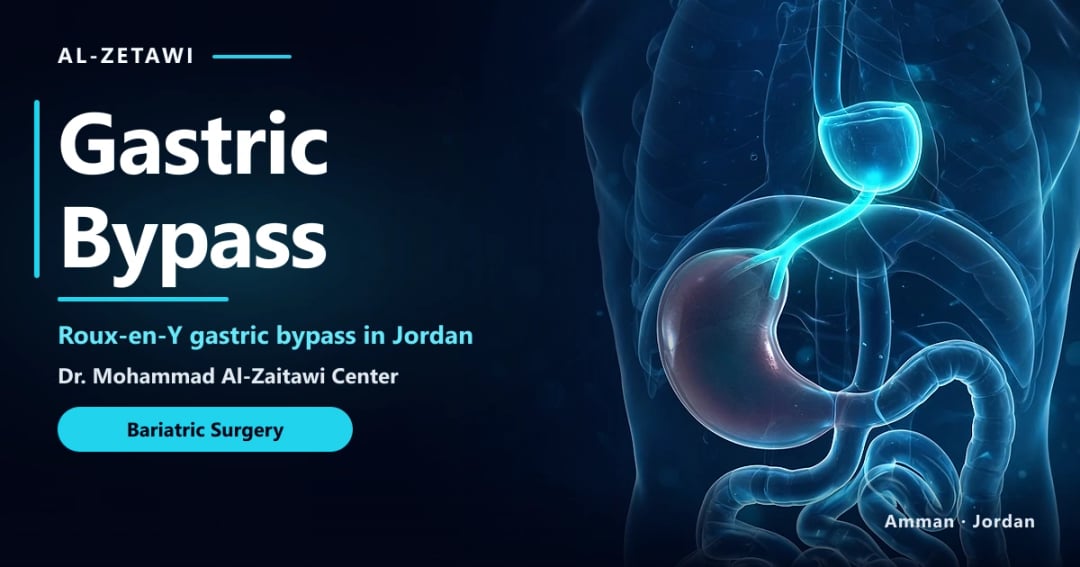
What Is Gastric Bypass Surgery?
Gastric bypass, known medically as Roux-en-Y gastric bypass (RYGB), is one of the most established operations in bariatric and metabolic surgery. The surgeon creates a small stomach pouch, about the size of an egg, and connects it directly to a loop of small intestine. Food then bypasses most of the stomach, the duodenum and the first part of the small intestine. The rest of the stomach is not removed; it stays in place, continues to produce digestive juices and drains them into the intestine further down.
The operation was first described in the 1960s and was refined into its modern Roux-en-Y form over the following decades. The first laparoscopic gastric bypass was reported in 1994, and today almost all gastric bypass operations are performed through small keyhole incisions. For many years, RYGB was regarded as the gold standard of weight loss surgery, and it remains the reference against which newer procedures are compared.
Why it is called Roux-en-Y
The name comes from the Swiss surgeon César Roux and from the Y shape formed by the intestine after the operation. One arm of the Y carries food from the new pouch (the Roux or alimentary limb), the other arm carries bile and pancreatic juice from the bypassed stomach and duodenum (the biliopancreatic limb), and the two join at the base of the Y, where digestion continues in the common channel.
More than a restrictive operation
Gastric bypass is often described as a combination of restriction and malabsorption, but that description is incomplete. The small pouch does limit portion size, and bypassing the upper intestine modestly reduces absorption of some nutrients. The most important effects, however, are hormonal. Food arrives quickly in the lower small intestine, which releases hormones such as GLP-1 and PYY that increase fullness and improve insulin secretion, while levels of the hunger hormone ghrelin change. Bile acid metabolism and the gut microbiome also shift. These changes explain why many patients feel less hungry and why type 2 diabetes often improves within days of surgery, before significant weight has been lost.
What this guide covers
This guide explains how gastric bypass works, who it is suitable for, how it compares with sleeve gastrectomy and other operations, what results to expect, how to prepare, the risks and how they are reduced, and the lifelong nutrition plan that keeps patients healthy. It draws on the 2022 ASMBS and IFSO guidelines on indications for metabolic and bariatric surgery, the AACE/TOS/ASMBS clinical practice guidelines on perioperative nutrition and metabolic support, large randomised trials such as STAMPEDE, SM-BOSS and SLEEVEPASS, and long-term cohort studies, and is written by the team at Dr. Mohammad Al-Zaitawi's center in Amman.
How Gastric Bypass Works: Anatomy and Hormones
Understanding the new anatomy helps patients understand the diet rules, the vitamins and the symptoms to watch for after surgery.
| Part of the new anatomy | Typical size or length | What it does |
|---|---|---|
| Gastric pouch | About 15 to 30 mL | Receives food and limits portion size; produces very little acid |
| Gastrojejunal anastomosis | Usually about 1 to 1.5 cm wide | Connection between the pouch and the small intestine that controls how fast food leaves the pouch |
| Roux (alimentary) limb | Commonly about 100 to 150 cm | Carries food from the pouch without bile or pancreatic juice |
| Biliopancreatic limb | Commonly about 50 to 100 cm | Carries bile, pancreatic juice and stomach secretions from the bypassed stomach and duodenum |
| Common channel | The remaining small intestine, often several metres | Where food mixes with digestive juices and most absorption of calories and protein occurs |
| Bypassed (remnant) stomach | The majority of the original stomach | Stays in place, keeps producing secretions and hormones, but no longer receives food |
Restriction
The pouch holds only a small volume in the first months, so meals become small and must be eaten slowly. Over time, the pouch and the connection adapt and allow somewhat larger, normal-sized healthy meals, which is why long-term eating habits remain important.
Hormonal and metabolic effects
- GLP-1 and PYY: rapid delivery of nutrients to the lower intestine increases these satiety hormones, reducing appetite and improving insulin release after meals.
- Ghrelin: the hunger hormone produced mostly by the stomach changes after surgery, contributing to reduced hunger in many patients.
- Bile acids: altered bile flow increases circulating bile acids, which act on receptors that influence glucose control and energy expenditure.
- Microbiome: the bacterial population of the gut changes in ways associated with improved metabolism.
- Food preferences: many patients report a reduced desire for very sweet and very fatty foods, partly because these foods can trigger dumping symptoms.
Modest malabsorption
In a standard gastric bypass, most calories and protein are still absorbed in the long common channel. What changes significantly is the absorption of specific micronutrients that depend on the stomach and duodenum: iron, calcium, vitamin B12, folate and vitamin D. This is why lifelong supplements and blood tests are an essential part of gastric bypass, not an optional extra.
Who Is a Candidate for Gastric Bypass?
In 2022, the American Society for Metabolic and Bariatric Surgery (ASMBS) and the International Federation for the Surgery of Obesity and Metabolic Disorders (IFSO) published updated joint guidelines that replaced the indications used since 1991. They are now the main international reference for deciding who should be offered metabolic and bariatric surgery.
| Situation | 2022 ASMBS/IFSO recommendation |
|---|---|
| BMI of 35 kg/m² or more | Metabolic and bariatric surgery is recommended, regardless of the presence or severity of obesity-related disease |
| BMI of 30 to 34.9 kg/m² with metabolic disease | Surgery should be considered, particularly with type 2 diabetes that is not adequately controlled |
| BMI of 30 to 34.9 kg/m² without lasting response to non-surgical treatment | Surgery should be considered |
| Asian populations | Lower thresholds apply: clinical obesity is recognised from a BMI of 25 kg/m², and surgery should be considered from a BMI of 27.5 kg/m² |
| Adolescents | Surgery can be considered for selected adolescents with a BMI above 120 percent of the 95th percentile and a major comorbidity, or above 140 percent of the 95th percentile, in experienced multidisciplinary programmes |
| Older adults | There is no strict upper age limit; the decision depends on frailty, overall health and expected benefit |
When gastric bypass is often the preferred operation
Once surgery is indicated, the choice of operation is individual. Gastric bypass is frequently preferred in the following situations:
- Gastro-oesophageal reflux disease (GERD): moderate or severe reflux, erosive oesophagitis or a large hiatal hernia, because bypass is very effective at controlling reflux, whereas sleeve gastrectomy can worsen it.
- Barrett's oesophagus: bypass diverts acid and bile away from the oesophagus and is generally favoured when Barrett's changes are present.
- Type 2 diabetes: especially longer-standing or insulin-treated diabetes, where bypass tends to give slightly higher remission rates than sleeve gastrectomy.
- Revision after sleeve gastrectomy: for reflux or weight regain after a sleeve, conversion to bypass is one of the most common revisional operations.
- High BMI with significant metabolic disease: when greater metabolic effect is desired.
Who may not be a good candidate
- People who cannot commit to lifelong vitamin supplements and regular blood tests
- Patients with untreated severe psychiatric illness, active substance or alcohol misuse, or an untreated eating disorder, until treated
- Patients with Crohn's disease affecting the small intestine, in whom intestinal bypass is usually avoided
- Patients who need regular endoscopic access to the duodenum and bile ducts, for example with certain bile duct diseases, because the bypassed stomach and duodenum become difficult to reach
- People who require long-term anti-inflammatory medicines (NSAIDs) or high-dose steroids, which greatly increase the risk of ulcers at the connection
- Active smokers, until they have stopped smoking
Gastric Bypass vs Sleeve Gastrectomy and Other Operations
The most common question patients ask is whether they should have a gastric bypass or a sleeve gastrectomy. Several randomised trials have compared the two operations directly.
What the randomised trials show
- SM-BOSS (Switzerland): at five years, excess weight loss was 68 percent after bypass and 61 percent after sleeve; the difference was not statistically significant. Reflux improved more often after bypass and worsened more often after sleeve.
- SLEEVEPASS (Finland): at five years, excess weight loss was 57 percent after bypass and 49 percent after sleeve. At ten years, weight loss remained slightly greater after bypass, and reflux symptoms and oesophagitis were more common after sleeve.
- STAMPEDE (United States): in patients with type 2 diabetes, 29 percent of bypass patients and 23 percent of sleeve patients reached an HbA1c of 6 percent or lower without needing increased medication at five years, compared with 5 percent in the intensive medical therapy group.
Taken together, the evidence shows that both operations are effective and safe. Gastric bypass tends to produce slightly greater long-term weight loss, better reflux control and somewhat higher diabetes remission, while sleeve gastrectomy is technically simpler, avoids intestinal rerouting and carries a lower risk of micronutrient deficiencies, ulcers at the connection and internal hernia.
| Feature | Sleeve gastrectomy | Roux-en-Y gastric bypass | One-anastomosis (mini) gastric bypass | SASI bypass |
|---|---|---|---|---|
| Main principle | About 75 to 80 percent of the stomach removed | Small pouch plus Roux-en-Y intestinal bypass | Long pouch plus a single loop connection to the intestine | Sleeve plus a single connection to the lower intestine, keeping the normal food path open |
| Stomach removed | Yes | No (bypassed) | No (bypassed) | Yes (sleeve) |
| Effect on reflux | May worsen or cause reflux | Usually improves reflux | Risk of bile reflux in some patients | Sleeve-related reflux remains possible |
| Weight loss | Good | Good to very good | Very good | Very good in early studies |
| Micronutrient risk | Lower | Moderate; lifelong supplements | Moderate to higher | Moderate; lifelong monitoring |
| Endoscopic access to duodenum | Normal | Difficult | Difficult | Preserved |
| Evidence base | Very large, long term | Very large, long term | Large and growing | Limited, mostly short to medium term |
You can read more in our guides to sleeve gastrectomy, mini gastric bypass and SASI surgery. The final choice is made after reviewing your BMI, reflux, diabetes, endoscopy findings, medications, eating pattern and personal preferences.
Benefits and Expected Weight Loss Results
Gastric bypass produces substantial and durable weight loss in most patients, together with improvement or resolution of many obesity-related diseases.
Typical weight loss
| Time after surgery | Typical result | Notes |
|---|---|---|
| 3 months | Around 15 to 20 percent of starting weight | Fastest phase; energy levels improve as the body adapts |
| 6 months | Around 20 to 25 percent | Most patients have lost about half of their total expected weight loss |
| 12 to 18 months | Around 30 to 35 percent of starting weight, or roughly 60 to 70 percent of excess weight | Weight usually reaches its lowest point between one and two years |
| 10 years and beyond | Around 25 to 30 percent of starting weight maintained on average | Some weight regain is normal; large regain needs assessment |
These figures are averages from large studies. A Utah cohort study published in the New England Journal of Medicine in 2017 followed patients for 12 years and found that those who had gastric bypass maintained an average weight loss of about 27 percent of their starting weight, far more than similar people who did not have surgery. The Swedish Obese Subjects study showed that bariatric surgery was associated with lower long-term mortality compared with usual care.
Health improvements
| Condition | What usually happens after gastric bypass |
|---|---|
| Type 2 diabetes | Many patients reduce or stop medicines; remission is more likely with shorter diabetes duration, no insulin use and good pancreatic reserve |
| High blood pressure | Improves in most patients and resolves in many, often allowing fewer medicines |
| Reflux disease | Heartburn and regurgitation usually improve markedly |
| Obstructive sleep apnoea | Often improves significantly; CPAP needs are reassessed after weight loss |
| Abnormal cholesterol and triglycerides | Usually improve, especially triglycerides |
| Fatty liver disease (MASLD/MASH) | Liver fat and inflammation frequently improve |
| Joint pain | Pressure on knees, hips and back decreases |
| Polycystic ovary syndrome and fertility | Cycles and fertility often improve; reliable contraception is needed early after surgery |
| Urinary incontinence | Stress incontinence often improves with weight loss |
| Quality of life | Mobility, self-confidence and daily function usually improve |
Factors that influence your results
- Starting BMI and the duration of obesity and diabetes
- Following the diet stages, eating slowly and prioritising protein
- Regular physical activity, including strength training
- Avoiding liquid calories, grazing and frequent sugary snacks
- Sleep, stress, mental health and medicines that affect weight
- Attendance at follow-up appointments and laboratory checks
Gastric Bypass for Type 2 Diabetes and Metabolic Disease
Gastric bypass is one of the most powerful treatments available for type 2 diabetes in people with obesity. This is why bariatric surgery is now commonly called metabolic surgery, and why diabetes organisations include it among treatment options for selected patients.
What the evidence shows
Several randomised trials have compared surgery with the best available medical therapy. In the STAMPEDE trial, patients who had gastric bypass were much more likely to reach target blood sugar levels with fewer medicines than those treated with intensive medical therapy alone, and the benefit persisted at five years. Other trials from Italy and the United States reported similar findings, with some patients remaining in remission for ten years or more.
Who is most likely to achieve remission?
- Shorter duration of diabetes, ideally less than about eight to ten years
- No insulin treatment, or a low insulin dose
- Good residual insulin production, sometimes assessed by C-peptide levels
- Fewer diabetes medicines before surgery
- Substantial and sustained weight loss after surgery
Scoring systems such as DiaRem and ABCD combine these factors to estimate the chance of remission. Even when complete remission is not achieved, most patients see better blood sugar control with fewer medicines and a lower risk of diabetes complications.
Medicine changes after surgery
Blood sugar can fall quickly after gastric bypass. Insulin and sulfonylurea doses usually need to be reduced or stopped immediately after surgery to avoid hypoglycaemia, and other medicines are adjusted according to home glucose readings. For this reason, diabetic patients receive a written medicine plan before discharge and are followed closely in the first weeks.
Long-term vigilance
Diabetes may return in some patients years after remission, particularly with weight regain. Annual HbA1c checks, eye examinations for those with previous retinopathy and kidney monitoring should continue even when blood sugar is normal.
Gastric Bypass for Reflux and Hiatal Hernia
Reflux disease is common in people with obesity. It is one of the main reasons surgeons recommend gastric bypass rather than sleeve gastrectomy.
Why bypass helps reflux
- The small pouch produces very little acid, so there is little acid to reflux.
- Bile and pancreatic juice enter the intestine far downstream, so they cannot reach the oesophagus.
- The pouch empties quickly, reducing pressure on the valve between the oesophagus and stomach.
- Weight loss itself reduces pressure inside the abdomen.
Why sleeve gastrectomy may worsen reflux
A sleeve creates a narrow, higher-pressure stomach tube, and the operation can alter the angle of His and the anti-reflux mechanism. Long-term studies, including SLEEVEPASS, have shown higher rates of reflux symptoms and oesophagitis after sleeve than after bypass. For this reason, patients with significant reflux, erosive oesophagitis or Barrett's oesophagus are usually advised to have gastric bypass.
Repairing a hiatal hernia
If a hiatal hernia is found before or during surgery, it is usually repaired at the same time by bringing the stomach back into the abdomen and narrowing the opening in the diaphragm. Preoperative endoscopy helps detect hiatal hernias, oesophagitis and Barrett's changes so the operation can be planned accordingly.
Conversion from sleeve to bypass for reflux
Patients who develop troublesome reflux after a sleeve gastrectomy often benefit from conversion to Roux-en-Y gastric bypass, which is one of the most effective revisional operations for this problem. Our guide to revision bariatric surgery explains this pathway.
Medical Evaluation Before Gastric Bypass
A thorough evaluation ensures that gastric bypass is the right operation for you and that your body is ready for surgery. The assessment follows the AACE/TOS/ASMBS clinical practice guidelines and is adapted to each patient's health.
| Assessment | Purpose |
|---|---|
| Medical history and examination | Review of weight history, previous diets, medicines, operations and family history |
| Blood tests | Blood count, iron studies, vitamin B12, folate, vitamin D, calcium, kidney and liver function, HbA1c, lipids, thyroid function and coagulation |
| Upper endoscopy | Detects hiatal hernia, oesophagitis, Barrett's oesophagus, ulcers and Helicobacter pylori before the stomach becomes difficult to examine |
| Abdominal ultrasound | Checks for gallstones and fatty liver |
| Heart and lung assessment | ECG, echocardiography or cardiology review when indicated; screening for sleep apnoea |
| Nutrition assessment | Eating habits, protein intake, existing deficiencies and preparation for the diet stages |
| Psychological assessment | Screening for depression, anxiety, binge eating and alcohol use, and readiness for lifestyle change |
| Anaesthetic review | Airway, medicines, previous anaesthetic history and risk assessment |
Helicobacter pylori
Because the remnant stomach cannot easily be examined after bypass, many surgeons test for Helicobacter pylori before surgery and treat it if present. This infection is linked to ulcers and, over the long term, to stomach cancer.
Remote assessment for international patients
International patients can begin the evaluation before travelling by sending recent blood tests, endoscopy reports, a medicine list, previous operative notes and their height and weight. Missing tests can be completed in Amman during the first days of the visit.
Preparing for Gastric Bypass Surgery
Good preparation reduces complications, shortens recovery and sets up the habits that support long-term success.
Preoperative liver-shrinking diet
Most patients follow a low-calorie, low-carbohydrate, high-protein diet for about two weeks before surgery, often based on protein shakes, lean protein and non-starchy vegetables. This shrinks the fatty liver, which lies over the top of the stomach, making the operation safer and easier to perform laparoscopically.
Stop smoking
Smoking is one of the strongest risk factors for ulcers at the gastrojejunal connection, poor healing, leaks, blood clots and chest infections. Patients should stop all forms of nicotine, including cigarettes, shisha, vaping and nicotine products, ideally at least six weeks before surgery, and should not restart afterwards.
Medicines
- Anti-inflammatory painkillers (NSAIDs such as ibuprofen, diclofenac and high-dose aspirin) should be stopped and avoided long term unless specifically approved.
- Blood thinners need a tailored plan before and after surgery.
- Diabetes medicines are adjusted around the liquid diet and after surgery.
- GLP-1 receptor agonists and dual agonists, such as semaglutide and tirzepatide, slow stomach emptying and may need to be paused before anaesthesia according to current anaesthetic guidance.
- Extended-release and enteric-coated medicines may need to be changed to other forms after surgery.
Practical preparation
- Buy protein supplements, a bariatric multivitamin and measuring cups
- Practise eating slowly, chewing well and separating drinks from meals
- Increase walking to improve fitness and lung function
- Arrange help at home for the first one to two weeks
- Plan time off work: usually two to three weeks for desk work
Contraception and pregnancy plans
Fertility often improves quickly after weight loss. Women are advised to avoid pregnancy for 12 to 18 months after surgery, during the period of rapid weight loss. Because oral contraceptive absorption may be less reliable after gastric bypass, non-oral methods such as an intrauterine device or implant are usually recommended.
The Surgical Procedure Step by Step
Gastric bypass is performed under general anaesthesia, usually laparoscopically through five or six small incisions, each between 5 and 15 mm. The operation typically takes about one and a half to two and a half hours.
- Access: the abdomen is inflated with carbon dioxide, and a camera and instruments are introduced through small ports.
- Liver retraction: the left lobe of the liver is gently lifted to expose the stomach.
- Hiatal assessment: the area where the oesophagus enters the abdomen is checked, and any hiatal hernia is repaired.
- Creating the pouch: a stapler divides the upper stomach to form a small pouch of about 15 to 30 mL, completely separated from the rest of the stomach.
- Measuring the intestine: the small intestine is measured to create a biliopancreatic limb and a Roux limb of planned lengths.
- Gastrojejunostomy: the Roux limb is brought up and connected to the pouch, using a linear stapler, a circular stapler or hand sewing.
- Jejunojejunostomy: the biliopancreatic limb is connected to the Roux limb further down, forming the Y.
- Closing internal spaces: the spaces between the intestinal loops and their mesentery (Petersen's space and the jejunojejunostomy defect) are closed with permanent stitches to reduce the risk of internal hernia.
- Leak test: the connections are tested for leaks, often with air or dye and sometimes with an endoscope.
- Closure: instruments are removed and the small incisions are closed with dissolvable stitches.
Laparoscopic or robotic?
Both laparoscopic and robotic gastric bypass are safe and effective in experienced hands. Robotic platforms offer three-dimensional vision and wristed instruments, which can be helpful for hand-sewn connections, very high BMI and complex revision cases. Large studies have not shown a clear outcome advantage for routine primary bypass, and robotic surgery generally costs more. The approach is chosen according to the case and the surgeon's experience.
Enhanced recovery
Modern bariatric surgery follows Enhanced Recovery After Surgery (ERAS) principles, endorsed by the ERAS Society guidelines for bariatric surgery: minimal fasting time, carbohydrate drinks before surgery when appropriate, multimodal pain control with fewer opioids, prevention of nausea, early walking and early oral fluids. These measures reduce complications and shorten hospital stay.
Hospital Stay and Early Recovery
Most patients walk within a few hours of surgery and stay in hospital for one to two nights after a primary laparoscopic gastric bypass.
| Time | What to expect |
|---|---|
| Day of surgery | Walking with help, breathing exercises, sips of water when allowed, pain control and blood clot prevention |
| Day 1 | Clear fluids increased gradually, more walking, review of blood tests and vital signs |
| Day 1 to 2 | Discharge once fluids are tolerated, pain is controlled and walking is independent |
| Week 1 | Liquid diet, short walks several times a day, daily blood thinner injections when prescribed |
| Weeks 2 to 3 | Puréed foods, return to desk work for many patients, driving once off strong painkillers and able to brake safely |
| Weeks 4 to 6 | Soft foods, more active daily life and gradual introduction of structured exercise |
Common feelings in the first weeks
- Tiredness and low energy while calorie intake is very low
- Mild shoulder tip pain from the gas used during laparoscopy
- Feeling full after very small amounts and difficulty reaching fluid targets
- Emotional ups and downs as the body and eating habits change
- Temporary hair thinning between about three and six months, which usually recovers with adequate protein and supplements
Medicines after discharge
Patients usually go home with pain relief that avoids NSAIDs, an acid-reducing medicine (proton pump inhibitor) for several months to protect the new connection, blood clot prevention when indicated, a chewable or liquid multivitamin, and in some cases ursodeoxycholic acid for about six months to reduce gallstone formation during rapid weight loss.
Diet Stages After Gastric Bypass
The diet progresses in stages to protect the new connections while they heal and to help you learn new eating habits. Your dietitian will provide a personalised plan; the following is a typical outline.
| Stage | Timing | Foods | Key goals |
|---|---|---|---|
| Clear and full liquids | About weeks 1 to 2 | Water, clear broths, sugar-free drinks, protein shakes, low-fat milk or lactose-free alternatives | 1.5 to 2 litres of fluid daily, sipped slowly; start protein intake |
| Puréed foods | About weeks 2 to 4 | Blended lean protein, soft eggs, yoghurt, cottage cheese, puréed lentils and vegetables | Small portions of a few tablespoons; protein first |
| Soft foods | About weeks 4 to 6 | Tender fish, minced meat, soft chicken, cooked vegetables, soft fruit | Chew thoroughly; stop at the first sign of fullness |
| Regular healthy diet | From about week 6 to 8 | Balanced meals built around protein, vegetables, fruit and whole grains | Lifelong habits; about three small meals plus one or two protein snacks |
Golden rules for life after bypass
- Eat protein first at every meal, aiming for about 60 to 80 grams daily or as advised by your dietitian
- Eat slowly over 20 to 30 minutes and chew each bite thoroughly
- Stop drinking about 30 minutes before meals and wait about 30 minutes after meals
- Sip water throughout the day to avoid dehydration
- Avoid sugary drinks, sweets and fried foods, which can cause dumping
- Avoid carbonated drinks in the early months, and limit them afterwards
- Introduce bread, rice, pasta and fibrous meats carefully, as they may feel heavy or cause blockage
- Do not graze continuously throughout the day
Alcohol
After gastric bypass, alcohol reaches the bloodstream faster and peaks at higher levels, so even small amounts can cause intoxication. Studies, including the LABS-2 cohort published in JAMA, found an increased risk of developing alcohol use disorder in the years after gastric bypass. Patients are advised to avoid alcohol, particularly in the first year, and to seek help early if drinking becomes a concern.
Vitamins, Minerals and Lifelong Nutrition Monitoring
Lifelong supplementation is essential after gastric bypass. Deficiencies can develop slowly and silently over years, causing anaemia, bone loss and, in severe cases, nerve damage. The recommendations below are based on the ASMBS Integrated Health micronutrient guidelines and the AACE/TOS/ASMBS clinical practice guidelines; your team will tailor doses to your blood results.
| Supplement | Typical recommendation after gastric bypass | Why it matters |
|---|---|---|
| Multivitamin with minerals | A complete bariatric multivitamin, or two standard adult multivitamins daily | Covers thiamine, folate, zinc, copper and other micronutrients |
| Vitamin B12 | About 350 to 1000 micrograms orally daily, or regular injections | Absorption depends on stomach acid and intrinsic factor; deficiency causes anaemia and nerve damage |
| Iron | About 45 to 60 mg of elemental iron daily, more for menstruating women or those with deficiency | Iron is mainly absorbed in the bypassed duodenum; deficiency anaemia is common |
| Calcium citrate | About 1200 to 1500 mg daily in divided doses, separated from iron | Citrate is absorbed without stomach acid; protects bone health |
| Vitamin D3 | At least 3000 IU daily, adjusted to keep blood levels adequate | Needed for calcium absorption and bone health |
| Protein | About 60 to 80 g daily, or about 1 to 1.5 g per kg of ideal body weight | Preserves muscle, supports healing and reduces hair loss |
Thiamine (vitamin B1)
Thiamine deficiency can develop quickly in patients who vomit repeatedly or eat very little. It can cause Wernicke encephalopathy, a serious neurological condition. Anyone with persistent vomiting after bariatric surgery should seek medical review promptly and receive thiamine before glucose-containing fluids.
Monitoring schedule
| Time | Typical tests |
|---|---|
| 3 months | Blood count, kidney and liver function, glucose and HbA1c in diabetic patients, and selected vitamins |
| 6 months | Blood count, iron studies, vitamin B12, folate, vitamin D, calcium and parathyroid hormone |
| 12 months | Full nutrition panel, lipids, HbA1c and liver function |
| Every year afterwards | Blood count, iron studies, vitamin B12, folate, vitamin D, calcium, parathyroid hormone, and zinc and copper when indicated |
| Every two years or as advised | Bone density scan in selected patients |
International patients can perform these tests in their home country and share the results with the team for review and supplement adjustment.
Dumping Syndrome and Post-Bypass Hypoglycaemia
Dumping syndrome occurs when food, especially sugar, moves too quickly from the pouch into the small intestine. An international consensus on dumping syndrome published in Nature Reviews Endocrinology in 2020 describes two forms.
| Type | Timing | Symptoms | Cause |
|---|---|---|---|
| Early dumping | Within about 10 to 30 minutes of eating | Abdominal cramps, bloating, nausea, diarrhoea, palpitations, flushing, sweating, dizziness | Rapid movement of concentrated food draws fluid into the intestine and releases gut hormones |
| Late dumping (hypoglycaemia) | About 1 to 3 hours after eating | Shakiness, sweating, hunger, confusion, weakness, sometimes fainting | A rapid rise in blood sugar triggers excessive insulin release, followed by a drop in blood sugar |
Managing dumping
- Avoid sugary foods and drinks, including juice, sweets and desserts
- Eat small, frequent meals that combine protein, fibre and healthy fats
- Choose complex carbohydrates over refined ones
- Separate fluids from meals
- Lie down briefly after eating if early symptoms occur
For many patients, mild early dumping acts as a deterrent that helps them avoid sweets. Symptoms often decrease over the first year.
Post-bariatric hypoglycaemia
A small proportion of patients develop low blood sugar episodes one to three hours after meals, typically starting more than a year after surgery. Diagnosis is confirmed by measuring blood sugar during symptoms, sometimes with continuous glucose monitoring. Treatment starts with dietary changes under a dietitian's supervision; medicines such as acarbose may be added. Rare severe cases may need further medical or surgical treatment. Any patient with confusion, fainting or seizures after meals must seek urgent medical help and should not drive until the cause has been assessed.
Risks and Complications of Gastric Bypass
Modern laparoscopic gastric bypass is a safe operation when performed by experienced teams. The Longitudinal Assessment of Bariatric Surgery (LABS) study, published in the New England Journal of Medicine, reported a 30-day mortality of 0.3 percent across bariatric procedures, and current outcomes from high-volume centres are typically lower. Understanding the possible complications helps patients recognise warning signs early.
Early complications (first weeks)
| Complication | Details |
|---|---|
| Leak | Leakage from a staple line or connection; uncommon, usually around 1 percent or less in experienced centres; causes fever, fast heart rate and abdominal pain and needs urgent treatment |
| Bleeding | From a staple line, inside the bowel or in the abdomen; most cases settle with observation or transfusion, a few need endoscopy or surgery |
| Blood clots | Deep vein thrombosis and pulmonary embolism; reduced by early walking, compression and blood thinners |
| Wound infection | Usually minor with laparoscopic surgery |
| Dehydration and nausea | Common in the first weeks if fluid intake is too low; may need intravenous fluids |
| Chest infection | Reduced by breathing exercises and early mobilisation |
Later complications (months to years)
| Complication | Details and prevention |
|---|---|
| Marginal ulcer | An ulcer at the pouch-intestine connection; reported rates vary widely, from a few percent to over 10 percent; smoking, NSAIDs and steroids are the strongest risk factors; treated with acid-reducing medicines and sucralfate |
| Anastomotic stricture | Narrowing of the connection causing vomiting and difficulty swallowing solids, usually in the first months; treated with endoscopic balloon dilation |
| Internal hernia | Intestine slipping through spaces created by the rerouting, causing intermittent pain or blockage; closing these spaces during surgery reduces the risk, as shown in a large Swedish randomised trial published in The Lancet |
| Gallstones | More likely during rapid weight loss; ursodeoxycholic acid for about six months reduces the risk |
| Nutritional deficiencies | Iron, B12, calcium, vitamin D and others; prevented by supplements and monitoring |
| Dumping and hypoglycaemia | See the section above |
| Bone loss | Increased fracture risk in the long term; protected by calcium, vitamin D, protein and weight-bearing exercise |
| Weight regain | Some regain is normal; significant regain is assessed and managed with nutrition support, medicines or revision |
| Alcohol sensitivity and misuse | Higher blood alcohol levels and increased risk of alcohol use disorder |
Warning signs that need urgent medical attention
- Fever, fast heart rate, worsening abdominal pain or shortness of breath in the first weeks
- Persistent vomiting or inability to keep fluids down
- Black or bloody stools, or vomiting blood
- Severe, colicky or recurrent abdominal pain at any time after bypass, which may indicate an internal hernia
- Painful swelling of a leg, chest pain or sudden breathlessness
- Confusion, fainting or seizures after meals
Patients who develop severe abdominal pain after gastric bypass, even many years later, should tell the treating doctors that they have had a gastric bypass, because internal hernia can be difficult to diagnose and may need urgent surgery.
Long-Term Life After Gastric Bypass
Exercise
Walking starts on the day of surgery. Most patients can begin structured exercise such as brisk walking, cycling or swimming (once wounds have healed) after about four to six weeks, and strength training after about six to eight weeks. Regular exercise, aiming for at least 150 minutes per week of moderate activity plus muscle strengthening, helps preserve muscle, maintain weight loss and improve mood.
Medicines after bypass
- Avoid NSAIDs long term because of the risk of marginal ulcers; paracetamol is the usual choice for pain
- Some extended-release and enteric-coated medicines may be absorbed differently; ask your doctor or pharmacist to review them
- Thyroid, epilepsy, psychiatric and anticoagulant medicines may need dose monitoring after surgery
- Always tell new doctors and pharmacists that you have had a gastric bypass
Pregnancy after gastric bypass
Pregnancy after bariatric surgery is generally safe and is associated with lower rates of gestational diabetes and pre-eclampsia, but it requires planning. Women should wait 12 to 18 months after surgery, inform their obstetrician about the bypass, continue supplements with monitoring of iron, folate, vitamin B12 and vitamin D, and avoid the standard sugary glucose tolerance drink, which can trigger dumping; alternative glucose monitoring is used instead.
Endoscopic access
Because the remnant stomach and duodenum are bypassed, standard endoscopy and ERCP (a procedure to treat bile duct stones) cannot easily reach them. If bile duct stones occur, specialised techniques such as laparoscopic-assisted ERCP may be needed. This is one reason many surgeons check for gallstones before surgery.
Body contouring
Significant weight loss can leave excess skin on the abdomen, arms, thighs and breasts. Body contouring surgery is usually considered once weight has been stable for at least six to twelve months, typically 18 months or more after bypass.
Mental health and support
Major weight loss changes body image, relationships and the role of food in daily life. Support groups, counselling and regular contact with the bariatric team help patients adapt and maintain their results.
Weight Regain After Gastric Bypass and What Can Be Done
Some weight regain after the lowest weight is normal and expected, typically a modest amount over several years. Larger regain affects a minority of patients and has several possible causes.
Common causes
- Gradual return of old eating habits, such as grazing, liquid calories and frequent sweets
- Reduced physical activity and loss of muscle mass
- Stress, depression, poor sleep and emotional eating
- Medicines that promote weight gain
- Hormonal changes, including menopause
- Anatomical changes such as a dilated pouch, a widened connection or, rarely, a gastro-gastric fistula
A stepwise approach
- Review of eating patterns, activity, sleep and medicines with the bariatric dietitian
- Psychological support where emotional or binge eating is present
- Anti-obesity medicines such as GLP-1 receptor agonists, which have shown meaningful weight loss after bariatric surgery in several studies
- Endoscopy and imaging to assess the pouch and connection
- Endoscopic procedures to narrow a dilated connection, or revisional surgery in selected patients
Our dedicated guide to revision gastric bypass explains how regain and complications after bypass are evaluated and treated.
Gastric Bypass in Jordan for International Patients
Patients from the Gulf, the United Kingdom, Europe and North America travel to Amman for gastric bypass because of experienced bariatric surgeons, modern private hospitals, short waiting times and lower costs than in many Western countries. A well-organised pathway makes the experience safer and more comfortable.
A typical plan
- Send your height, weight, medical history, medicine list and recent reports for a remote review.
- Receive an initial opinion on whether gastric bypass or another operation suits you, with a list of required tests.
- Arrive in Amman for consultation, blood tests, endoscopy and anaesthetic assessment.
- Have surgery, followed by one to two nights in hospital.
- Stay in Jordan for about 7 to 10 days in total for early follow-up and a fit-to-fly assessment.
- Continue follow-up remotely, with laboratory tests at home and video or WhatsApp consultations.
Flying after surgery
Flights increase the risk of blood clots. Before flying home, patients should be reviewed, walk regularly, stay well hydrated, wear compression stockings and use blood thinner injections when prescribed. Choosing an aisle seat and walking during long flights is advisable.
Continuity of care at home
Before you travel, it is helpful to identify a local general practitioner or bariatric service who can see you in an emergency and arrange blood tests. You will receive a written summary of your operation, your medicines and your supplement plan to share with them.
Our international patient team assists with appointments, airport transfers, accommodation and communication throughout your stay.
Choosing a Gastric Bypass Surgeon
Outcomes of bariatric surgery depend strongly on the experience of the surgeon and the team. When choosing a surgeon, consider:
- Board certification in general surgery with specialist training in bariatric and metabolic surgery
- Regular experience with gastric bypass, sleeve gastrectomy and revisional surgery, so the operation is chosen for you rather than by habit
- An accredited hospital with intensive care, interventional radiology and round-the-clock endoscopy
- A multidisciplinary team including a dietitian, anaesthetist and access to psychological support
- A clear, written plan for long-term follow-up and supplementation
- Honest discussion of risks, alternatives and realistic results
About Dr. Mohammad Al-Zaitawi
Dr. Mohammad Al-Zaitawi is a consultant surgeon in Amman with the Jordanian Board in General Surgery and a subspecialty in bariatric surgery. He is a Fellow of the American College of Surgeons and a Fellow of the International College of Surgeons, and holds a diploma in laparoscopic and bariatric surgery from Strasbourg, France. He performs sleeve gastrectomy, Roux-en-Y and one-anastomosis gastric bypass and revisional bariatric surgery using laparoscopic and robotic techniques. You can review his profile and credentials and read patient reviews.
Questions to ask at your consultation
- Is gastric bypass the best option for me, or would another operation suit me better, and why?
- How will my reflux, diabetes and medicines affect the choice?
- What limb lengths do you use, and do you close the internal spaces?
- What are my personal risks of complications?
- Which vitamins will I need, and how will my blood tests be followed after I return home?
- What happens if I have a complication after travelling home?
- How long should I stay in Jordan before flying?
Frequently Asked Questions
How much weight will I lose after gastric bypass?
Is gastric bypass better than sleeve gastrectomy?
Is gastric bypass reversible?
How long does gastric bypass surgery take?
How long will I stay in hospital?
When can I return to work?
Will I need vitamins for life?
Does gastric bypass cure diabetes?
Can gastric bypass help acid reflux?
What is dumping syndrome?
Can I get pregnant after gastric bypass?
Can I drink alcohol after gastric bypass?
Why must I avoid anti-inflammatory painkillers?
How long should international patients stay in Jordan?
How much does gastric bypass cost in Jordan?
Conclusion
Roux-en-Y gastric bypass is a proven, long-studied operation that produces substantial and durable weight loss, powerful improvement in type 2 diabetes and excellent control of reflux. Its benefits come with responsibilities: lifelong vitamins, regular blood tests, avoidance of smoking and anti-inflammatory medicines, and healthy eating habits.
At Dr. Mohammad Al-Zaitawi's center in Shmeisani, Amman, the decision between gastric bypass, sleeve gastrectomy, mini gastric bypass and other options is made after a full assessment of your health, reflux, diabetes and goals, followed by careful surgery and structured long-term follow-up, whether you live in Jordan or abroad.
Your next steps
- Gather your recent blood tests, endoscopy reports and medicine list.
- Request a free consultation for a remote review.
- Receive a personalised recommendation and a written plan.
- Read our related guides on sleeve gastrectomy, mini gastric bypass and revision bariatric surgery.
This guide is for general information and does not replace individual medical advice. Treatment decisions are made only after a personal assessment by your surgeon.
Medical note from Dr. Mohammad Al-Zaitawi
Gastric bypass is an excellent operation for the right patient, particularly with reflux or diabetes. Its long-term success depends as much on lifelong vitamins, follow-up and healthy habits as on the surgery itself.
What international patients say
Selected patient feedback connected to this procedure.
International Patient
The coordination before travel and the follow-up after surgery were clear and professional.
Related articles and success stories
Helpful links for patients comparing treatment options and planning their journey.
Scientific references and guidance
These sources support the medical information on this page. If you want this guidance applied to your own case, send us your details for an initial review.
Reviewed by Dr. Mohammad Al-Zaitawi
Prefer a quicker route? Try the free case review or see bariatric surgery costs in Jordan.