
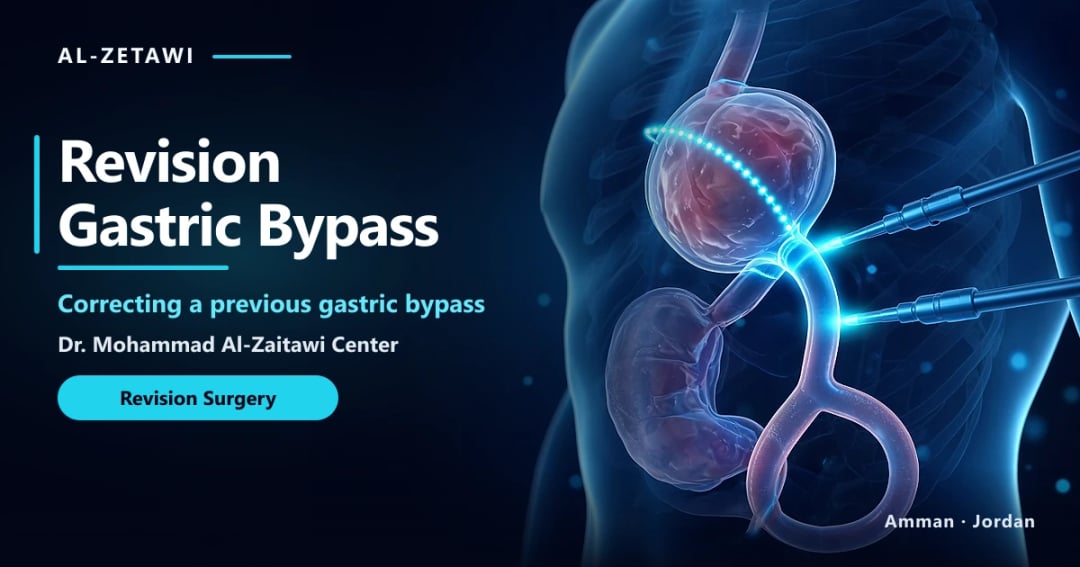
What Is Revision Gastric Bypass?
Revision gastric bypass refers to any planned procedure that corrects, modifies or reverses a previous Roux-en-Y gastric bypass. Most people who have a gastric bypass do well for many years, but a minority develop problems that need further treatment. These include weight regain or insufficient weight loss, ulcers that do not heal, narrowing of the connection, internal hernia, severe low blood sugar after meals, malnutrition and chronic abdominal pain.
Revision is not a single operation. Depending on the cause of the problem, it may involve an endoscopic procedure through the mouth, resizing the stomach pouch or connection, changing the lengths of the intestinal limbs, adding a band around the pouch, repairing an internal hernia, removing part of the bypassed stomach or, in rare cases, reversing the bypass to restore normal anatomy.
Revision of a bypass versus conversion to a bypass
It is important to distinguish two different situations. This guide covers revision of an existing gastric bypass. Patients who had a sleeve gastrectomy, a gastric band or another operation and are now considering conversion to a gastric bypass should read our guide to revision bariatric surgery, which explains conversion operations in detail.
Why revision requires special expertise
Revisional surgery is technically more demanding than a first operation. Scar tissue, altered anatomy, previous staple lines and a sometimes fragile nutritional state increase the risks. The American Society for Metabolic and Bariatric Surgery (ASMBS) Revision Task Force has emphasised that revisional operations carry higher complication rates than primary procedures and should be performed by experienced surgeons in centres with full support services.
What this guide covers
This guide explains the reasons for revising a gastric bypass, how the problem is investigated, the endoscopic and surgical options, the risks, recovery and long-term follow-up. It draws on the ASMBS Revision Task Force systematic review, studies of endoscopic transoral outlet reduction, research on marginal ulcers and post-bypass hypoglycaemia, the AACE/TOS/ASMBS nutrition guidelines and the 2020 international consensus on dumping syndrome, and is written by the team at Dr. Mohammad Al-Zaitawi's center in Amman.
Reasons for Revising a Gastric Bypass
The reasons for revision fall into two broad groups: problems with weight and problems with complications or side effects.
| Problem | Typical symptoms or findings | Common causes |
|---|---|---|
| Weight regain | Progressive weight gain after reaching the lowest weight; return of hunger; larger portions | Dilated pouch or connection, gastro-gastric fistula, eating patterns, reduced activity, hormonal changes, medicines |
| Insufficient weight loss | Failure to lose an adequate proportion of excess weight | Patient factors, anatomy, short limbs, untreated eating disorders |
| Marginal ulcer | Pain after eating, bleeding, anaemia, perforation | Smoking, NSAIDs, steroids, Helicobacter pylori, large pouch, ischaemia, foreign material |
| Anastomotic stricture | Vomiting, difficulty swallowing solids | Narrowing of the pouch-intestine connection |
| Internal hernia | Intermittent colicky pain, bloating, bowel obstruction | Intestine slipping through spaces created by the rerouting |
| Post-bariatric hypoglycaemia | Shakiness, sweating, confusion or fainting one to three hours after meals | Exaggerated insulin response to rapid nutrient delivery |
| Severe dumping | Cramps, diarrhoea, palpitations shortly after meals | Rapid pouch emptying |
| Malnutrition | Low albumin, swelling, severe hair loss, diarrhoea | Very long bypassed limbs, short common channel, poor intake |
| Gastro-gastric fistula | Weight regain, ulcer pain, reflux | Abnormal connection between the pouch and the remnant stomach |
| Reflux or regurgitation | Heartburn, regurgitation, cough | Large pouch, hiatal hernia, gastro-gastric fistula |
| Chronic abdominal pain | Persistent or recurrent pain | Internal hernia, adhesions, ulcer, gallbladder or bile duct problems, candy cane syndrome |
How common is revision?
Reported revision rates after gastric bypass vary widely depending on the length of follow-up, the definition of revision and the population studied. Most patients never need revision. However, because gastric bypass has been performed widely for decades, the number of patients seeking assessment for long-term problems is growing worldwide.
Not every problem needs surgery
Many problems after gastric bypass can be managed with medicines, dietary changes, endoscopic treatment or psychological support. Surgery is considered when these measures have failed, when the problem is clearly anatomical or when there is a serious complication.
Weight Regain After Gastric Bypass
Weight regain is the most common reason patients seek revision. Some regain after the lowest weight is normal and expected, typically a modest amount over several years. Significant regain, especially if it erases a large proportion of the original weight loss, deserves a careful and non-judgemental assessment.
How much regain is significant?
There is no single agreed definition. Researchers have used different thresholds, such as regaining more than a certain number of kilograms, more than 10 to 15 percent of the lowest weight, or more than a quarter of the weight originally lost. In practice, what matters most is the trend and its effect on health. Regain that brings back diabetes, high blood pressure, sleep apnoea or joint pain, or that continues steadily over months, should be assessed early, because earlier intervention is usually simpler and more effective than waiting until most of the weight has returned.
Understanding why weight returns
- Behavioural factors: grazing, liquid calories, frequent sweets and snacks, eating while distracted
- Psychological factors: depression, anxiety, stress, binge eating disorder and loss-of-control eating
- Physiological factors: return of hunger hormones, reduced energy expenditure, loss of muscle mass and menopause
- Medicines: some antidepressants, antipsychotics, steroids, insulin and other medicines promote weight gain
- Anatomical factors: enlarged pouch, widened gastrojejunal connection, gastro-gastric fistula or short limbs
Anatomical findings that suggest a surgical cause
Endoscopy and imaging may show a pouch that has enlarged beyond its original size, a connection that has widened significantly, or a fistula between the pouch and the remnant stomach. A widened connection allows food to pass quickly, reducing fullness, while a large pouch allows larger meals. A gastro-gastric fistula allows food to reach the remnant stomach and duodenum, partially reversing the bypass.
A stepwise approach
- Detailed review of eating patterns, activity, sleep and medicines with a bariatric dietitian
- Psychological assessment and treatment of disordered eating if present
- Anti-obesity medicines, such as GLP-1 receptor agonists, which have produced meaningful weight loss in patients with regain after bariatric surgery in several studies
- Endoscopic treatment of a dilated connection or pouch
- Surgical revision for patients with clear anatomical causes or failure of other measures
Combining approaches often works best. For example, surgical or endoscopic revision may be combined with dietary support and medicines to achieve and maintain results.
Complications That May Need Revision
Marginal ulcer
A marginal ulcer is an ulcer at the connection between the pouch and the small intestine. A systematic review published in Obesity Surgery found that reported incidence varies widely between studies. The most important risk factors are smoking, NSAIDs and steroids; other factors include Helicobacter pylori, a large pouch that contains more acid-producing cells, poor blood supply and permanent sutures or staples at the connection. Most ulcers heal with high-dose acid-reducing medicines, sucralfate and removal of risk factors. Revision is considered for ulcers that do not heal despite adequate treatment, recurrent ulcers, perforation or bleeding that cannot be controlled endoscopically.
Anastomotic stricture
Narrowing of the connection usually appears in the first months after surgery and causes vomiting and difficulty swallowing solids. Most strictures respond to one or more endoscopic balloon dilations. Surgical revision is rarely needed.
Internal hernia
Internal hernia occurs when loops of intestine slip through spaces created by the bypass. It may cause intermittent colicky abdominal pain, often after meals, or sudden bowel obstruction. A large Swedish randomised trial published in The Lancet showed that closing these spaces during the original operation reduces the risk. Internal hernia can be difficult to see on CT scans, and diagnostic laparoscopy is sometimes needed. It requires prompt surgical repair, because the trapped intestine can lose its blood supply.
Gastro-gastric fistula
An abnormal connection between the pouch and the remnant stomach may develop after a leak or ulcer, or in older techniques where the stomach was not fully divided. It can cause weight regain, ulcers and reflux. Treatment usually involves surgical division of the fistula, often with resizing of the pouch or removal of part of the remnant stomach.
Candy cane syndrome and Roux stasis
Candy cane syndrome occurs when the blind end of the Roux limb next to the connection is too long, so food collects there and causes pain, regurgitation and vomiting. Roux stasis syndrome refers to slow movement through the Roux limb. Both may require surgical correction after careful investigation.
Reflux and hiatal hernia after bypass
Gastric bypass usually controls reflux very well, so persistent or new reflux after bypass suggests a specific cause. Common explanations include a pouch that was created too large or has enlarged, a hiatal hernia that was not repaired or has recurred, a gastro-gastric fistula that allows acid from the remnant stomach to reach the pouch, or a Roux limb that is too short, allowing bile to reach the pouch. Endoscopy, a contrast study and sometimes pH monitoring identify the cause. Treatment may include repair of the hiatal hernia, resizing of the pouch, division of a fistula or lengthening of the Roux limb, depending on the findings.
Chronic abdominal pain
Chronic pain after gastric bypass has many possible causes, including internal hernia, adhesions, ulcers, gallstones, bile duct stones, constipation and functional pain. A systematic evaluation is essential before any revision is considered.
Hypoglycaemia, Dumping and Malnutrition
Post-bariatric hypoglycaemia
A small proportion of patients develop low blood sugar one to three hours after meals, typically more than a year after surgery. Reviews in the Journal of Clinical Endocrinology and Metabolism describe the mechanism as rapid delivery of nutrients to the intestine, causing a sharp rise in blood sugar, an exaggerated release of GLP-1 and insulin, and then a drop in blood sugar. Symptoms include shakiness, sweating, confusion and, in severe cases, fainting or seizures.
| Step | Treatment |
|---|---|
| 1. Diet | Small, frequent meals; low in rapidly absorbed carbohydrates; protein and fat with every meal; no sugary drinks or alcohol |
| 2. Monitoring | Continuous glucose monitoring to document episodes and guide treatment |
| 3. Medicines | Acarbose to slow carbohydrate absorption; other options such as diazoxide or somatostatin analogues under specialist supervision |
| 4. Feeding through the remnant stomach | A gastrostomy tube into the bypassed stomach can restore normal nutrient flow in refractory cases |
| 5. Surgery | Pouch restriction, partial reversal or full reversal of the bypass in rare severe cases |
Surgery for hypoglycaemia is a last resort, and results are not always complete. It should be considered only after specialist endocrine assessment.
Severe dumping
Dumping syndrome is described in the 2020 international consensus published in Nature Reviews Endocrinology. Most cases improve with dietary changes. Medicines may help in persistent cases. Surgical options, such as narrowing the connection or adding a band to slow pouch emptying, are reserved for severe refractory symptoms.
Malnutrition
Severe protein malnutrition is uncommon after a standard gastric bypass but can occur, particularly after distal bypass with long bypassed limbs, after previous limb lengthening for weight regain, or with very poor intake. Signs include low albumin, leg swelling, severe hair loss, muscle wasting and diarrhoea. Treatment begins with nutritional support, sometimes including tube feeding or intravenous nutrition. Surgical options include shortening the bypassed limbs, lengthening the common channel or reversing the bypass.
Evaluation Before Revision Surgery
A thorough evaluation identifies the exact cause of the problem and guides the choice of treatment. Revision without a clear diagnosis is unlikely to succeed.
| Investigation | What it shows |
|---|---|
| Previous operative notes | Pouch size, limb lengths, technique and closure of internal spaces; essential for planning |
| Upper endoscopy | Pouch size, width of the connection, ulcers, strictures, gastro-gastric fistula and hiatal hernia |
| Contrast study (upper GI series) | Pouch shape, emptying speed, leaks and fistulas |
| CT scan, sometimes with 3D reconstruction | Pouch volume, internal hernia, remnant stomach, bowel obstruction and anatomy |
| Blood tests | Nutrition panel, albumin, iron, vitamin B12, vitamin D, calcium, parathyroid hormone, zinc, copper, HbA1c and kidney and liver function |
| Glucose studies | Continuous glucose monitoring or mixed-meal testing for suspected hypoglycaemia |
| Nutrition assessment | Eating patterns, protein intake and supplement adherence |
| Psychological assessment | Binge eating, depression, alcohol use and readiness for further surgery |
| Helicobacter pylori testing | Relevant in patients with ulcers |
The importance of previous records
Operative notes from the original surgery are extremely valuable. They describe how the pouch was created, how long the limbs are and whether the internal spaces were closed. If records are not available, the surgeon will rely on endoscopy, imaging and findings during surgery, and will measure the small intestine during the revision.
Remote review for international patients
International patients can send their operative notes, endoscopy and imaging reports, recent blood tests and a description of their symptoms before travelling. This allows the team to give an initial opinion and plan any additional tests needed in Amman.
Non-Surgical and Medical Options
Before considering further surgery, many patients benefit from non-surgical treatments, either on their own or in combination with procedures.
Nutritional and behavioural support
A structured programme with a bariatric dietitian addresses portion sizes, protein intake, grazing, liquid calories and meal timing. Cognitive behavioural therapy and other psychological approaches help with emotional eating, binge eating and loss-of-control eating.
Anti-obesity medicines
GLP-1 receptor agonists such as liraglutide and semaglutide, and the dual agonist tirzepatide, have transformed obesity treatment. Several studies in patients with weight regain after bariatric surgery, including gastric bypass, have reported meaningful additional weight loss. These medicines can be used alone, before revision to reduce surgical risk, or after revision to support results. They require medical supervision and are not suitable for everyone.
Medical treatment of complications
- High-dose proton pump inhibitors, often as opened capsules, and sucralfate for marginal ulcers
- Eradication treatment for Helicobacter pylori when present
- Dietary changes and medicines such as acarbose for dumping and hypoglycaemia
- Nutritional repletion for deficiencies
Physical activity
Regular exercise, including strength training, helps preserve muscle mass and supports weight maintenance after any treatment.
Endoscopic Revision: Transoral Outlet Reduction
Endoscopic procedures are performed through the mouth without abdominal incisions, usually as day-case procedures under sedation or general anaesthesia.
Transoral outlet reduction (TORe)
When weight regain is associated with a widened gastrojejunal connection, the opening can be narrowed endoscopically. The edges of the connection are first treated with argon plasma coagulation to encourage tissue healing, and then an endoscopic suturing device places stitches to reduce the diameter. Studies by Jirapinyo, Thompson and colleagues have reported meaningful weight loss after TORe, with some patients maintaining results for several years. Results are generally more modest than surgical revision, but the procedure has a lower risk profile.
Argon plasma coagulation alone
Some centres use repeated sessions of argon plasma coagulation around the connection to cause scarring and narrowing, without sutures. Several sessions may be needed.
Advantages and limitations
| Advantages | Limitations |
|---|---|
| No abdominal incisions | Weight loss usually more modest than surgical revision |
| Short recovery, often home the same day | Results may fade over time; repeat procedures may be needed |
| Lower complication risk than surgery | Not suitable for all anatomical problems, such as very large pouches or fistulas |
| Can be repeated | Availability depends on endoscopic expertise and equipment |
Endoscopic treatment of complications
Endoscopy is also used to dilate strictures, treat bleeding ulcers and, in selected cases, close small fistulas. It plays a central role in the diagnosis and management of many problems after gastric bypass.
Surgical Revision Options
When surgery is needed, the operation is tailored to the specific problem. The main options are summarised below.
| Operation | What it involves | Main indications | Key considerations |
|---|---|---|---|
| Pouch and connection revision | Resizing an enlarged pouch and remaking or narrowing the connection | Weight regain with dilated pouch or connection; refractory ulcer; stricture | Technically demanding; removes the ulcer and acid-producing tissue |
| Banded bypass (pouch ring) | Placing a non-adjustable ring around the pouch above the connection | Weight regain with a dilated outlet; severe dumping | Adds restriction; risks include erosion, slippage and food intolerance |
| Limb distalisation | Lengthening the bypassed limb and shortening the common channel | Significant weight regain or persistent metabolic disease | Greater weight loss but significant risk of protein malnutrition and deficiencies; requires measuring the entire small bowel |
| Fistula division and remnant gastrectomy | Dividing a gastro-gastric fistula, sometimes removing part of the remnant stomach | Fistula causing regain or ulcers | Removes the abnormal connection |
| Internal hernia repair | Returning the bowel to position and closing the spaces | Internal hernia | May be urgent |
| Revision for candy cane or Roux stasis | Removing the excess blind limb or revising the limb | Confirmed candy cane syndrome | Requires careful diagnosis |
| Reversal of gastric bypass | Reconnecting the pouch to the remnant stomach and restoring intestinal continuity | Severe malnutrition, refractory hypoglycaemia, intractable ulcers or pain | Complex; weight regain likely; sometimes combined with a sleeve |
| Conversion to duodenal switch or SADI-S | Reversing the bypass and creating a duodenal switch | Selected cases of severe regain | Very complex; performed only in highly specialised centres |
Choosing the right operation
The choice depends on the anatomy found during evaluation, the main problem, previous operations, nutritional status and the patient's goals. In weight regain, the operation should address the anatomical cause; in complications, it should treat the specific problem while preserving the benefits of the bypass where possible.
Laparoscopic and robotic approaches
Most revisional operations are performed laparoscopically. Robotic surgery, with three-dimensional vision and wristed instruments, can be valuable in revisional cases with dense adhesions and complex reconstructions. Open surgery is occasionally required.
Limb Distalisation Explained
Limb distalisation, also called conversion to a distal gastric bypass, is one of the most powerful surgical options for weight regain after Roux-en-Y gastric bypass, but it also carries some of the most important risks.
How it works
In a standard gastric bypass, food and digestive juices mix in a long common channel, where most calories and protein are absorbed. Distalisation moves the junction of the limbs further down the intestine, shortening the common channel. This reduces the absorption of fat and calories, increasing weight loss and metabolic effects.
Why measurement matters
The total length of the small intestine varies greatly between individuals. The surgeon must measure the entire small bowel during surgery and plan the limb lengths accordingly. A common channel or total alimentary length that is too short can cause severe protein malnutrition, diarrhoea and deficiencies of fat-soluble vitamins, sometimes requiring further revision.
Who may be considered
- Patients with significant weight regain after bypass without a correctable pouch or connection problem
- Patients with persistent or recurrent type 2 diabetes
- Patients who can commit to strict lifelong supplementation and frequent laboratory monitoring
Risks and follow-up
Patients undergoing distalisation need close follow-up, with laboratory tests every few months in the first year and at least annually afterwards, including albumin, fat-soluble vitamins, zinc, copper and bone health markers. Any sign of malnutrition, such as swelling or severe diarrhoea, requires prompt assessment.
Reversal of Gastric Bypass
Because no stomach is removed during gastric bypass, the operation is technically reversible. Reversal reconnects the pouch to the remnant stomach and restores the normal flow of food through the stomach and duodenum.
When reversal may be considered
- Severe protein malnutrition that does not respond to nutritional support
- Severe refractory post-bariatric hypoglycaemia after failure of dietary and medical treatment
- Recurrent or non-healing marginal ulcers despite optimal treatment
- Severe chronic pain or food intolerance after other causes have been excluded
- Rare cases where patients cannot tolerate the bypass anatomy
What to expect
Reversal is a complex operation with significant risks, and many patients regain weight afterwards. To limit weight regain, some surgeons combine reversal with a sleeve gastrectomy of the remnant stomach. The decision requires detailed discussion of the expected benefits and risks, and in cases of hypoglycaemia, specialist endocrine input.
Partial measures
In some cases, alternatives to full reversal, such as feeding through a gastrostomy into the remnant stomach, can test whether restoring the normal pathway will resolve the problem before committing to reversal.
Risks of Revision Surgery
Revisional bariatric surgery carries higher risks than primary surgery. The ASMBS Revision Task Force systematic review reported higher complication rates after revisional operations than after primary procedures, while noting that experienced centres can achieve acceptable safety.
| Risk | Details |
|---|---|
| Leak | More likely than after primary surgery because of scar tissue and previous staple lines |
| Bleeding | From staple lines, adhesions or inside the bowel |
| Injury to bowel or other organs | Adhesions from previous surgery increase the risk |
| Conversion to open surgery | Occasionally needed for safety |
| Stricture and ulcer | At new connections |
| Malnutrition | Particularly after limb distalisation |
| Blood clots | Reduced with early walking, compression and blood thinners |
| Incomplete resolution of the problem | Some patients regain weight again or have persistent symptoms |
| Need for further procedures | More likely after revisional surgery |
Reducing the risks
- Accurate diagnosis before surgery
- Complete stop of smoking and NSAIDs
- Optimisation of nutrition, including correction of deficiencies and adequate protein
- Control of diabetes and other medical conditions
- Surgery in an accredited hospital with intensive care, endoscopy and interventional radiology available at all times
- An experienced revisional bariatric surgeon
Warning signs after surgery
- Fever, fast heart rate, worsening abdominal pain or breathlessness
- Persistent vomiting or inability to keep fluids down
- Black stools or vomiting blood
- Severe diarrhoea, swelling of the legs or extreme weakness
- Painful swelling of a leg or chest pain
Preparing for Revision Surgery
Nutritional optimisation
Patients undergoing revision are more likely to have pre-existing deficiencies. Correcting iron, vitamin B12, vitamin D, folate and protein deficiencies before surgery improves healing and reduces complications. In patients with malnutrition, a period of nutritional support may be needed before surgery.
Stop smoking and NSAIDs
Smoking and NSAIDs are major causes of ulcers and poor healing. Patients must stop all forms of nicotine and avoid NSAIDs completely before and after revision.
Liver-shrinking diet
A low-calorie, high-protein diet for about two weeks before surgery reduces liver size and improves access.
Medicines
- Blood thinners and diabetes medicines need a tailored plan
- GLP-1 receptor agonists may need to be paused before anaesthesia
- Acid-reducing medicines may be started or continued, particularly in ulcer cases
Psychological readiness
Revision can be emotionally demanding, particularly after weight regain. Psychological support helps patients set realistic expectations and build habits that support long-term success.
Practical preparation
- Collect all previous operative notes and reports
- Arrange time off work: usually two to four weeks
- Plan support at home for the first weeks
- Prepare protein supplements and a bariatric multivitamin
The Day of Surgery and Hospital Stay
Revisional operations usually take longer than primary surgery, often between two and four hours depending on the complexity and the amount of scar tissue.
During surgery
- General anaesthesia and laparoscopic or robotic access
- Careful release of adhesions from previous surgery
- Detailed inspection of the pouch, connections, limbs and internal spaces
- Measurement of the small intestine when limb changes are planned
- Performance of the planned revision
- Closure of internal spaces and leak testing
- Sometimes intraoperative endoscopy to confirm the result
Hospital stay
Most patients stay in hospital for two to four days after revisional surgery, but the length of stay is always tailored to recovery. Endoscopic procedures are usually performed as day cases or with a single overnight stay.
Early recovery
| Time | What to expect |
|---|---|
| Day of surgery | Walking with help, breathing exercises, pain control and blood clot prevention |
| Days 1 to 4 | Gradual introduction of fluids, more walking, blood tests and sometimes a contrast study |
| Weeks 1 to 2 | Liquid diet, short walks, blood thinner injections when prescribed |
| Weeks 2 to 4 | Puréed foods; return to desk work for many patients |
| Weeks 4 to 8 | Soft foods progressing to a regular healthy diet; gradual return to exercise |
Diet and Nutrition After Revision
The diet after revision follows staged progression similar to the original bypass, adjusted to the type of revision.
| Stage | Timing | Foods |
|---|---|---|
| Liquids | About weeks 1 to 2 | Water, clear broths, sugar-free drinks and protein shakes |
| Puréed foods | About weeks 2 to 4 | Blended lean protein, eggs, yoghurt and puréed vegetables |
| Soft foods | About weeks 4 to 6 | Tender fish, minced meat and cooked vegetables |
| Regular healthy diet | From about week 6 to 8 | Balanced meals with protein first |
Lifelong supplements
Supplements continue lifelong, as after the original bypass, and may need to be increased after operations that lengthen the bypassed limbs. Typical supplements include a bariatric multivitamin, vitamin B12, iron, calcium citrate and vitamin D, with fat-soluble vitamins and zinc added when indicated. Doses are guided by blood tests, in line with the AACE/TOS/ASMBS nutrition guidelines.
Monitoring schedule
| Time | Tests |
|---|---|
| 3 months | Blood count, albumin, kidney and liver function and key vitamins |
| 6 months | Full nutritional panel including iron, vitamin B12, folate, vitamin D, calcium and parathyroid hormone |
| 12 months | Full nutritional panel including fat-soluble vitamins, zinc and copper |
| Every year, or more often after distalisation | Full nutritional panel and bone health assessment |
Eating habits
- Protein first at every meal
- Eat slowly and chew thoroughly
- Separate fluids from meals
- Avoid sugary foods and drinks
- Avoid grazing and liquid calories
- Avoid alcohol
Results and Realistic Expectations
Results after revision depend on the reason for revision and the type of procedure.
| Indication | What can usually be expected |
|---|---|
| Weight regain with endoscopic outlet reduction | Modest weight loss; results vary and may fade over time |
| Weight regain with surgical pouch or connection revision | Moderate additional weight loss in many patients |
| Weight regain with limb distalisation | Greater weight loss, balanced against nutritional risk |
| Refractory marginal ulcer | High rate of healing when risk factors are removed |
| Internal hernia | Resolution of symptoms after repair in most patients |
| Severe hypoglycaemia | Improvement in many patients, but not always complete resolution |
| Malnutrition | Improvement after limb revision or reversal combined with nutritional support |
Weight loss after revision is usually less than after the first operation
Patients should understand that revisional surgery for weight regain typically produces less weight loss than the original bypass. The most durable results come from combining the procedure with nutritional support, behavioural changes, physical activity and, where appropriate, medicines.
Measuring success beyond the scale
Success after revision should not be judged by weight alone. For many patients, the most important outcomes are the healing of a painful ulcer, the end of vomiting episodes, freedom from frightening hypoglycaemia, recovery from malnutrition or the return of diabetes control. Improvements in energy, mobility, sleep and confidence also matter. Agreeing on these goals before surgery helps patients and surgeons judge whether the revision has achieved what it set out to do.
Shared decision-making
The decision to proceed with revision should be shared between patient and surgeon, with clear understanding of the expected benefits, the risks and the alternatives, including non-surgical options.
Long-Term Follow-Up and Preventing Further Problems
Revision is not the end of the journey. Patients who have had a second operation need structured, lifelong follow-up to protect their results and to detect new problems early.
A follow-up framework
| Area | What to do | Why it matters |
|---|---|---|
| Clinic reviews | At about 2 weeks, 6 weeks, 3, 6 and 12 months, then at least yearly, in person or by video | Monitors weight, symptoms, medicines and wellbeing |
| Blood tests | According to the monitoring schedule, more often after distalisation | Detects deficiencies before they cause symptoms |
| Dietitian support | Regular sessions in the first year, then as needed | Maintains protein intake and healthy eating patterns |
| Psychological support | As needed, especially if emotional or binge eating was a factor | Reduces the risk of recurrent regain |
| Bone health | Calcium, vitamin D, parathyroid hormone and bone density scans in selected patients | Bypass and revision increase the long-term risk of bone loss |
| Medicine review | Each time a new medicine is started | Avoids NSAIDs and adjusts doses for altered absorption |
Habits that protect your results
- Never smoke, and avoid NSAIDs and unnecessary steroids, to prevent ulcers
- Eat protein first, avoid grazing and liquid calories, and keep sweets occasional
- Exercise regularly, including strength training at least twice a week
- Weigh yourself regularly and contact the team early if weight rises steadily
- Take supplements every day, even when you feel well
- Sleep well and seek help for stress, low mood or loss-of-control eating
When to seek help early
Contact the team if you notice steady weight regain over several months, return of hunger with larger portions, new pain after meals, persistent heartburn, black stools, frequent diarrhoea, swelling of the legs or episodes of shakiness and confusion after meals. Early assessment often allows simpler treatment.
Keep your records
Keep copies of all operative notes, endoscopy reports and discharge summaries. If you ever need emergency care, tell the doctors that you have had a gastric bypass and a revision, and show them your records. This information can be critical for diagnosing problems such as internal hernia.
Revision Gastric Bypass in Jordan for International Patients
Patients from the Gulf, the United Kingdom, Europe and North America travel to Amman for revisional bariatric surgery because of experienced surgeons, modern hospitals and short waiting times. Revision requires more planning than primary surgery.
A typical plan
- Send previous operative notes, endoscopy and imaging reports, blood tests and a description of symptoms for a remote review.
- Receive an initial opinion and a list of tests needed in Amman.
- Arrive in Amman for consultation, endoscopy, imaging, blood tests and anaesthetic assessment.
- Have the planned endoscopic or surgical procedure.
- Stay in hospital for about two to four days after surgical revision.
- Remain in Jordan for about 7 to 14 days in total for follow-up and a fit-to-fly assessment.
- Continue remote follow-up with laboratory tests at home and video or WhatsApp consultations.
Continuity of care
Before travelling, identify a local doctor who can arrange blood tests and see you in an emergency. You will receive a detailed written summary of the revision, including limb measurements, so that other doctors can interpret your anatomy correctly.
Flying after surgery
Walk regularly during the flight, stay hydrated, wear compression stockings and use blood thinner injections if prescribed.
Our international patient team assists with appointments, transfers, accommodation and communication throughout your stay.
Choosing a Revision Bariatric Surgeon
Revisional bariatric surgery should be performed by surgeons with specific experience in complex reoperative surgery. Look for:
- Specialist training in bariatric and metabolic surgery with substantial revisional experience
- Experience with endoscopic, laparoscopic and robotic techniques
- A thorough diagnostic approach before recommending surgery
- Honest discussion of the expected benefits, risks and alternatives
- Access to a multidisciplinary team including dietitians, endocrinologists and psychologists
- An accredited hospital with intensive care, endoscopy and interventional radiology
About Dr. Mohammad Al-Zaitawi
Dr. Mohammad Al-Zaitawi is a consultant surgeon in Amman with the Jordanian Board in General Surgery and a subspecialty in bariatric surgery. He is a Fellow of the American College of Surgeons and a Fellow of the International College of Surgeons, and holds a diploma in laparoscopic and bariatric surgery from Strasbourg, France. He performs primary and revisional bariatric surgery, including revision of gastric bypass, using laparoscopic and robotic techniques. You can review his profile and credentials and read patient reviews.
Questions to ask at your consultation
- What exactly is causing my problem, and how was this confirmed?
- What non-surgical options do I have?
- Which procedure do you recommend, and why?
- What results can I realistically expect?
- What are my personal risks, and how will they be reduced?
- How will my nutrition be monitored after I return home?
- How long should I stay in Jordan?
Frequently Asked Questions
What is revision gastric bypass?
Why do people regain weight after gastric bypass?
Can weight regain after bypass be treated without surgery?
What is transoral outlet reduction (TORe)?
What is limb distalisation?
Can a gastric bypass be reversed?
Is revision surgery riskier than the first operation?
How long does revision surgery take?
How long will I stay in hospital?
Will I lose as much weight as after my first bypass?
What causes a marginal ulcer?
What are the symptoms of internal hernia after bypass?
Will I need vitamins after revision?
How long should international patients stay in Jordan?
How much does revision gastric bypass cost in Jordan?
Conclusion
Revision of a gastric bypass can help patients with weight regain, ulcers, strictures, internal hernia, hypoglycaemia, malnutrition and other problems. The key to success is an accurate diagnosis, a stepwise approach that considers non-surgical options first, and a procedure tailored to the specific cause, performed by an experienced team.
At Dr. Mohammad Al-Zaitawi's center in Shmeisani, Amman, revision begins with a careful review of your previous surgery, endoscopy, imaging and nutrition, followed by an honest discussion of the options and a structured long-term follow-up plan, whether you live in Jordan or abroad.
Your next steps
- Collect your previous operative notes, endoscopy and imaging reports, and recent blood tests.
- Request a free consultation for a remote review.
- Receive a personalised assessment and plan.
- Read our related guides on gastric bypass and revision bariatric surgery.
This guide is for general information and does not replace individual medical advice. Treatment decisions are made only after a personal assessment by your surgeon.
Medical note from Dr. Mohammad Al-Zaitawi
Successful revision starts with an accurate diagnosis. I always look for the exact cause, consider non-surgical options first and recommend surgery only when it clearly addresses the problem.
What international patients say
Selected patient feedback connected to this procedure.
International Patient
The coordination before travel and the follow-up after surgery were clear and professional.
Related articles and success stories
Helpful links for patients comparing treatment options and planning their journey.
Scientific references and guidance
These sources support the medical information on this page. If you want this guidance applied to your own case, send us your details for an initial review.
Reviewed by Dr. Mohammad Al-Zaitawi
Prefer a quicker route? Try the free case review or see bariatric surgery costs in Jordan.