
Introduction
What revision bariatric surgery means
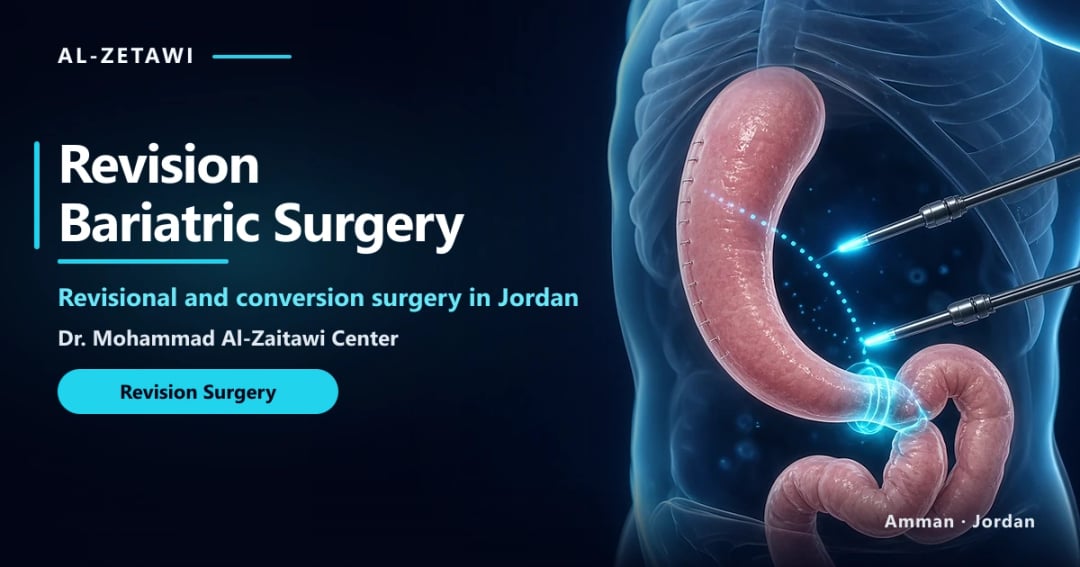
Revision bariatric surgery, also called revisional or redo weight loss surgery, is any operation performed on a patient who has already had a bariatric procedure. It can correct a problem created by the first operation, convert one procedure into another, restore anatomy that is no longer working as intended, or in rare cases reverse the original surgery. It is not a single operation. It is a family of carefully selected procedures, and the right one depends on what was done before, what has changed since, and what the patient needs now.
Bariatric surgery is one of the most effective long-term treatments for severe obesity and its related diseases. Millions of people worldwide have had a sleeve gastrectomy, a gastric bypass, a gastric band or another weight loss operation. Most do well. A meaningful minority, however, will face weight regain, insufficient weight loss, new reflux, nutritional problems or a late complication years after surgery. For these patients, revision surgery can be the step that restores health and quality of life, provided it is planned with the precision that this more complex surgery demands.
This guide explains revision bariatric surgery in depth: why it is needed, the different types of revision, how surgeons decide which operation fits which problem, what the evidence shows about results and risks, how recovery works, what it costs, and how international patients can plan revision surgery in Amman with Dr. Mohammad Al-Zaitawi, a bariatric surgeon with more than 15 years of experience in primary and revisional weight loss surgery.
Who this guide is for
- Patients who had a sleeve gastrectomy and are regaining weight or developing reflux
- Patients with a previous gastric band who want it removed or converted
- Patients after gastric bypass or mini gastric bypass with regain, ulcers, bile reflux or nutritional problems
- Patients who never reached a healthy weight after their first operation
- Family members and referring physicians who want a clear, evidence-based overview
Revision is not a sign of personal failure. Obesity is a chronic, relapsing disease influenced by genetics, hormones, medications, life events and the way the body adapts after surgery. International guidelines recognize revision as a legitimate part of the long-term treatment of obesity, in the same way that other chronic diseases sometimes need a second line of treatment.
| Key point | In short |
|---|---|
| What it is | Surgery after a previous bariatric operation, to correct, convert or restore it |
| Main reasons | Weight regain, insufficient weight loss, reflux, complications, nutritional problems |
| Common operations | Sleeve to gastric bypass, re-sleeve, band conversion, bypass revision, SADI-S or SASI |
| Approach | Laparoscopic or robotic, in experienced hands |
| Complexity | Higher than first-time surgery, so careful selection matters |
| Surgeon in Amman | Dr. Mohammad Al-Zaitawi, 15+ years in bariatric and revision surgery |
Why Revision Surgery Is Needed
Weight regain and insufficient weight loss
The most common reason patients seek revision is weight. Some patients lose weight well and then regain a large part of it after several years. Others never reach the expected result in the first place. Published studies report very different rates of weight regain after sleeve gastrectomy, largely because they use different definitions and follow patients for different lengths of time, but it is clear that regain becomes more frequent the longer patients are followed. Systematic reviews show regain ranging from a small percentage at two years to a majority of patients by six years or more under broad definitions.
Weight regain usually has more than one cause. A thorough evaluation looks at each of them before any operation is offered:
- Anatomical causes: a dilated sleeve, a retained fundus, an enlarged gastric pouch or a widened connection after bypass
- Biological causes: hormonal adaptation, reduced energy expenditure and the natural tendency of the body to defend a higher weight
- Behavioral causes: grazing, high-calorie liquids, emotional eating and loss of structured follow-up
- Medical causes: medications that promote weight gain, thyroid disease, menopause, reduced mobility or new health conditions
- Psychological causes: depression, binge eating disorder, stress and major life changes
This is why the first question in revision is never simply which operation to do. It is why the result has changed. When the cause is mainly anatomical, surgery can be very effective. When the cause is mainly behavioral or medical, a structured non-surgical program, sometimes supported by modern anti-obesity medications, may be the better first step.
Gastroesophageal reflux disease after sleeve gastrectomy
Reflux is the second major reason for revision, especially after sleeve gastrectomy. The sleeve creates a narrow, higher-pressure tube, and in some patients this worsens existing reflux or creates new reflux that did not exist before surgery. Large randomized trials such as SLEEVEPASS and SM-BOSS showed that reflux symptoms are more common after sleeve gastrectomy than after gastric bypass at five years. Some studies have also reported Barrett's esophagus, a precancerous change of the lower esophagus, in a proportion of patients examined endoscopically years after a sleeve. When reflux is severe, does not respond to medication or causes esophagitis, conversion to Roux-en-Y gastric bypass is the most established surgical solution.
Complications of the first operation
Some revisions are performed to treat a specific complication rather than weight. These include:
- Stricture or twisting of the sleeve, causing vomiting, food intolerance and dehydration
- Chronic leak or fistula after a previous staple-line leak
- Marginal ulcers at the connection of a gastric bypass, sometimes recurrent or perforated
- Bile reflux after one-anastomosis (mini) gastric bypass
- Severe dumping syndrome or post-bypass hypoglycemia that does not respond to dietary and medical treatment
- Internal hernia after gastric bypass, which can cause bowel obstruction
- Band slippage, erosion, port problems or esophageal dilation after gastric banding
- Severe malnutrition, protein deficiency or diarrhea after malabsorptive procedures
Problems with older procedures
Many patients had operations that are now rarely performed, such as the adjustable gastric band or vertical banded gastroplasty. A large proportion of band patients eventually need band removal because of insufficient weight loss, intolerance or complications. Removing the band alone often leads to weight regain, so many surgeons convert it to a sleeve or bypass, either in the same operation or in two stages, depending on the condition of the stomach tissue.
| Reason for revision | Typical signs | First steps in evaluation |
|---|---|---|
| Weight regain | Gradual return of weight, increased portion size, hunger | Weight history, diet review, endoscopy, contrast study or CT volumetry |
| Insufficient weight loss | Never reached the expected result | Review of the original operation and metabolic factors |
| Reflux after sleeve | Heartburn, regurgitation, night cough, esophagitis | Endoscopy, pH monitoring, manometry when needed |
| Stricture or twist | Vomiting, food intolerance, dehydration | Contrast study, endoscopy, possible dilation first |
| Marginal ulcer | Pain, bleeding, anemia | Endoscopy, stop smoking and NSAIDs, acid suppression |
| Malnutrition | Weakness, swelling, hair loss, low protein | Labs, nutrition support, review of limb lengths |
Types of Revision Procedures
Revision surgery is tailored to the original operation and the current problem. The main options used in modern bariatric practice are described below. Each has its own indications, advantages and limits, and none is right for every patient.
Conversion of sleeve gastrectomy to Roux-en-Y gastric bypass
This is the most commonly performed revision worldwide. The surgeon creates a small gastric pouch from the upper part of the sleeve and connects it to a limb of small intestine, bypassing the rest of the stomach and the first part of the intestine. It is the preferred option for severe reflux after sleeve, because it lowers the pressure in the stomach and diverts bile away from the esophagus. It can also produce additional weight loss in patients with regain, although the amount varies between studies and between patients.
Re-sleeve gastrectomy
A re-sleeve reshapes a sleeve that has dilated over time or a stomach in which part of the fundus was left behind. The surgeon removes the extra stomach tissue and recreates a narrow tube. It can be suitable for carefully selected patients with a clearly dilated sleeve and no significant reflux. It is not appropriate when reflux is a major problem, because a tighter sleeve can make reflux worse.
Conversion of sleeve to one-anastomosis gastric bypass (OAGB)
The one-anastomosis (mini) gastric bypass uses a single connection between a long gastric pouch and the small intestine. As a revision after sleeve, it can deliver strong additional weight loss. Because it carries a risk of bile reflux, it is generally avoided in patients whose main problem is reflux, and the length of bypassed intestine must be chosen carefully to limit nutritional risk.
Conversion of sleeve to SADI-S or SASI
Single-anastomosis duodeno-ileal bypass with sleeve (SADI-S) and single-anastomosis sleeve ileal bypass (SASI) add a metabolic, partly malabsorptive component to an existing sleeve. These operations are considered for patients with a high BMI, significant regain or poorly controlled type 2 diabetes. They are powerful but require strict lifelong supplementation and follow-up, and they are best performed in experienced centers.
Revision of gastric bypass
After gastric bypass, revision depends on the specific problem. Options include resizing an enlarged pouch, narrowing a widened connection, lengthening the bypassed limb (distalization) for regain, correcting a twisted or narrowed anastomosis, repairing internal hernias, treating recurrent ulcers or, in rare situations such as severe malnutrition or hypoglycemia, restoring normal anatomy. Mini gastric bypass with troublesome bile reflux is commonly converted to a Roux-en-Y configuration.
Band removal and conversion
For patients with a gastric band, the band and port are removed and the stomach is assessed. If the tissue is healthy, conversion to a sleeve or bypass can be done in one stage. If there is significant scarring, erosion or inflammation, a staged approach is safer, with the definitive operation a few months later.
Endoscopic revision
Endoscopic techniques such as narrowing the bypass connection with sutures (transoral outlet reduction) or endoscopic suturing of a dilated sleeve can help selected patients without abdominal surgery. They are less invasive but usually produce more modest results and may not last as long, so they are offered after careful discussion.
| Revision option | Best suited for | Main limitations |
|---|---|---|
| Sleeve to Roux-en-Y bypass | Severe reflux after sleeve, regain with reflux | Higher technical complexity, lifelong supplements, risk of ulcers |
| Re-sleeve | Dilated sleeve or retained fundus without significant reflux | Can worsen reflux, effect may be limited over time |
| Sleeve to OAGB | Weight regain without major reflux | Risk of bile reflux and nutritional deficiencies |
| Sleeve to SADI-S or SASI | High BMI, major regain, type 2 diabetes | Malabsorption, strict lifelong follow-up needed |
| Bypass pouch or outlet revision | Enlarged pouch or connection | Results depend on cause of regain |
| Bypass distalization | Significant regain after bypass in selected patients | Higher nutritional risk |
| Band removal and conversion | Failed or complicated gastric band | May need two stages |
| Endoscopic revision | Selected patients wanting a less invasive option | Usually more modest and less durable results |
Candidacy and Medical Evaluation
Who may be a candidate for revision surgery
International guidelines from the American Society for Metabolic and Bariatric Surgery (ASMBS) and the International Federation for the Surgery of Obesity and Metabolic Disorders (IFSO) support revision when there is a clear, documented reason and when the expected benefit outweighs the higher risk of reoperation. In general, a patient may be considered when:
- There is significant weight regain or insufficient weight loss together with obesity-related disease
- There is a documented anatomical problem such as a dilated sleeve, enlarged pouch or retained fundus
- Reflux is severe, causes esophagitis or Barrett's esophagus, or does not respond to medication
- A complication of the previous surgery cannot be managed by medication or endoscopy
- The patient is medically fit, understands the risks and is committed to long-term follow-up
- Contributing factors such as smoking, uncontrolled eating disorders or untreated depression have been addressed
The revision work-up, step by step
A revision decision should never be made on symptoms alone. A structured work-up builds a precise picture of the current anatomy and the cause of the problem:
- Previous operative report and discharge summary, if available, to know exactly what was done
- Detailed weight history: starting weight, lowest weight reached and current weight
- Upper endoscopy to assess the sleeve or pouch, the connection, ulcers, hiatal hernia and esophagitis
- Barium swallow or contrast study to show the shape of the sleeve or pouch and the passage of contrast
- CT scan with gastric volumetry in selected cases to measure sleeve volume objectively
- Esophageal pH monitoring and manometry when reflux or a motility disorder is suspected
- Blood tests including complete blood count, iron, vitamin B12, folate, vitamin D, calcium, albumin, liver and kidney function, HbA1c and thyroid tests
- Nutritional assessment of current eating patterns, protein intake and supplement use
- Psychological assessment to identify binge eating, emotional eating and support needs
- Medication review, especially for drugs that promote weight gain and for anti-inflammatory drugs that increase ulcer risk
When surgery is not the first answer
Some patients are better served by non-surgical treatment first. If the anatomy is normal and regain is driven mainly by eating patterns, a structured nutrition and behavioral program can help. Modern anti-obesity medications, such as GLP-1 receptor agonists, are increasingly used after bariatric surgery to treat regain and may avoid or delay reoperation for some patients. A responsible center discusses these options openly before recommending another operation.
Over more than 15 years of practice, Dr. Mohammad Al-Zaitawi has followed this principle: the best revision is the one that addresses the real cause of the problem, and sometimes the right decision is not to operate yet.
Choosing the Right Revision
Matching the operation to the problem
Choosing a revision procedure is a clinical decision built on three questions: what was the original operation, what is the main problem now, and what is the patient's overall health and risk profile. The table below summarizes how these factors commonly guide the decision. It is a general framework, not a substitute for individual assessment.
| Original surgery | Main problem | Options often considered |
|---|---|---|
| Sleeve gastrectomy | Severe reflux or esophagitis | Conversion to Roux-en-Y gastric bypass |
| Sleeve gastrectomy | Weight regain with dilated sleeve, no reflux | Re-sleeve, OAGB, SADI-S or SASI |
| Sleeve gastrectomy | Weight regain with diabetes and high BMI | SADI-S, SASI, OAGB or Roux-en-Y bypass |
| Sleeve gastrectomy | Stricture or twist | Endoscopic dilation first, then bypass if it fails |
| Roux-en-Y bypass | Enlarged pouch or connection | Pouch or outlet revision, endoscopic outlet reduction |
| Roux-en-Y bypass | Significant regain despite normal anatomy | Medication, distalization in selected cases |
| One-anastomosis bypass | Bile reflux | Conversion to Roux-en-Y configuration |
| Gastric band | Insufficient weight loss or complications | Band removal with sleeve or bypass, one or two stages |
Factors that shape the final plan
- Presence and severity of reflux or hiatal hernia
- Current BMI and the amount of additional weight loss needed
- Type 2 diabetes, high blood pressure, sleep apnea and other related conditions
- Nutritional status, especially iron, B12, vitamin D and protein
- Previous complications such as leaks, which increase the difficulty of reoperation
- Patient priorities, lifestyle and ability to take supplements and attend follow-up for life
A good revision consultation explains not only the recommended operation but also why the alternatives are less suitable. Patients should leave the consultation understanding the expected benefit, the specific risks of their case and the follow-up they will need afterward.
At Dr. Mohammad Al-Zaitawi's center, the recommendation is made after reviewing the full file, including imaging and endoscopy, and it is explained clearly to each patient. International patients can send their records before traveling so the plan is prepared in advance.
The Surgery: Technique and Safety
Laparoscopic and robotic revision
Most revision operations today are performed with minimally invasive surgery. Dr. Mohammad Al-Zaitawi performs revision bariatric surgery laparoscopically and robotically, choosing the approach for each patient after assessment. Robotic surgery offers a stable three-dimensional view and wristed instruments that can be helpful for precise suturing and careful dissection in scarred tissue, while laparoscopy remains a proven, effective approach in experienced hands.
Why revision is technically demanding
Revision surgery is more complex than a first operation. The surgeon must work through adhesions, which are bands of scar tissue that form after previous surgery, identify altered anatomy, and avoid injury to organs that may have moved or become attached to each other. Staple lines from the first operation can be thicker and less well supplied with blood, which increases the risk of leaks if they are not handled carefully. This is why revision outcomes depend heavily on surgeon experience.
Typical steps of a revision operation
- General anesthesia and careful positioning, with measures to prevent blood clots
- Access through small incisions and careful release of adhesions
- Full assessment of the existing anatomy, including the sleeve or pouch, connections and hiatus
- Repair of any hiatal hernia found, particularly in patients with reflux
- Performing the planned revision, for example creating a new pouch and connection or reshaping the sleeve
- Testing the staple lines and connections for leaks, often with air or dye testing
- Closing gaps between bowel loops when relevant to reduce the risk of internal hernia
- Final inspection for bleeding before completing the operation
Safety standards
Revision surgery should be performed in an accredited hospital with intensive care support, advanced imaging, interventional radiology and endoscopy available around the clock. Perioperative care follows Enhanced Recovery After Surgery (ERAS) principles: optimal pain control with fewer opioids, early mobilization, early fluids and prevention of nausea and blood clots. These measures reduce complications and shorten hospital stay.
The operation usually takes longer than a first-time procedure, often between two and four hours depending on the complexity and the amount of scar tissue. Most patients stay in the hospital for two to four days, but the length of stay is always tailored to recovery.
Recovery and Nutrition After Revision
The first days and weeks
Recovery after revision follows a similar pattern to first-time bariatric surgery, but it may be slightly slower. Patients are encouraged to walk within hours of surgery, drink small sips of fluid early and use breathing exercises to protect the lungs. Pain is usually well controlled with standard medication.
- Day 0 to 1: walking, small sips of clear fluids, monitoring of vital signs
- Day 1 to 3: contrast study if needed, progression of fluids, discharge planning
- Weeks 1 to 2: full liquids and protein drinks, gentle walking, wound care
- Weeks 2 to 4: pureed and soft foods introduced gradually
- Weeks 4 to 6 onward: small, protein-focused solid meals and gradual return to exercise
Nutrition and supplements for life
Nutritional care becomes even more important after revision, especially when the new operation includes a bypass or malabsorptive component. International guidelines from the AACE, The Obesity Society, ASMBS and other societies recommend lifelong supplementation and regular laboratory monitoring. A typical plan includes:
- A bariatric multivitamin with minerals every day
- Calcium citrate and vitamin D in divided doses
- Vitamin B12 by mouth, under the tongue or by injection after bypass procedures
- Iron supplementation, particularly for menstruating women
- A protein target usually between 60 and 80 grams per day, or more after malabsorptive operations
- Blood tests at 3, 6 and 12 months, then at least once a year
Returning to daily life
Most patients return to desk work within two to three weeks and to more physical work within four to six weeks. Lifting heavy objects should be avoided for several weeks to protect the abdominal wall. Regular exercise, including resistance training to preserve muscle, is a key part of long-term success after revision.
Behavioral support matters as much as surgery. Eating slowly, avoiding high-calorie liquids, separating drinks from meals, planning meals in advance and attending follow-up visits are habits that protect the result. International patients continue follow-up remotely with Dr. Mohammad Al-Zaitawi's center after they return home, through our international patient program.
Results and Scientific Evidence
What the research shows
Revision bariatric surgery has been studied extensively. The ASMBS Revision Task Force systematic review concluded that reoperative bariatric surgery can achieve meaningful weight loss and improvement in related conditions, while carrying higher risks than primary surgery. Since then, many studies have reported results for specific revision pathways.
- Conversion of sleeve to Roux-en-Y bypass for reflux leads to resolution or marked improvement of reflux symptoms in most patients, with many able to stop or reduce acid-suppressing medication
- Additional weight loss after revision for regain is usually real but often smaller than after the first operation, and results vary with the procedure chosen and the cause of regain
- More metabolic procedures such as SADI-S and OAGB tend to produce greater additional weight loss but require closer nutritional monitoring
- Improvement in type 2 diabetes, blood pressure and sleep apnea is common when significant weight loss is achieved
- Band conversion to sleeve or bypass produces weight loss comparable to or slightly lower than primary procedures in many series
Setting realistic expectations
The goal of revision is not only a number on the scale. It is the resolution of symptoms such as reflux or vomiting, improvement in metabolic health, a better relationship with food and a better quality of life. Patients who understand this, and who commit to nutritional and lifestyle follow-up, tend to achieve the most durable results.
| Revision pathway | Main expected benefit | What influences the result |
|---|---|---|
| Sleeve to Roux-en-Y bypass for reflux | Improvement or resolution of reflux | Hiatal hernia repair, pouch size, patient factors |
| Sleeve to bypass or OAGB for regain | Additional weight loss | Cause of regain, limb length, follow-up |
| Re-sleeve | Restored restriction and earlier fullness | Degree of dilation, absence of reflux |
| SADI-S or SASI | Strong weight loss and metabolic effect | Supplement adherence and monitoring |
| Bypass revision | Regain control or complication correction | Accurate diagnosis of the cause |
Every patient is different, and published averages cannot predict an individual result. During consultation, Dr. Mohammad Al-Zaitawi gives a personalized estimate based on the patient's anatomy, history and goals, drawing on more than 15 years of experience with bariatric and revision cases.
Risks and Complications
Why risks are higher than in first-time surgery
Revision surgery carries higher risks than a primary bariatric operation because of scar tissue, altered anatomy and tissue that has already been stapled or sutured. Studies consistently report higher rates of leaks, bleeding and longer operating times after revision. The overall risk remains acceptable in experienced centers and for well-selected patients, but it must be discussed openly before surgery.
Possible complications
- Leak from a staple line or connection, which may require drainage, endoscopic treatment or reoperation
- Bleeding inside the abdomen or from the staple line
- Stricture or narrowing of a new connection, often treatable by endoscopic dilation
- Marginal ulcer after bypass, with smoking and anti-inflammatory drugs as major risk factors
- Internal hernia after bypass, which can cause bowel obstruction years later
- Nutritional deficiencies, including iron, B12, vitamin D, calcium and protein
- Dumping syndrome or low blood sugar after bypass procedures
- Blood clots in the legs or lungs, and wound or chest infections
- Anesthesia-related risks, which are assessed before surgery
How risks are reduced
- Careful patient selection and a complete preoperative work-up
- Stopping smoking at least several weeks before surgery and permanently afterward
- Correcting anemia, protein deficiency and vitamin deficiencies before surgery
- Optimizing diabetes, blood pressure and sleep apnea treatment
- Experienced surgical technique with leak testing and meticulous hemostasis
- ERAS protocols, early walking and clot prevention
- Clear warning-sign instructions and rapid access to the surgical team after discharge
Patients should contact the team immediately if they develop fever, a fast heart rate, increasing abdominal pain, shoulder pain, persistent vomiting, difficulty breathing, black stools or vomiting blood. Early recognition is the most important factor in managing complications successfully.
Why Choose Dr. Mohammad Al-Zaitawi
More than 15 years of bariatric and revision experience
Dr. Mohammad Al-Zaitawi is a consultant bariatric, laparoscopic and robotic surgeon in Amman, Jordan, with more than 15 years of experience in weight loss surgery, including complex revision operations. His practice covers the full range of bariatric procedures, from sleeve gastrectomy and Bikini Sleeve to gastric bypass, SASI and revisional surgery after sleeve, bypass and gastric band.
Revision surgery rewards experience. Recognizing altered anatomy, managing adhesions safely and choosing the right operation for the right problem are skills built over years of operating and following patients long term. This experience allows the team to advise patients honestly, including when revision is not the best choice.
- More than 15 years of experience in bariatric and revision surgery
- Laparoscopic and robotic revision surgery, tailored to each case
- Detailed case review of operative reports, endoscopy and imaging before any recommendation
- Treatment plans aligned with ASMBS and IFSO international guidelines
- Multidisciplinary care with nutrition, psychology, anesthesia and internal medicine
- Structured long-term follow-up for local and international patients
Revision surgery in Amman for international patients
Jordan has an established reputation for medical care in the region, with accredited hospitals and experienced specialists. Dr. Mohammad Al-Zaitawi's center welcomes patients from the Gulf, Europe, the United Kingdom, the United States, Canada and Australia. The pathway is designed to be clear before, during and after travel:
- Remote review of medical records, operative notes and imaging before booking travel
- A video or phone consultation to discuss options and expectations
- On-site evaluation, endoscopy and tests in Amman before surgery
- Surgery and in-hospital recovery with a dedicated team
- Fit-to-fly assessment before returning home, usually after 7 to 14 days depending on the procedure
- Remote follow-up of nutrition, labs and progress after returning home
You can review Dr. Al-Zaitawi's profile and credentials, read patient stories and see patient reviews before making a decision.
Cost of Revision Surgery in Jordan
What determines the cost
The cost of revision bariatric surgery in Jordan is generally higher than first-time bariatric surgery because the operation is longer, more complex and may require additional tests, equipment and hospital days. Even so, total costs in Jordan are often considerably lower than in the United States, the United Kingdom or Western Europe for a comparable standard of care.
- The type of revision: re-sleeve, conversion to bypass, OAGB, SADI-S or SASI, or bypass revision
- Laparoscopic or robotic approach
- Preoperative tests such as endoscopy, contrast studies, CT volumetry and pH monitoring
- Hospital category and length of stay
- Need for additional procedures such as hiatal hernia repair or band removal
- Postoperative follow-up, nutrition program and supplements
| Cost component | What to ask the center |
|---|---|
| Surgeon and procedure fee | Exactly which operation and approach are included |
| Hospital stay | Number of nights, room type and intensive care coverage if needed |
| Preoperative work-up | Which tests are included and which may be added |
| Follow-up | Number of visits, remote follow-up and lab monitoring |
| Travel support | Airport transfer, accommodation guidance and translation |
Because every revision is individualized, an accurate quote requires a review of your medical file. Request a consultation and share your previous operative report, current weight and symptoms to receive a personalized plan and estimate.
Insurance coverage for revision surgery abroad varies widely. Some policies cover revision for documented complications such as severe reflux but not for weight regain alone. Ask your insurer about preauthorization and the documents required for reimbursement before booking.
FAQ
What is revision bariatric surgery?
When is revision surgery needed after a sleeve gastrectomy?
Is weight regain alone a reason for revision?
What is the best revision for reflux after sleeve?
Is revision surgery more dangerous than the first operation?
How much weight can I lose after revision surgery?
Can revision surgery be done laparoscopically or robotically?
How experienced is Dr. Mohammad Al-Zaitawi in revision surgery?
What tests are needed before revision surgery?
How long is the hospital stay and recovery?
How long should international patients stay in Jordan?
Can a gastric band be removed and converted in one operation?
Will I need vitamins after revision surgery?
Can weight loss medications be used instead of revision?
How much does revision bariatric surgery cost in Jordan?
Conclusion
Revision bariatric surgery gives a second chance to patients whose first weight loss operation no longer meets their needs, whether because of weight regain, reflux, complications or nutritional problems. It is more complex than primary surgery, and its success depends on three pillars: an accurate diagnosis of the cause, the right choice of operation, and an experienced surgical team supported by long-term follow-up.
In Amman, Dr. Mohammad Al-Zaitawi brings more than 15 years of experience in bariatric and revision surgery, laparoscopic and robotic expertise, and a structured pathway for local and international patients. Every recommendation is based on a full review of your history and current anatomy, in line with international ASMBS and IFSO guidance.
- Revision is a recognized part of long-term obesity treatment, not a personal failure
- The cause of the problem determines the operation, not the other way around
- Conversion to Roux-en-Y bypass is the established solution for severe reflux after sleeve
- Experience, careful selection and follow-up are the keys to safe, lasting results
If you are considering revision, start by sending your medical records for review. Book a consultation with Dr. Mohammad Al-Zaitawi to discuss your options.
Medical note: This guide is for education and reflects international guidelines and published evidence. It does not replace individual medical advice. Decisions about revision surgery should be made with your surgeon after a full assessment.
Medical note from Dr. Mohammad Al-Zaitawi
In revision surgery, the most important decision is made before the operation. After more than 15 years in bariatric surgery, I have learned that the right revision is the one that treats the real cause of the problem. Every patient deserves a full review of their previous surgery, endoscopy and imaging, and an honest discussion, including when surgery is not the best next step.
What international patients say
Selected patient feedback connected to this procedure.
International Patient
The coordination before travel and the follow-up after surgery were clear and professional.
Related articles and success stories
Helpful links for patients comparing treatment options and planning their journey.
Scientific references and guidance
These sources support the medical information on this page. If you want this guidance applied to your own case, send us your details for an initial review.
Reviewed by Dr. Mohammad Al-Zaitawi
Prefer a quicker route? Try the free case review or see bariatric surgery costs in Jordan.