
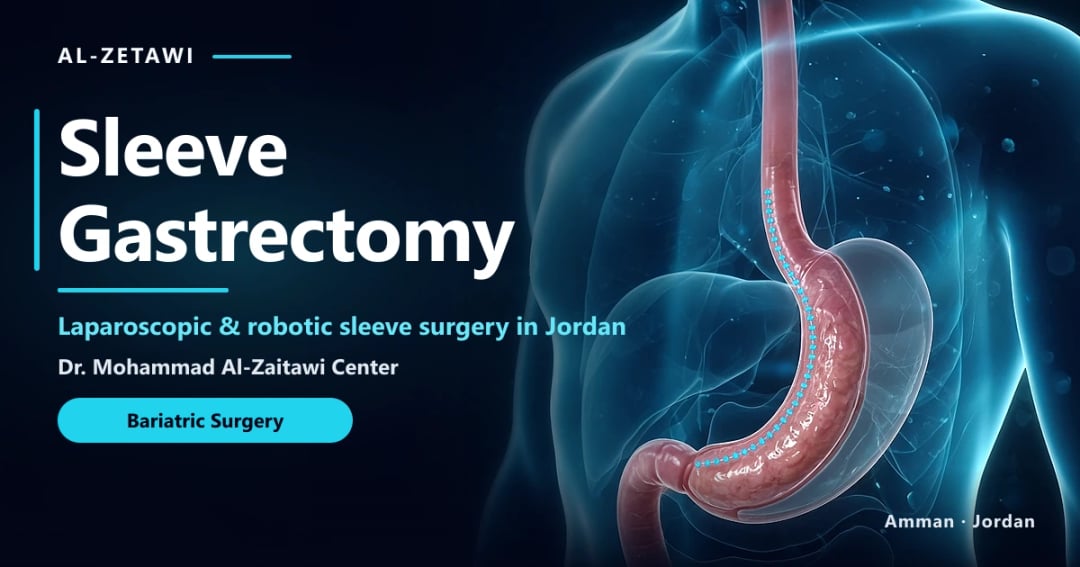
There is no single wait for bariatric surgery in Canada
If you searched for the bariatric surgery wait time in Canada, the useful answer is that Canada does not run one national queue. Waits differ by province, and they differ again by which step is being measured. The day your family doctor sends a referral is not the day you meet a surgeon, and the day you are accepted at a centre is not the day of the operation. A single number that claims to cover every health card in the country is not a number you can put on a calendar.
Ontario, British Columbia, Alberta, Quebec, and the other provinces organize bariatric care inside their own systems. They decide who assesses you, which hospital is allowed to operate, and how they publish the wait. A page written for people shopping for surgery abroad sometimes collapses all of that into one range and presents it as the Canadian wait. This guide will not do that. It will not print a national wait at all. The document that matters is the wait-time report for the province that issued your card, read for the step you are actually in.
A long public path is a common reason Canadian adults ask about private surgery. That question is fair. It is also a different question from the length of the queue. Provincial plans are built to fund care inside their own programs. Elective bariatric surgery in Jordan is a private payment. Dr. Mohammad Al-Zaitawi can review a file for an operation in a private hospital in Amman. He cannot look up your place on a provincial list, and he will not invent a wait for a city he does not hold the list for.
You can stay on the public path and ask for a private opinion at the same time. A file review does not cancel a referral. The medical decision, sleeve or bypass, still depends on reflux, diabetes, medicines, and whether you can keep up with vitamins after you go home. The length of the queue does not choose the operation.
Which step a wait-time number is actually measuring
People argue about waits because they are often timing different doors. One person starts the clock when the family doctor agrees to refer. Another starts it at the first group class. Another starts it when a surgeon says yes, and only then counts the months until the operating room. All three can describe the same province in the same year and still produce different stories at the dinner table. Before you compare your wait with a friend's, ask which door each of you used as day one.
Hospitals and ministries sometimes publish more than one interval on purpose. An early step can look short while the later step is long, or the other way around. A program can bring you to orientation quickly and still need months of assessment before anyone offers a date. Quoting only the early step, in an advertisement or in a frustrated post, makes the whole path sound either easier or harder than the report says. Ask for the name of the interval, not just the number of months someone remembers.
Steps that are easy to mix up
| Step | What it usually means | What it is not |
|---|---|---|
| Referral sent | A physician has asked the program to see you | A surgery date |
| Orientation or first class | An early education visit | Proof that you have been accepted for an operation |
| Assessment | Medicine, nutrition, and often mental health, plus tests | The operating-room queue by itself |
| Acceptance | The program has agreed to keep you on a surgical path | A promise of which operation, or of next week |
| Surgery | The date you are offered | The end of care. Follow-up continues |
| Follow-up | Visits after the operation, measured in many months | An optional extra you can skip |
When a website, a coordinator, or a relative gives you one figure for all of Canada, ask them which row they mean and which year's provincial report they read. If they cannot answer, you do not have a wait time. You have a slogan. Keep a one-line log of your own: the date the referral was sent, the date of the first class, the date anyone said you were accepted, and the operation name written down, if one has been written down yet.
How an Ontario referral reaches a designated centre
In Ontario, a physician refers you through the Ontario Bariatric Network. You do not enroll yourself by calling a hospital switchboard and asking for a sleeve. Accepted patients are seen at a designated centre. The centre is part of the public arrangement, not a clinic you pick from a map because the parking is easier. Your family doctor or nurse practitioner is the person who starts that referral. A surgeon in another country cannot file it for you.
After the referral, the work is assessment and education, not a straight line to the operating room. Tests are ordered. Nutrition is reviewed. Mental health is often part of the same path, because surgery changes how you eat for life and because untreated alcohol use, or an unstable mood disorder, can make the result unsafe. Smoking is a common reason for a pause. None of that is bureaucracy for its own sake. It is how a public program tries to avoid operating on someone who cannot yet manage the aftercare.
The centre, not the referral form, decides whether to offer surgery and which operation to name. London Health Sciences Centre, one of those Ontario centres, says its surgeons perform Roux-en-Y bypass and sleeve, and that the sleeve is used in specific situations. Read that sentence carefully if you have already decided the only operation you will accept is a sleeve. The public program is allowed to disagree with the operation you typed into a search box. Consent is a discussion. It is not a menu you can force.
If you live in Ontario and you are comparing a private trip, keep the referral alive while you compare. Tell the program if you later book surgery elsewhere, so you are not marked as having missed visits you never intended to attend. Silent disappearance can close a funded door you might still want. A review with our team does not notify Ontario. You would have to tell them yourself.
What London Health Sciences Centre says about time and coverage
London Health Sciences Centre is a useful public description because it is specific, and because it refuses to be a national average. The centre says assessment takes several months. It says follow-up continues for at least a year. It says OHIP covers those services. It says surgeons there perform Roux-en-Y gastric bypass and sleeve gastrectomy, with the sleeve used in specific situations. Those are statements about that program. They are not a timetable for Halifax, Winnipeg, Calgary, or Montreal, and they are not a secret code for how fast every Ontario centre moves.
Several months of assessment is a medical schedule, not a delay invented to frustrate you. In that stretch the team is asking whether an operation is safe, which operation fits, and whether you can do the eating plan and the vitamin plan afterward. People who arrive hoping the assessment is a rubber stamp are often surprised by the number of visits. People who use the visits to fix sleep apnea, stop smoking, and understand the difference between a sleeve and a bypass usually leave with a clearer consent, even if the calendar still feels slow.
OHIP coverage of those services matters when you build a budget. Inside an accepted Ontario path, you are not paying a self-pay surgeon's fee the way a patient without a public program would. You can still pay for travel to the centre, time off work, meal-replacement products, and vitamins. Coverage of the assessment and the operation is not a promise that every related cost is zero. It is a promise about the services the program has described as covered.
If your centre is not London, do not paste London's sentences onto your own letter and assume the intervals match. Ask your centre the same questions in your own words: how long assessment usually takes now, how follow-up is organized, which operations are performed, and when a sleeve is considered. Write down the answers next to the date. Your file, not a webpage about a different hospital, is the record.
Two clocks described by one northern Ontario program
One northern Ontario program has described a shorter trip from referral to orientation, and then months from acceptance to surgery. Both halves can be true at once. The first half answers how quickly you are brought in to start. The second half answers how long you still wait after someone has accepted you onto a surgical path. If you only hear the first half, you will pack a bag too early. If you only hear the second half, you will think nothing happens after the doctor sends the form.
This is the cleanest example of why a single provincial number misleads even inside Ontario. Northern and southern centres do not share one waiting room. Geography changes travel to appointments, access to tests, and how a program is staffed. A person in a large city with a centre nearby and a person who must fly or drive a long way to the same kind of appointment are not having the same experience of the same health plan, even when the coverage rules are the same on paper.
Use that description as a way to ask better questions, not as your personal forecast. If you are in that northern program, ask whether you are still in the referral-to-orientation stretch or already in the acceptance-to-surgery stretch. Those are different conversations with the booking office. If you are not in that program, do not borrow its description because it sounded shorter or longer than what a cousin in Toronto told you. Toronto is not northern Ontario, and neither of them is a national clock.
Bring the distinction with you if you ask us for a private review. Tell us which step you have finished. A person who has already completed nutrition visits and an endoscopy has a different file from a person who has only a referral receipt. We will not pretend the unfinished public steps do not matter. We also will not tell you to abandon a funded workup that is close to a date you still want.
Why another province is not a copy of Ontario
OHIP is Ontario. It is not a nickname for Canadian medicare. British Columbia's MSP, Alberta's plan, Quebec's RAMQ, and the plans of the other provinces and territories each have their own statutes, their own forms, and their own bariatric programs. A sentence that is true about a designated Ontario centre can be the wrong instruction in Vancouver or Montreal. When you read advice, check the province named in the first paragraph. If no province is named, the advice is too vague to use.
This guide will not invent BMI cutoffs for Quebec or British Columbia, and it will not borrow Ontario's pathway and quietly relabel it. Eligibility rules change, and they belong to the program that would operate on you. Ask that program, or read its current public page, for the criteria it is using this year. A forum post that lists a BMI number beside a provincial flag is not a policy. If you later compare private surgery, your measured height and weight still matter, but they do not need a fake provincial cutoff attached to them.
The same caution applies to speed. Some provinces publish detailed wait-time reports. Some publish a different kind of dashboard. Some put the practical answer in a letter from the clinic rather than on a public webpage. None of that variation is a reason to adopt a number from a different province because it was easier to find. Your health card decides which report you should open.
If you move provinces while you are waiting, assume the referral does not travel with you until the new province says it does. Tell both programs. A gap in coverage during a move is an administrative problem you want to solve before anyone is discussing an operation. Our team in Amman cannot repair a provincial enrollment. We can only read the medical facts you already have on paper.
How to use your provincial wait-time report
Start from the government's own page, not from a clinic advertisement that quotes the government. Find the report for bariatric surgery, or for the specific procedure if the report separates them. Read the definition beside the number. Ministries often say whether the clock starts at referral, at a decision to treat, or at some other booking point. That definition is the whole meaning of the figure. A number without a definition is not comparable to your neighbour's number.
Check the period the report covers. A report about last year is not a promise about the month you are in. Volumes change. Staffing changes. A program that paused elective surgery for any reason will not look like its old average the moment it resumes. If the report gives a single provincial figure, remember it can hide a large difference between centres. If it gives centres separately, read the centre that actually has your file, and read the note about how small numbers are handled. A centre that did few cases can swing wildly from one report to the next.
A short way to read the page
- Write down the name of the interval, not only the length.
- Write down the dates the report covers.
- Write down whether the figure is for the province or for one centre.
- Ignore any national range pasted above the official table by a different website.
- Ask your own program if the public report matches the step you are in today.
If you cannot find a report, call the program that holds the referral and ask them to describe your step in one sentence. Put that sentence in your log with the date of the call and the name of the person if they give it. That log will be more useful than any national article the next time someone tells you what all of Canada waits. It is also the note to send us if you want a private opinion while the public clock continues.
What the assessment months are meant to do
Assessment is the part people most want to skip, and it is the part that decides whether surgery is safe. A bariatric operation is not a diet with staples. A sleeve removes most of the stomach. A bypass adds a small pouch and two joins, and it changes the path of food. Either operation asks you to eat differently, to take vitamins, and to come back if you cannot keep fluids down. The assessment months are where a program finds out whether you can do that, and whether a different problem should be treated first.
Sleep apnea is a common example. Untreated apnea changes the risk of anesthesia. A CPAP machine arranged during the wait is not a detour. It is part of making an operation survivable and comfortable. Smoking is another. Many surgeons, in Canada and elsewhere, will not operate while you smoke, because smoking is tied to leaks, ulcers, and poor healing. Quitting during a wait is a use of the wait. Arriving at a private hospital still smoking usually means the private surgeon says the same word the public program said: not yet.
Blood pressure, diabetes medicines, reflux symptoms, and previous blood clots belong in the same folder. So does alcohol. Surgery changes how alcohol is absorbed and how quickly it affects you, and a pattern of heavy drinking is a reason to pause, not a detail to hide so the date arrives faster. Mental health support is part of many Canadian programs for the same reason. The goal is not to judge you. The goal is to avoid an operation that you cannot live with safely six months later.
If you are assessed in Ontario and later ask for a private operation, send those notes. Repeating a sleep study or an endoscopy without a reason wastes time and money. Hiding a recommendation, especially a recommendation of bypass because of your esophagus, is unsafe. We would rather read the Canadian opinion and agree or disagree in writing than start from a blank page that flatters the operation you searched for.
Why at least a year of follow-up belongs in the plan
London Health Sciences Centre describes follow-up of at least a year, covered by OHIP, as part of the bariatric service rather than as a courtesy after the real event. That framing is the right one. The operation is an afternoon or a short admission. The eating plan, the vitamin plan, and the watch for reflux, dehydration, or a stall in weight loss last much longer. A program that operates and then vanishes has not finished the treatment. A program that builds a year of visits into the covered path is describing the treatment more honestly.
The year is also how problems are caught while they are still manageable. Iron can fall. Vitamin B12 can fall. Vitamin D can fall. Reflux can appear after a sleeve even when heartburn was mild before. A bypass asks for attention to the joins and to medicines that irritate them. None of those issues requires you to memorize a complication rate. They require a clinician who will order labs and read them. Inside a provincial program, that clinician is built into the follow-up. If you leave the program for surgery elsewhere, you have to arrange a replacement on purpose.
Canadians who have surgery in Amman still need a clinician at home. We send a record of the operation and we remain reachable for the surgical questions that belong to the team that operated. We do not become your family doctor, and we cannot order Ontario blood tests from a clinic in Jordan. Emergency care in Canada is there if you are seriously unwell after you return. A year of routine bariatric visits is a different arrangement, and you should not assume the provincial program will adopt you into its follow-up clinic just because the operation has already happened.
Read vitamins after weight loss surgery before you decide the follow-up is a detail to solve on the plane. The vitamins are not optional decoration. They are how you avoid the malnutrition stories that follow badly planned surgery in any country. Budget for them. Ask a Canadian physician, before you pay anyone, whether they will see you and order labs after you land.
What to finish while your own clock is running
A wait is wasted if the only activity in it is refreshing a booking line. The tasks that every later surgeon will ask about can be finished now, whether the eventual operation is in your province or in Amman. Stop smoking, and keep the date you stopped. If you use a vape, say so. Many programs treat nicotine, not only cigarettes, as the issue. If you have sleep apnea, wear the CPAP and bring the summary. If a dentist has been recommending extractions, the protein-limited weeks after surgery are a poor time to start them.
Ask your family doctor for a one-page list: medicines with doses, diabetes history, reflux symptoms, previous operations, and any endoscopy. Ask for recent labs if they exist, including HbA1c if you have diabetes or prediabetes. You are not collecting souvenirs. You are building the file that lets a program, or a private surgeon, avoid repeating tests and avoid guessing. Put the provincial log in the same folder: referral date, orientation date, acceptance if it has happened, and the operation they have named if they have named one.
A practical list for the months you already have
- Stay reachable. Missed public visits can close a door you still want.
- Write down heartburn, regurgitation, and any night symptoms. Do not tidy them away.
- Confirm who would order blood tests if you ever had surgery away from the program.
- Check current passport rules for any trip you are only considering. Do not buy a non-refundable ticket first.
- Separate a private price from a public wait. One does not cancel the other.
Use the public visits if you are in them. Orientation and nutrition classes are not hoops invented by someone who enjoys forms. They are the language you will need after any operation, including a private one. A person who has already learned the stages of eating and the reason for vitamins is safer on postoperative day three than a person who first hears those words in a hospital room in another country.
Why a long public wait is not out-of-country approval
A long wait is the reason many Canadians look at surgery abroad. It is not the same thing as written prior approval to have the province pay for that surgery. Ontario's out-of-country prior approval is narrow. It is aimed at care that is not available in Ontario, or at a delay that would cause death or irreversible tissue damage. Sleeve and bypass operations are performed in Ontario. A frustrating queue is not, by itself, that written test. Read the ministry page, and ask in writing, before you spend money you hope to recover.
Apply the same caution outside Ontario without pretending the forms are identical. MSP and RAMQ are different plans. The safe assumption, until the plan that insures you writes yes, is that elective bariatric surgery abroad is private. A coordinator who says your province is the friendly exception needs to show you a letter with your name on it, dated before you pay a deposit. A brochure, a group chat, or a verbal promise from someone who does not work for the ministry is not that letter.
This center does not submit claims to OHIP, MSP, RAMQ, or any other provincial plan. The invoice for surgery in Amman is a private invoice. If Ontario, or another province, ever told you in writing that it would fund a specific operation outside Canada, that would be between you and that plan, and you would want the letter in your hands before you travelled. We will not translate a hope into a benefit, and we will not tell you the wait itself is the approval.
Emergency care after you come home is a separate subject. If you are seriously ill, you go to a Canadian emergency department. That visit does not rewrite the funding of the original operation, and it does not supply a year of dietitian appointments. Plan the private bill as a private bill. Then plan the follow-up as its own problem, with a clinician in Canada who has agreed to see you.
The operation is still sleeve or bypass, not the queue
The search that brought you here is about time. The decision that will affect you for years is about anatomy. A sleeve gastrectomy removes about 80 percent of the stomach and leaves the intestine in its usual course. A Roux-en-Y gastric bypass makes a small pouch and two joins, so food no longer travels the old path through the stomach and the first part of the small bowel. Both operations are used in Canadian centres. They are not interchangeable just because one of them has a shorter advertisement.
Reflux is the fork most people feel. Severe heartburn, regurgitation, esophagitis, a large hiatal hernia, or Barrett's esophagus usually points the discussion toward bypass. A sleeve can leave reflux in place or make it worse, which is why an Ontario centre may describe the sleeve as an operation for specific situations rather than as the default. Hiding heartburn to keep a sleeve on the consent form is how people end up discussing a second operation later. Say the symptoms in plain words, including the ones that wake you at night.
Weight-loss summaries do not crown a winner you must obey, and they do not change because you waited. A Harvard summary describes about 25 percent of body weight after a sleeve and about 33 percent after a bypass, as group figures, not as a promise to you. The SM-BOSS trial found 61.1 percent excess BMI loss after sleeve and 68.3 percent after bypass at five years. That difference was not statistically significant. The same trial found less reflux after bypass. PMID 29340679 is the paper. Your own result still depends on eating, walking, alcohol, and follow-up.
International surgical societies, in the 2022 ASMBS and IFSO statement, recommend surgery at a BMI above 35 and say it can be considered from 30 to 34.9 when metabolic disease is present. PMID 36336720. That statement is not an OHIP rule and it is not a quota. Provincial programs set their own criteria. We will not pretend a society paragraph overrides the centre that holds your health card. We will use it, with your file, when we are asked for a private opinion. The wider guide is weight loss surgery.
A private review in Amman can sit beside the public list
Asking for a review is not a decision to fly. It is a request that a surgeon read the same facts a Canadian program reads: height and weight as measured, diabetes and the medicines used for it, reflux, previous operations, sleep apnea, smoking, and whether you can take vitamins after you return. If the file supports an operation, you then hear which operation and what a private timetable could look like. If the file says wait, because you smoke or because alcohol use is untreated or because the esophagus needs a different plan, you hear that too.
Many international patients who have a straightforward sleeve plan about a week in Amman. A straightforward sleeve often means one or two nights in hospital inside that week. Fit-to-fly is an individual decision made after surgery, not a promise printed on an itinerary before anyone has met you. A bypass, a revision, or any case that is not straightforward is planned on its own facts. Do not buy a non-refundable return for the morning after a discharge that has not happened.
The published reference average for a sleeve at this center is about USD 2,500. The figure that binds is the written quote after the file is reviewed, because the operation, the hospital, and the length of stay can change it. Flights are extra. A bypass is not given the sleeve price under another name. Private surgery inside Canada is a third comparison, commonly quoted in the tens of thousands of Canadian dollars and different from city to city. None of those prices is a provincial wait, and none of them is paid by the provincial plan just because the wait feels long.
Keep your public appointments while you wait for a written opinion. If a date in Canada appears and you prefer it, take it. A private review is information. It is not a contract until you accept a quote. Read cost and packages for how the reference price is framed, and what to check before surgery abroad for the checklist that applies to any country, including Jordan.
How to ask for a review without leaving the public list
Send the referral status in one line, then the medical facts. Say which province insures you, whether a physician has already referred you, and which step you are in. Attach the medicine list, the latest HbA1c if you have it, any endoscopy, and the operation a Canadian surgeon has already named if one has been named. Say whether you wake with acid. Say whether you smoke or vape. Those facts change the recommendation more than the length of the queue does.
Say, explicitly, that you intend to keep the provincial place unless you later decide otherwise. We will not instruct you to miss an Ontario, British Columbia, Alberta, or Quebec appointment. We will tell you if the records already show that a sleeve is a poor match. That sentence is useful inside the public program as well. If we need a test you have not had, we will say which test, and we will not invent a reason to repeat one you had last month.
Check official entry rules for your passport before you buy a ticket. This page does not describe visa rules, because those rules change and they are not a medical fact. A companion, a hotel, and meals outside the hospital are travel costs. Travel insurance should be told that you are travelling for elective surgery. Many ordinary policies exclude planned operations and the problems that follow them. Read the exclusion before you fly, not after a fever starts in a departure lounge.
The price you can budget is the written quote, not a screenshot. The hospital in Amman is named before you book. The clinic is in Shmeisani, Hanin Bin Ishaq Street, Al-Husseini Medical Complex 1, opposite Specialty Hospital, Amman. Surgery, when it is appropriate, is done in a private hospital in Amman. That hospital is named before you book. It is not the same building as the clinic. You can reach the team on WhatsApp +962 7 9570 2800. You can request a case review while your provincial clock keeps running. Practical notes for the trip, if you later choose it, sit on the international patients page.
Questions patients ask
These answers are general. Your file, your medicines, and your endoscopy can change them.
Why do some websites say two to four years?
Does a long wait mean OHIP will fund surgery abroad?
Is the sleeve what Ontario offers?
Can I stay on the public list and ask Amman at the same time?
Medical note from Dr. Mohammad Al-Zaitawi
I will not quote a wait I cannot look up for your postal code. I can tell you whether your file supports an operation in Amman and how soon that path can be planned.
Scientific references and guidance
These sources support the medical information on this page. If you want this guidance applied to your own case, send us your details for an initial review.
Reviewed by Dr. Mohammad Al-Zaitawi
Prefer a quicker route? Try the free case review or see bariatric surgery costs in Jordan.