
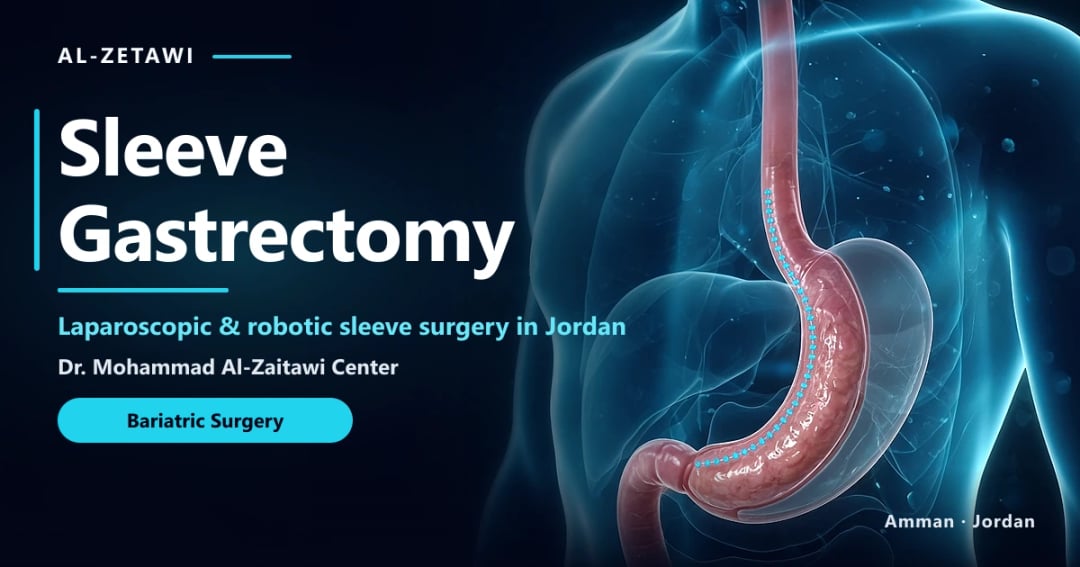
What Is Weight Loss Surgery?
Weight loss surgery, also called bariatric or metabolic surgery, is a group of operations that help selected adults lose a large amount of weight and improve diseases linked to obesity, especially type 2 diabetes, high blood pressure, sleep apnea, and fatty liver disease. The operations change the size or the route of the stomach. They also change gut hormones that control hunger and blood sugar. They are not a diet, and they are not a cosmetic procedure.
In the United States and Canada, people usually search for this care with the words weight loss surgery, bariatric surgery, gastric sleeve, or gastric bypass. Those names describe the same field. Sleeve gastrectomy and gastric bypass are the two operations performed most often. A gastric balloon is a temporary device, not an operation that removes or reroutes the stomach. The right choice depends on body mass index, reflux, diabetes, previous surgery, medicines, and whether a person can follow vitamin and diet instructions for life.
The 2022 joint statement from the American Society for Metabolic and Bariatric Surgery (ASMBS) and the International Federation for the Surgery of Obesity and Metabolic Disorders (IFSO) is the current international reference for who should be offered this surgery. It updated the older 1991 National Institutes of Health thresholds. The National Institute of Diabetes and Digestive and Kidney Diseases (NIDDK), part of the U.S. National Institutes of Health, and patient pages from Mayo Clinic and the U.K. National Health Service describe the same operations in plain language. This guide uses those sources, then explains how care is arranged in Amman for adults traveling from the United States and Canada.
What surgery does, and what it does not do
- It reduces hunger and the amount of food that feels comfortable at one meal.
- It can improve type 2 diabetes, blood pressure, cholesterol, sleep apnea, and fatty liver disease in many patients. Improvement is not guaranteed for every person.
- It does not remove the need for protein, vitamins, movement, and follow-up.
- It does not replace treatment for an untreated eating disorder, active alcohol misuse, or an untreated severe mental health condition.
Dr. Mohammad Al-Zaitawi reviews the medical file before any travel date is set. The operation, if surgery is appropriate, is done in a private hospital in Amman. The hospital is named before booking. The clinic itself is in Shmeisani, Hanin Bin Ishaq Street, Al-Husseini Medical Complex 1, opposite Specialty Hospital. You can request a case review or read the practical steps for international patients.
Who Should Consider Weight Loss Surgery?
Surgery is a treatment for the disease of obesity. It is considered when excess weight is harming health, and when diet, activity, and medicines have not produced a loss that lasts. Body mass index is still the number clinics use to start that conversation, even though BMI does not measure every health risk.
| Situation | What the 2022 ASMBS/IFSO statement says |
|---|---|
| BMI above 35 kg/m² | Metabolic and bariatric surgery is recommended, whether or not an obesity-related disease is already present |
| BMI 30 to 34.9 kg/m² with metabolic disease | Surgery should be considered, especially when type 2 diabetes is not well controlled |
| BMI 30 to 34.9 kg/m² after non-surgical care has not lasted | Surgery should be considered for suitable adults |
| Asian populations | Clinical obesity is recognized from a BMI above 25, and surgery should be considered from a BMI above 27.5 |
| Adolescents | Selected adolescents may be considered in experienced programs. This page is written for adults |
A BMI of 35 at a height of 5 feet 6 inches is roughly 217 pounds. A BMI of 40 at the same height is roughly 248 pounds. Use the BMI calculator for your own numbers, then treat the result as a starting point, not a decision. Age alone is not a fixed cutoff. Frailty, heart and lung reserve, and the likely benefit matter more than a birthday.
Diseases that often change the decision
- Type 2 diabetes. Surgery can lower blood sugar within days, before most of the weight is gone, because food reaches the lower intestine sooner and insulin works differently. Longer diabetes and insulin use make full remission less likely, but medicine doses often fall.
- Reflux and heartburn. A sleeve can worsen reflux in some people. A Roux-en-Y bypass often improves it. This is one of the main reasons a bypass is chosen instead of a sleeve.
- Sleep apnea, high blood pressure, fatty liver disease, and joint pain. These often improve as weight falls. CPAP and blood-pressure medicines are reassessed. They are not stopped on the day of surgery.
- Polycystic ovary syndrome and fertility. Cycles may become more regular. Pregnancy is usually delayed for 12 to 18 months so weight and vitamin levels can stabilize.
When surgery should wait
- Current tobacco use, until smoking has stopped. Smoking raises leak and ulcer risk.
- Untreated alcohol or substance misuse. Gastric bypass in particular is linked with a higher chance of alcohol-use problems afterward.
- An active eating disorder or an unstable severe psychiatric illness, until the treating clinician says surgery is safe to plan.
- Inability to take vitamins or attend follow-up, including remote follow-up after you fly home.
- A medical condition that makes anesthesia unsafe until it is treated.
American and Canadian patients often already have a primary-care physician, an endocrinologist, or a sleep study. Send those records. A second opinion from Amman does not erase your home doctors. It tells you whether an operation, and which operation, is reasonable.
Types of Weight Loss Surgery
Most adults who have an operation have either a sleeve or a bypass. The other choices below are used for specific situations. None of them is automatically better. The comparison is about reflux, diabetes, previous surgery, and how much intestinal rerouting you are prepared to live with.
Sleeve gastrectomy
A sleeve gastrectomy removes about 80 percent of the stomach along the outer curve, leaving a narrow tube. The intestine is not rerouted. People feel full sooner, and ghrelin, a hunger hormone made mainly in the removed part of the stomach, falls. The sleeve is the most common weight loss operation in the United States. It is a strong choice when reflux is mild or absent. It is a weaker choice when heartburn, esophagitis, or Barrett's esophagus is already a problem. Vitamin needs are real but usually simpler than after a bypass. A robotic sleeve gastrectomy uses the same stomach operation with a robotic platform when that platform adds precision for that patient. The robot does not change the diet or the expected weight loss.
Roux-en-Y gastric bypass
A Roux-en-Y gastric bypass builds a small stomach pouch, about the size of an egg, and connects it to a limb of small intestine. Food skips most of the stomach and the duodenum. The rest of the stomach stays in the body and still makes fluid, but food no longer enters it. Bypass tends to control reflux better than a sleeve and has a long record in type 2 diabetes. It requires lifelong vitamins and blood tests because iron, vitamin B12, calcium, and vitamin D are absorbed less reliably. Anti-inflammatory painkillers such as ibuprofen are avoided because they raise the risk of an ulcer at the new connection.
Mini gastric bypass
A mini gastric bypass, also called one-anastomosis gastric bypass, makes one connection instead of two. The pouch is longer than a classic bypass pouch. Weight loss and diabetes improvement are strong in published series. Bile reflux can occur in some patients, so it is not the default operation when reflux is the main problem. It is discussed after endoscopy and a review of diabetes medicines, not from a photo or a BMI alone.
SASI
SASI combines a sleeve with one connection from the stomach tube to the lower small intestine, while the normal path for food also stays open. Early studies show large weight loss. The long-term evidence is smaller than the evidence for sleeve and Roux-en-Y bypass. It is an option for selected patients, not the first operation for everyone.
Gastric balloon and other non-surgical tools
A gastric balloon is a temporary device filled inside the stomach, or in some systems swallowed as a capsule. It is not weight loss surgery. It can help selected people lose weight over several months. The device is later removed or passes, and weight can return if eating habits do not change. It does not replace a sleeve or a bypass for a person with a BMI above 35 and established metabolic disease.
Revision surgery
Weight can return, reflux can start after a sleeve, or a pouch can enlarge. revision bariatric surgery means a planned second operation after the cause is identified. A sleeve with severe reflux is often converted to a bypass. A revision is more complex than a first operation. It is not booked because a number on the scale moved. It is booked after endoscopy, eating history, and vitamin labs.
Sleeve vs Bypass: How to Choose
Patients from the United States and Canada usually arrive with one question: sleeve or bypass. Randomized trials that followed people for five years or longer give a clear, limited answer. Both operations produce large weight loss. Bypass has a modest edge for weight and a clearer advantage for reflux. Sleeve avoids intestinal rerouting and has a lower burden of ulcers and internal hernia.
| Question | Sleeve gastrectomy | Roux-en-Y gastric bypass | Mini gastric bypass |
|---|---|---|---|
| What changes | Most of the stomach is removed | Small pouch plus two intestinal connections | Longer pouch plus one intestinal connection |
| Hunger and portions | Smaller meals, less hunger for many people | Smaller meals plus stronger hormone and food-preference changes | Similar metabolic effect, one join |
| Reflux | Can stay the same or get worse | Often improves | Bile reflux is a known risk |
| Type 2 diabetes | Often improves | Often improves, with a long evidence record | Often improves in published series |
| Vitamins for life | Yes, usually a simpler plan | Yes, iron, B12, calcium, and vitamin D need close checks | Yes, monitoring is essential |
| Access to the stomach with a scope later | Normal | The bypassed stomach is hard to reach | The bypassed stomach is hard to reach |
| Best fit | Higher BMI without significant reflux | Reflux, Barrett's esophagus, or harder-to-control diabetes | Selected patients after a full reflux review |
What the trials actually found
- SM-BOSS, a Swiss randomized trial published in JAMA in 2018, compared sleeve and bypass. At five years, excess weight loss was about 61 percent after sleeve and about 68 percent after bypass. That difference was not statistically significant. Reflux improved more often after bypass.
- SLEEVEPASS, a Finnish randomized trial also published in JAMA in 2018, found a similar pattern at five years: slightly more weight loss after bypass, and more reflux symptoms after sleeve. Later follow-up continued to show that gap in reflux.
- STAMPEDE, a U.S. trial from the Cleveland Clinic published in the New England Journal of Medicine, compared surgery with intensive medical care in people with type 2 diabetes. At five years, an HbA1c of 6 percent or lower was reached by about 29 percent after bypass and about 23 percent after sleeve, compared with about 5 percent in the medical-therapy group.
These trials were not performed in Amman, and they do not predict one person's result. They are the reason a careful clinic does not promise that one operation is always superior. If heartburn is already waking you at night, that fact often matters more than a five-point difference in average weight loss. If you need ibuprofen for chronic pain, a bypass becomes harder to recommend. If you cannot commit to blood tests after you return to the United States or Canada, neither intestinal bypass is a good plan.
What Results Do Major Studies Report?
Honest counseling uses averages from large studies and then says that your result can be higher or lower. Surgery produces more weight loss, kept for longer, than diet advice alone. It does not produce the same number of pounds for every body.
| Time after a sleeve or bypass | What large series usually show | What this does not mean |
|---|---|---|
| First 3 months | The fastest loss, often about 15 to 20 percent of starting weight | A very fast start is not a target to beat with crash dieting |
| 6 months | Many people are around halfway toward their lowest weight | Hunger returning a little is normal |
| 12 to 18 months | Often about 25 to 35 percent of starting weight, depending on the operation and behavior | This is an average range, not a guarantee |
| 10 years | A large share of the loss is kept if follow-up continues | Some regain is common and needs a review, not shame |
A Utah study published in the New England Journal of Medicine in 2017 followed gastric bypass for 12 years and found that people kept, on average, about 27 percent of their starting weight off. The Swedish Obese Subjects study, also in the New England Journal of Medicine, found fewer deaths over the long term in people who had surgery than in similar people who did not. Those papers support surgery as a disease treatment. They are not advertisements for a single hospital.
Health changes that matter as much as the scale
- Type 2 diabetes medicines are often reduced. Remission is more likely when diabetes has been present for fewer years and insulin has not been required for long.
- Blood pressure and cholesterol commonly improve. Do not stop prescriptions on your own during travel.
- Sleep apnea often eases. A repeat sleep study at home decides whether CPAP can change.
- Fatty liver inflammation often improves. This is one reason surgery is discussed for metabolic disease, not only for clothing size.
- Knee and back pain often ease because the joints carry less load. Arthritis that is already severe may still need its own care.
Weight regain of some pounds after the lowest point is expected. Regain becomes a medical problem when meals get larger, liquid calories return, reflux starts, or a vitamin level falls. That is the moment for a structured review, not for another operation by default.
Risks of Weight Loss Surgery
Every abdominal operation has risk. In experienced programs the chance of dying in the first month is low, but it is not zero. Bleeding, a leak from a staple line or a join, infection, and blood clots are the early problems teams watch for. Later problems depend on which operation you had.
| Problem | When it tends to appear | What reduces the chance |
|---|---|---|
| Leak | First days to first weeks | Surgical technique, leak testing, and not eating solid food too early |
| Bleeding | First days | Blood-pressure and blood-thinner planning before surgery |
| Blood clot | First weeks, including after flights | Walking early, compression, and medicine when your risk is higher |
| Dehydration | First two weeks | Measured fluids, and calling if you cannot drink |
| Ulcer at a bypass connection | Months to years | No smoking, and avoiding ibuprofen and similar drugs |
| Narrowing at a join | First months | Technique and, if needed, an endoscopic stretch |
| Internal hernia after bypass | Months to years, often with pain | Closing the internal spaces at surgery, and urgent review of severe pain |
| Vitamin deficiency | Months to years | The prescribed vitamins and scheduled blood tests |
| Reflux after sleeve | Months to years | Choosing bypass instead when reflux is already severe |
| Alcohol-use disorder | More often discussed after bypass | Honest screening before surgery and avoiding alcohol afterward |
Warning symptoms after you leave the hospital are persistent vomiting, a heart rate that stays high, fever, worsening abdominal pain, calf swelling, chest pain, or breathlessness. Those are reasons to contact the team immediately, and to use local emergency care if you are already home. A message the next morning is the wrong plan for those symptoms.
The Longitudinal Assessment of Bariatric Surgery, a U.S. multicenter study published in the New England Journal of Medicine, is one of the references surgeons use when they explain early safety. Read it as a description of accredited programs, not as a promise that a complication cannot happen to you.
Life After Weight Loss Surgery
The operation takes a few hours. The eating pattern lasts for years. People who do well treat protein, fluids, and vitamins as part of the treatment, the same way a person with diabetes treats insulin or a person with a transplant treats anti-rejection medicine.
Diet stages
- Clear and then full liquids in the first days, sipped slowly.
- Pureed food, with protein first, once your written plan allows it.
- Soft foods, still in small portions, chewed until they are paste.
- Regular textured food, usually by about six to eight weeks, still with protein at the start of the meal.
Carbonated drinks, sugary liquids, and drinking with large bites of food cause discomfort and can slow progress. After a bypass, very sweet or very fatty food can cause dumping: a rush of heartbeat, sweating, cramps, and sometimes diarrhea. That symptom is a signal to change the meal, not a reason to lie down and continue the same snack.
Vitamins and blood tests
ASMBS nutrition guidance expects lifelong supplements after these operations. The usual list is a bariatric multivitamin, vitamin B12, iron when your labs require it, calcium citrate, and vitamin D. The dose is set from your blood tests, not from a social-media chart. Sleeve patients need this follow-up too. Bypass patients need it more strictly because the duodenum is skipped. Plan the lab draws with your physician in the United States or Canada at the intervals you are given before you fly home.
Pregnancy, alcohol, and medicines
- Wait about 12 to 18 months before pregnancy. Use reliable contraception in the meantime. Fertility can return before you expect it.
- Avoid alcohol, especially after bypass. Absorption changes, intoxication can be faster, and the risk of an alcohol-use disorder is higher than many people expect.
- After bypass, do not take ibuprofen, naproxen, or similar anti-inflammatory drugs unless your surgeon has agreed to a specific plan. Acetaminophen is the usual pain medicine.
- Extended-release pills may not be absorbed the same way after a bypass. Your home pharmacist should review the list.
Hair thinning around months three to six is common and usually temporary. It reflects the rapid loss and a shortfall of protein or iron if those are low. It is not a sign that the operation failed. Strength training, once your surgeon clears it, protects muscle while fat is lost. Walking starts in the hospital.
Weight Loss Surgery for Patients from the USA and Canada
People in the United States and Canada look up weight loss surgery because local programs can involve a long insurance pathway, a required waiting period, or a cash price that is difficult to pay. Traveling to Jordan is a medical decision plus a logistics decision. It is reasonable only when the operation, the hospital, the surgeon, and the follow-up after you land at home are all clear before you buy a ticket.
What is arranged before you fly
- A file review: weight history, BMI, medicine list, diabetes records, reflux symptoms, sleep study if you have one, and previous abdominal operations.
- A recommendation for sleeve, bypass, another procedure, or no surgery. No surgery is an acceptable outcome of a review.
- The name of the private hospital in Amman where the operation would be done. The clinic in Shmeisani is where consultation and follow-up visits happen. The operating room is not the clinic.
- A written plan for how many nights you should expect in Amman. Many international patients are asked to allow about 7 to 10 days, including one or two hospital nights. Your clearance to fly is individual.
- A vitamin and diet plan you can continue in your own city, plus the symptoms that mean you need an emergency department rather than a chat message.
What you should confirm yourself
- Passport entry rules for Jordan on the date you travel. Do not rely on a forum post from last year.
- How your U.S. or Canadian insurance treats complications after an operation done abroad. Many plans do not pay for the surgery itself and may limit later care. Ask your insurer in writing.
- Who your local physician will be for blood tests and urgent problems after you return.
- Time off work. Desk work is often possible in about two to three weeks. Heavy lifting takes longer.
A quote is prepared after the file review, because the hospital, the tests, and the operation are not the same for every person. This page does not publish a single price. The current description of what a package can include is on the cost and packages page. Questions about flights, a companion, and remote follow-up are answered on the international patients page.
The clinic address for the consultation is Amman, Shmeisani, Hanin Bin Ishaq Street, Al-Husseini Medical Complex 1, opposite Specialty Hospital. The phone is +962 7 9570 2800. WhatsApp uses the same number. The map link is https://maps.app.goo.gl/mu8CeqBMatPkU9EK7.
How Care Is Planned in Amman
Dr. Mohammad Al-Zaitawi is a consultant in bariatric, laparoscopic, and robotic surgery. The plan is built from your records and, once you arrive, from examination, blood tests, and usually an upper endoscopy. A person with severe reflux is not offered a sleeve simply because a sleeve is the most searched operation. A person who needs daily ibuprofen is not offered a bypass simply because bypass has the longest history.
The usual sequence
- Remote review of the history, medicines, and BMI.
- A proposed operation, or a recommendation to stay with non-surgical care.
- Pre-travel instructions, which may include stopping smoking, adjusting diabetes medicines, and a short liver-shrinking diet.
- Arrival, in-person assessment, and the hospital admission.
- The operation under general anesthesia, through small incisions in most cases.
- Walking within hours, a liquid diet, and discharge after the usual one or two nights if recovery is straightforward.
- Clinic review before you fly, then scheduled remote follow-up.
Robotic instruments are a way of performing a sleeve or another laparoscopic operation. They are used when they help that operation, not as a separate promise of more weight loss. The stomach or intestinal result is what determines diet and vitamins, not the brand of the camera.
Bring a companion if you can. The first week is easier with someone who can walk with you, track fluids, and hear the discharge instructions. Bring your medicine list in generic names. Extended-release diabetes or blood-pressure drugs may need a change around the operation, and that change should be written down for your doctor at home.
What to Send Before a Case Review
A useful opinion starts with documents, not with a screenshot of a scale. Adults writing from the United States or Canada can send the file before they ask for dates. If a document is missing, say so. Guessing a lab value is worse than leaving the line blank.
The minimum file
- Height, current weight, and a rough highest weight. The BMI is calculated from those numbers.
- A medicine list with doses, including insulin, blood-pressure pills, reflux medicine, blood thinners, and anything bought without a prescription.
- Whether you smoke, vape, or drink alcohol, and how often. This changes safety more than it changes the sales conversation.
- Reflux symptoms: heartburn, regurgitation, a known hiatal hernia, or a previous endoscopy.
- Previous abdominal operations, especially any stomach or weight loss procedure.
- Recent basic blood tests if you have them: blood count, kidney function, and, when relevant, HbA1c.
- A sleep-study summary if you use CPAP.
Photos are optional. They do not show reflux, diabetes duration, or whether the liver is large. An endoscopy report and a hemoglobin A1c tell more than a front-facing picture.
How the answer comes back
The reply should name one of four paths: sleeve, bypass or a related bypass, a non-surgical option such as a balloon, or no procedure yet. It should say why. If the reason is missing records, the next step is the record, not a deposit. If the reason is smoking or an untreated alcohol problem, the next step is treatment at home. If the reason is severe reflux, the operation on the table is usually a bypass, and the sleeve page is the wrong place to pay.
Ask for the hospital name before you book flights. The consultation office is the clinic in Shmeisani, opposite Specialty Hospital. The operation is in a private hospital in Amman, chosen with the package and named before you commit. Those are two different buildings. A page that blurs them is not describing this center.
Questions your home doctor can answer faster than we can
Your physician already knows your heart history, your last anesthesia, and whether a blood thinner can stop. Ask them for a one-page summary if your history is complicated. Bring the name and phone number of the clinician who will see you in the first month after you land back in the United States or Canada. Surgery abroad without a local doctor for the blood tests is an incomplete plan, even when the operation itself is straightforward.
None of this replaces an in-person exam after you arrive. A file review can rule an operation in or out. It cannot listen to your chest or see a last-minute change in your pulse. The day you land is still a medical day, not only a hotel day.
If you already had a sleeve, a band, or a bypass, send the old operative note if you can find it. The name of the hospital and the year are useful even when the note is lost. Revision is a different operation from a first procedure, and the page for revision surgery is the right place to read the options. Do not assume a second sleeve is the default. Scar tissue, reflux, and how much weight you regained all change the choice.
Keep a copy of everything you send. Bring the same file on your phone when you fly. Emergency departments in the United States and Canada ask for the operation name, the date, and the surgeon. A clear one-page summary is easier to hand over than a long chat thread. We can prepare that summary before you leave Amman.
The First Year After You Return Home
The flight home is the start of the treatment, not the end of it. Patients in the United States and Canada do best when the first year is scheduled before they leave Amman: who orders the blood tests, who adjusts diabetes and blood-pressure medicines, and which symptoms skip the message app and go straight to an emergency department.
A practical follow-up calendar
- First two weeks. Fluids are the job. Most adults aim to sip through the day rather than drink a large glass at once. Urine should be pale. Call if you cannot keep fluids down for more than a few hours, or if your heart rate stays high while you are resting.
- Weeks two to eight. Protein becomes the center of each meal as textures advance. A common nutrition target in ASMBS guidance is at least 60 grams of protein a day, sometimes more, built from shakes at first and then from food. Your written plan is the one you follow if it differs.
- Month three. Energy often returns. Hair shedding can start. This is a lab point for iron, B12, vitamin D, and folate if your plan includes it. Do not add random supplements from a store shelf on top of the prescribed set.
- Months six and twelve. Weight loss slows. That slowdown is expected. The review looks for grazing, liquid calories, reflux, and vitamin gaps. A bypass patient who starts using ibuprofen again needs a specific conversation, not a refill.
- Every year after that. Blood tests continue. Pregnancy planning, bone health, and alcohol use stay on the list. A sleeve patient with new nighttime heartburn needs endoscopy advice, not antacids alone for months.
Working with doctors at home
Your primary-care physician does not have to have performed the operation in order to keep you safe. They do need the operation name, the date, the vitamin list, and the warning symptoms. Ask them to add those facts to your chart in the first week you are back. If you use a patient portal, upload the discharge summary yourself so it is not stuck in a suitcase.
Insurance in the United States is often tied to a local program's rules: supervised diet months, a psychological evaluation, and a specific BMI. Those rules do not automatically transfer to an operation in another country, and they do not disappear as medical standards. If you were in the middle of a U.S. or Canadian workup, bring the dietitian notes and the psychologist's letter. They make the Amman review better. They are not a barrier we ignore.
What success looks like at one year
Success is not the lowest number on a home scale. It is a lower weight that you can eat around, fewer or lower-dose medicines when your doctors agree, the ability to walk a distance that was hard before, and labs that are not hiding a vitamin deficiency. Some people lose more than the study averages. Some lose less and are still healthier. A return of 10 or 15 pounds from the lowest point, while protein and strength training are in place, is a common pattern and not by itself a failed operation.
If the loss never really starts, or if weight returns quickly with enlarging portions and new reflux, that is a structured review. Endoscopy and a food history come before any talk of a second operation. Revision surgery is available in Amman for the right anatomical problem. It is not a refill for a hard year.
Questions to Ask Before You Book
Use these questions with any surgeon, in any country. A clear answer is part of safe care. A vague answer is a reason to pause.
- Which operation do you recommend for me, and what in my reflux, diabetes, or surgical history drives that choice?
- What are the alternatives, including no operation and a gastric balloon?
- Which hospital will be used, and will I know its name before I pay?
- How many nights should I plan in the hospital and in Amman before a flight is reasonable for me?
- Who answers me if I vomit, have a fever, or have severe pain after I am back in the United States or Canada?
- Which vitamins do I start, and which blood tests should my home doctor order at three months, six months, and one year?
- What will the written quote include, and what costs extra if a test or an extra night is needed?
- If I already had a sleeve, what finding would make a revision appropriate, and what finding would not?
Bring the answers home in writing. A good plan still works when you are jet-lagged and the person who heard the instructions is not in the room.
Medical note from Dr. Mohammad Al-Zaitawi
The operation should match the person. Reflux, diabetes medicines, and the ability to follow vitamins after you fly home decide more than the most popular name on a search page.
Scientific references and guidance
These sources support the medical information on this page. If you want this guidance applied to your own case, send us your details for an initial review.
Reviewed by Dr. Mohammad Al-Zaitawi
Prefer a quicker route? Try the free case review or see bariatric surgery costs in Jordan.