
Can I Get a Gastric Sleeve on the NHS?
Yes, you may be able to get a gastric sleeve on the NHS, but it is not automatic and it is not something you can simply request and book. The NHS says weight loss surgery may be available if your BMI is 40 or more, or between 35 and 40 with a condition that might improve if you lost weight, and you agree to make healthy lifestyle changes and attend regular check-ups.
That sentence carries more conditions than it first appears to. Meeting the BMI figure is a starting point, not a ticket. The NHS is clear that a BMI of 40 does not guarantee an operation, and availability varies across different parts of the UK. Your GP, your local weight management service and a specialist bariatric team all have a say, and the local commissioning policy that applies to your postcode sets the detailed rules your referral will be judged against.
It also matters that the NHS does not offer a sleeve as a product you choose from a menu. It offers weight loss surgery, and the operation itself is decided by the surgical team after assessment. A sleeve gastrectomy is one of the operations most commonly performed on the NHS, alongside the gastric bypass. If you arrive at an appointment determined to have a sleeve, you may still be advised to have something different because of your reflux history or other findings.
This guide walks through the national criteria, the extra layers that some local NHS policies add, the steps between your first GP appointment and an operating theatre, the reasons people are turned down, and what changes if you decide to pay privately in the UK or abroad. Each section answers a different part of the question, so you can jump to the one that matches where you are. Nothing here replaces a conversation with your own GP, who can see your records and knows which local policy applies to you.
What BMI Do You Need for Weight Loss Surgery on the NHS?
The headline figures on the NHS public page are a BMI of 40 or more, or a BMI between 35 and 40 together with a health condition that might improve with weight loss. Those two thresholds are the ones most people hear first, and they are the ones your GP will usually start from when you raise the subject.
BMI stands for body mass index. It compares your weight with your height and gives a single number. It is a crude measure, and clinicians know it does not describe where fat is stored or how fit you are, but it is the number that NHS policies are written around. Before you book a GP appointment, it is worth checking your figure with a BMI calculator using an accurate height and a recent weight from a reliable scale. Your GP will measure you again, and the clinic's measurement is the one that goes on the referral, but knowing roughly where you stand helps you prepare the right questions.
Why your BMI on the day matters
Referral criteria are usually applied to your current BMI and sometimes to your history. Some people lose a little weight during a structured programme and then worry they have argued themselves out of eligibility. Local policies handle this in different ways, so ask your GP or weight management team directly how they treat weight lost during the programme. Do not try to gain weight to meet a threshold. That is unsafe, and a specialist team will look at the whole picture rather than a single reading.
BMI is necessary but not sufficient
The NHS wording links BMI to two other conditions: that you agree to healthy lifestyle changes and that you will attend regular check-ups. A team will want to see that you understand what life after surgery involves, including changes in how you eat, long-term vitamin supplements and blood tests. Surgery is a tool that works alongside those changes. A BMI above 40 combined with no willingness to engage with follow-up is unlikely to lead to an operation.
Which Health Conditions Help You Qualify for NHS Weight Loss Surgery?
If your BMI is between 35 and 40, the NHS public page says you may be considered if you have a condition that might improve with weight loss. It gives examples: high blood pressure, diabetes, arthritis, breathing problems and asthma. These are examples rather than a closed list, and the way they are recorded in your notes matters when your GP writes a referral.
The phrase "might improve with weight loss" is doing the work here. A condition counts because losing weight could reasonably make it better, reduce the medicines you need, or lower the risk it carries. Type 2 diabetes is the clearest example, because weight loss can change blood sugar control. Raised blood pressure, painful weight-bearing joints and breathing problems at night are others. A condition that has nothing to do with weight will not usually help a referral, however serious it is.
Getting your conditions on record
Before you ask for a referral, check that your diagnoses are actually coded in your GP record. People are sometimes told they have borderline blood pressure or that they snore heavily, but nothing formal has been recorded. If you think you have sleep apnoea, ask whether a sleep study is appropriate. If you have joint pain, ask whether it has been assessed. A referral letter that lists confirmed diagnoses carries more weight than one that mentions symptoms in passing.
- Bring a list of your current medicines and the conditions they treat
- Mention any hospital admissions related to breathing, blood pressure or diabetes
- Note any specialist you already see, such as a diabetes nurse or rheumatologist
- Ask the surgery to print a summary of your coded problems if you are unsure
Local policies can name different conditions or describe them more precisely. One integrated care board policy, for example, refers to significant complications such as type 2 diabetes, sleep apnoea and hypertension that are likely to improve with weight loss. Your GP will know which wording applies in your area, and that wording is what the referral will be checked against.
Can You Qualify Below BMI 40 Because of Your Ethnic Background?
Possibly. The NHS public page says that people with a South Asian, Chinese, other Asian, Middle Eastern, Black African or African-Caribbean family background may be considered for weight loss surgery with a BMI below 40. This reflects the fact that health risks linked to weight, especially type 2 diabetes, can appear at lower BMI levels in these groups.
The wording is "may be considered", not "will be offered". It widens the door rather than opening it. Your GP still needs to see that the other conditions are met, including a willingness to make lifestyle changes and attend follow-up, and the local policy still decides the precise thresholds.
How local policies apply this
Some local NHS policies set out specific adjustments. One integrated care board policy, for instance, allows surgery to be considered at a BMI of 30 or more in adults with type 2 diabetes diagnosed less than 10 years ago, and reduces that figure to 27.5 for people of Asian family origin. Other areas may phrase it differently or apply it to a different list of backgrounds. The only reliable way to know which rule applies to you is to ask your GP which policy covers your practice and how it treats ethnicity.
Raising it with your GP
Your family background may not be recorded in your notes, or it may be recorded incorrectly. If it is relevant, say so plainly at your appointment and ask for it to be considered in the referral. Some people feel awkward raising ethnicity in a medical conversation. It helps to frame it as a clinical question: you have read that NHS guidance considers lower BMI thresholds for your background, and you would like to know whether that applies under the local policy. That is a fair, factual question, and your GP should be able to answer it or find out.
Remember that a lower threshold does not change the rest of the pathway. You will still usually go through a specialist weight management service and a surgical assessment before any operation is agreed.
Why Do NHS Weight Loss Surgery Rules Differ Between Areas?
The NHS in England is organised into local areas that commission services for their population. Each area can publish its own clinical policy describing who can be referred for bariatric surgery and what they must have done first. That is why two friends in different towns can be told different things by their GPs, and why the NHS public page says availability varies across the UK.
These local documents are often called clinical commissioning policies or eligibility criteria, and in England they are now usually issued by an integrated care board. They sit underneath the national guidance and add detail: the exact BMI bands, the conditions that count, the age limit, the programmes you must have completed, and the fitness requirements for surgery.
An example of what a local policy adds
One integrated care board policy illustrates the kind of detail you may meet. It applies to adults aged 18 and over. It says that for people with a BMI of 50 or more, surgery can be considered as a first-line option, with the decision made by a tier 3 multidisciplinary team. Otherwise it considers a BMI of 40 or more, or 35 to 40 with significant complications likely to improve with weight loss, such as type 2 diabetes, sleep apnoea or hypertension. It also allows consideration at a BMI of 30 or more for type 2 diabetes of less than 10 years' duration, reduced to 27.5 for people of Asian family origin.
The same policy adds conditions beyond BMI: non-surgical measures must have been tried without lasting benefit, the person must have received intensive management in a tier 3 service or equivalent, and they must be fit for anaesthesia and surgery.
Which policy is yours?
That example is not a national rule. Your own area may use similar wording or something quite different. The document that actually applies is the one your GP refers you under, and the criteria stated in your referral letter are the ones that will be checked. Ask your GP to tell you which policy is being used, or ask the practice manager where it is published, so you can read it yourself.
Can You Get NHS Surgery With a BMI of 30 and Type 2 Diabetes?
In some areas, yes, you may be considered. The NHS public page focuses on BMI 35 to 40 with a condition, but some local clinical policies go further for people with recently diagnosed type 2 diabetes. One integrated care board policy considers surgery at a BMI of 30 or more where type 2 diabetes was diagnosed less than 10 years ago, and at 27.5 or more for people of Asian family origin.
The thinking behind this is metabolic rather than cosmetic. Weight loss surgery can change blood sugar control, and policies that include this band are recognising that the benefit may be greatest earlier in the course of diabetes. That is also why the duration of diabetes appears in the wording: the policy is aimed at people whose condition is relatively recent.
What international guidance says
Specialist societies have moved in the same direction. The 2022 joint statement from the American Society for Metabolic and Bariatric Surgery and the International Federation for the Surgery of Obesity and Metabolic Disorders recommends metabolic and bariatric surgery for people with a BMI above 35, and says it should be considered for people with a BMI of 30 to 34.9 who have metabolic disease. That statement is guidance for clinicians worldwide. It is not an NHS rule, and it does not override your local policy, but it explains why these lower bands appear in some UK documents.
Questions to take to your GP
- When was my type 2 diabetes first diagnosed, according to my record?
- Does our local policy include a band for BMI 30 to 35 with diabetes?
- Does it make an adjustment for my family background?
- Would I need to go through tier 3 weight management first, or is there a separate diabetes pathway?
If your area does not include this band, you can still discuss other treatments for diabetes and weight with your GP or diabetes team. Not meeting the surgical criteria does not mean there is nothing the NHS can offer.
What Is a Tier 3 Weight Management Service?
A tier 3 service is a specialist weight management programme, usually led by a multidisciplinary team that may include doctors, dietitians, psychologists and physical activity specialists. In much of England it is the step that sits between your GP and a surgical team. Many local policies expect you to have been through it, or something equivalent, before surgery is considered.
The idea of tiers comes from how weight management services are organised. Earlier tiers cover general advice and community programmes. Tier 3 is more intensive and individual. The surgical service is a further level beyond that. The names and structure vary between areas, and some places have their own titles for these services, but the principle is the same: surgery is usually offered after a supervised attempt at non-surgical management.
What happens in tier 3
You can expect assessments of your eating patterns, medical history, mood and activity. Some services include group sessions, some are mainly one-to-one, and some combine both. You may be offered help with diet, behaviour change, and in some cases medicines. The team is also preparing you for the possibility of surgery by explaining what it involves and checking that you understand the long-term commitments.
Why it matters for surgery
The local policy described earlier says that for people with a BMI of 50 or more, surgery can be considered as first-line, with the decision made by a tier 3 multidisciplinary team. For others, it requires non-surgical measures to have been tried without lasting benefit and intensive management in a tier 3 service or equivalent. In practice, the tier 3 team often decides whether to refer you on for a surgical opinion.
Some people see tier 3 as a hurdle. It is better treated as preparation. The habits and knowledge you build there are the same ones you will need after a sleeve, and a team that knows you well can write a stronger, more accurate referral. Ask your GP whether there is a tier 3 service in your area and how to be referred, because availability is one of the things that varies most.
How Do I Ask My GP for a Gastric Sleeve Referral?
Book an appointment specifically to discuss your weight and weight loss surgery, rather than adding it to the end of a visit about something else. Say at the start that you want to talk about whether you meet the criteria for a referral to specialist weight management or bariatric surgery. That gives your GP time to check the local policy and your records.
It helps to arrive prepared. Know your approximate BMI, list the weight-related conditions you have, and write down what you have tried before: diets, programmes, medicines, exercise plans and how long each lasted. Many policies ask whether non-surgical measures have been tried without lasting benefit, and a clear history makes that easy to show.
Comparing the criteria you may hear about
The table below sets out the main sources of criteria you might come across. It is a guide to the conversation, not a decision tool. Your referral will be judged against the policy that applies to your area.
| Source | BMI starting point | Other conditions mentioned |
|---|---|---|
| NHS public page (general guidance) | 40 or more, or 35 to 40 with a condition that might improve with weight loss; may be lower for some family backgrounds | Agree to healthy lifestyle changes and regular check-ups; availability varies by area |
| Example integrated care board policy | 50 or more as first-line; otherwise 40 or more, 35 to 40 with significant complications, or 30 or more with type 2 diabetes under 10 years (27.5 for Asian family origin) | Adults 18 and over; non-surgical measures tried; tier 3 or equivalent; fit for anaesthesia and surgery |
| NHS inform, Scotland | Over 35 with a weight-related condition such as type 2 diabetes | Weight and lifestyle programme first; fit for surgery; assessed by a bariatric team; smoking or vaping may stop it being considered |
What to ask at the end
- Which local policy applies to me, and do I meet it today?
- If not, what would need to change?
- Is the next step tier 3, or a direct surgical referral?
- Can I have a copy of the referral letter once it is sent?
Asking for a copy of the letter is reasonable. It lets you check that your conditions and history are described accurately.
Will the NHS Give Me a Sleeve or a Gastric Bypass?
The two operations most commonly performed on the NHS are sleeve gastrectomy and gastric bypass. Which one you are offered is decided by the surgical team after assessment, not chosen by the patient in advance. You can and should share your preferences and concerns, but the recommendation will be based on your health, your history and what the team thinks is safest and most likely to help.
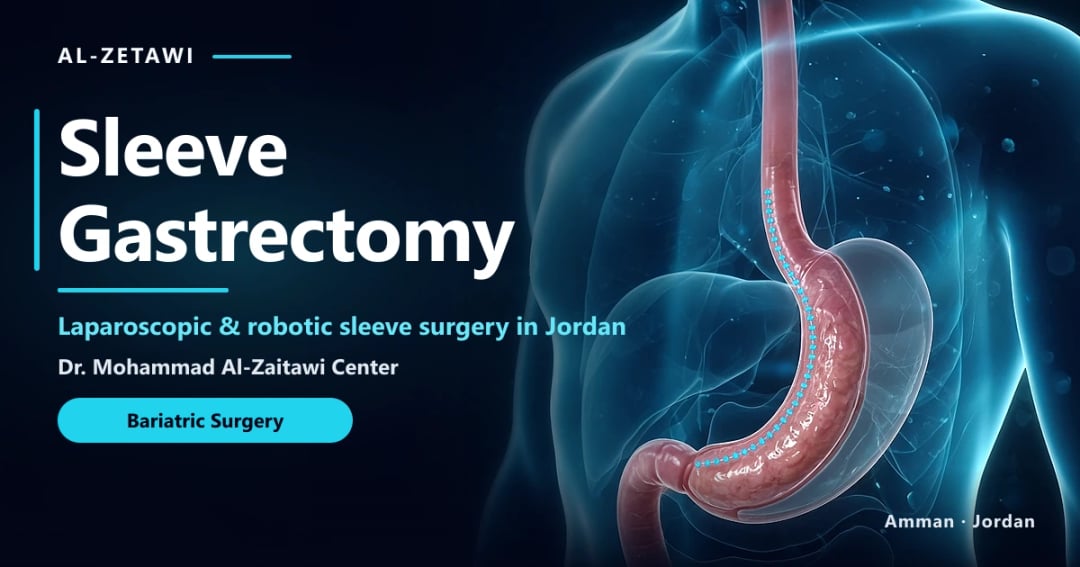
A sleeve removes about 80 percent of the stomach, leaving a narrow tube, and does not reroute the intestine. A gastric bypass creates a small stomach pouch and connects it to a lower part of the small intestine, so food bypasses part of the digestive tract. You can read more about each on our pages about gastric bypass and on choosing between a sleeve and a bypass on the NHS.
Why reflux often points to a bypass
Reflux, meaning heartburn and acid coming back up, is one of the biggest factors in the choice. A sleeve can make existing reflux worse in some people. Where reflux is already severe, NHS teams usually lean towards a bypass. If you take daily acid-reducing medicines or have been told you have a hiatus hernia or inflammation of the oesophagus, expect this to be discussed in detail.
What the evidence says about results
A Swiss randomised trial known as SM-BOSS compared the two operations over five years. Excess BMI loss was 61.1 percent after sleeve and 68.3 percent after bypass, a difference that was not statistically significant. Reflux was less common after bypass. In other words, both operations led to substantial weight loss in that trial, and the bigger practical difference was in reflux.
If you are offered a bypass when you wanted a sleeve, ask the team to explain why. It is a fair question, and the answer usually tells you something important about your own health.
Is NHS Weight Loss Surgery Different in Scotland, Wales and Northern Ireland?
Yes. Health is devolved, so Scotland, Wales and Northern Ireland run their own NHS systems with their own pathways and policies. Most of what you read online about NHS weight loss surgery is written from an English perspective, so it is worth checking the guidance for your own nation.
Scotland
NHS inform, the national health information service for Scotland, says weight loss surgery may be an option if your BMI is over 35 and you have a weight-related condition such as type 2 diabetes. It describes surgery following a weight and lifestyle programme, says you need to be fit for surgery, and explains that you will be assessed by a bariatric team. It also notes that active smoking or vaping may stop surgery from being considered. That last point surprises some people, and it is worth taking seriously early, because stopping takes time and the team may want to see that you have stopped.
NHS Scotland also states that it does not recommend paying to travel abroad for surgery as part of a packaged holiday. If you live in Scotland and are thinking about surgery outside the UK, that advice is part of the picture you should weigh.
Wales and Northern Ireland
Wales and Northern Ireland have their own systems for referral and specialist weight management. The general principles are similar, with BMI thresholds, weight-related conditions, a supervised programme and assessment by a specialist team, but the detail, the services available and how referrals are routed can differ. Your GP is the best starting point for finding out how it works where you live.
If you move between nations
If you move from one part of the UK to another while on a pathway, ask what happens to your referral. Because the systems are separate, you may need a new referral under the rules of your new area. Keep copies of letters and assessments so you do not have to start your history from scratch.
Why Might the NHS Say No to Weight Loss Surgery?
Being turned down, or told "not yet", is common, and it is not always permanent. Understanding the usual reasons helps you work out whether there is something you can change or whether a different route makes more sense.
Not meeting the local criteria
The most straightforward reason is that your BMI, conditions or history do not match the policy that applies in your area. The NHS public page makes clear that a BMI of 40 does not guarantee an operation, and local policies can be more detailed than the national summary. Ask exactly which criterion you did not meet.
Not having completed the required programme
Many policies require non-surgical measures to have been tried without lasting benefit, and some require intensive management in a tier 3 service or equivalent. If you have not yet been through that step, the answer may be to complete it rather than to give up.
Fitness for anaesthesia and surgery
Teams must be satisfied that you are fit for anaesthesia and surgery. Uncontrolled heart, lung or other conditions may need treatment first. That can feel frustrating, but it is about your safety on the day.
Smoking and vaping
NHS inform in Scotland notes that active smoking or vaping may stop surgery being considered. Other areas may take a similar view. If you smoke or vape, ask your GP about stop-smoking support now, while you wait for other steps.
Readiness for life after surgery
The NHS wording links surgery to agreeing to healthy lifestyle changes and regular check-ups. If a team is not confident you can manage the changes in eating, supplements and follow-up that surgery requires, they may suggest more preparation first. Psychological assessment is often part of this, and it is designed to support you rather than to catch you out.
If you are told no, ask for the reasons in writing and ask what would need to change for the decision to be reviewed. A clear answer gives you something to work towards.
How Much Weight Do People Lose After a Gastric Sleeve?
Harvard Health Publishing describes typical weight loss of about 25 percent of body weight after a sleeve gastrectomy and about 33 percent after a gastric bypass. These are broad averages. Your own result depends on your starting point, your health, how you eat after surgery, and whether you keep up with follow-up.
It helps to understand that weight loss surgery figures are reported in different ways. Some studies use percentage of total body weight, as in the Harvard figures. Others use "excess BMI loss", which measures how much of the weight above a reference BMI has been lost. The SM-BOSS trial used excess BMI loss and reported 61.1 percent after sleeve and 68.3 percent after bypass at five years, a difference that was not statistically significant. Comparing numbers that use different measures can be misleading, so check which one a source is using.
What surgery changes, and what it does not
A sleeve removes about 80 percent of the stomach. You feel full sooner and eat smaller portions. It does not reroute the intestine, which is one reason it is often described as simpler in structure than a bypass. What it does not do is decide your food choices for you. Grazing, sugary drinks and high-calorie liquids can undermine results, which is why NHS teams focus so much on lifestyle preparation before surgery.
Health benefits beyond the scale
The reason the NHS links eligibility to conditions such as diabetes, high blood pressure, breathing problems and joint pain is that weight loss may improve them. For many people, needing fewer medicines or sleeping better matters more than any number on a scale. Talk to your team about what improvements are realistic for you.
Long-term commitments
After a sleeve you will usually need lifelong vitamin and mineral supplements and regular blood tests. Our guide to vitamins after weight loss surgery explains why. These commitments apply whether surgery is on the NHS, private in the UK, or abroad.
What If I Decide to Pay for a Gastric Sleeve Privately?
The NHS public page says plainly that you can pay for weight loss surgery privately. Some people choose this because they do not meet their local criteria, because the NHS pathway in their area is long, or because they want more control over timing. It is a legitimate choice, but it changes several things, and it is worth understanding them before you commit.
Private surgery in the UK
Private providers in the UK set their own eligibility rules, often closer to international guidance than to local NHS policies, but a responsible surgeon will still assess whether surgery is appropriate and safe for you. Prices vary by region and by what is included. Our separate guide to private gastric sleeve costs in the UK covers price ranges and what to check in a quote.
What the NHS does after private surgery
This is the part people most often overlook. After privately funded surgery, whether in the UK or abroad, the NHS will treat emergencies and symptomatic problems. However, routine bariatric follow-up and dietary supplements are often not commissioned by the NHS after privately funded surgery. In practical terms, you should plan to arrange and pay for your own long-term follow-up and supplements unless you have confirmed otherwise locally. Our page on NHS care after surgery abroad goes into this in more detail.
Telling your GP
Whichever route you take, tell your GP. They need to know what operation you have had, when and where, so that any medicines can be adjusted and any problems recognised. Bring written records of the operation and the hospital stay home with you.
Leaving an NHS pathway
If you are already on an NHS pathway and decide to go private, ask your team what happens to your place. Do not assume you can return to the same point later. Make the decision with that information in hand rather than finding out afterwards.
For a broader overview of options, see our guide to weight loss surgery and our page on weight loss surgery abroad.
Should I Wait for the NHS or Look at Surgery Abroad?
There is no single right answer, and anyone who tells you otherwise is selling something. The NHS route costs you nothing at the point of care and comes with a structured pathway and long-term follow-up built in. Its drawbacks are that eligibility depends on local criteria, availability varies, and the process involves several steps that take time. Going private, in the UK or abroad, gives you more control over timing but means you pay, and you take on more responsibility for planning your aftercare.
Questions that help you decide
- Do I meet my local NHS criteria now, or am I likely to in the near future?
- Is there a tier 3 service in my area, and have I been referred?
- How important is it to me to have long-term follow-up arranged for me?
- Could I afford private follow-up, blood tests and supplements for years, not months?
- If I live in Scotland, how do I weigh NHS Scotland's advice against packaged holidays abroad?
If you look abroad
Evaluate a surgeon and hospital abroad with the same care you would apply at home. Ask who the surgeon is, where the operation will take place, which operation is recommended and why, what happens if a complication occurs during the stay, and who you contact after you return. A straightforward sleeve often involves one to two nights in hospital, but many international patients plan about a week in the destination city. Fitness to fly is decided individually, not by a package itinerary.
Do not treat an overseas trip as a holiday with an operation attached. It is surgery, and the decisions should be medical first. Our page for international patients sets out what to prepare before travelling, including the records to bring and the questions to settle before you book flights.
Whichever way you go, keep your GP informed and plan your follow-up before the operation, not after it.
Exploring a Gastric Sleeve in Amman With Dr. Mohammad Al-Zaitawi
If you have read the NHS route carefully and are weighing private surgery abroad, our team in Amman, Jordan, led by Dr. Mohammad Al-Zaitawi, can review your file and tell you whether a sleeve, a bypass or neither is the right recommendation. We are not an NHS provider, and surgery with us is a private arrangement. We will not suggest that it replaces your GP or your local NHS services, and we encourage you to keep your GP informed throughout.
Our published reference average for sleeve gastrectomy is about USD 2,500. That figure is in US dollars, not pounds, and it is a starting point rather than a quote. The binding price is the written quote you receive after your file has been reviewed, and the operation recommended, the hospital and the length of stay can all change it. Flights are not included. We do not publish a reference price for gastric bypass. You can read more on our cost and packages page.
Where we are and where surgery happens
Our clinic is in Amman, in the Shmeisani area, on Hanin Bin Ishaq Street, in Al-Husseini Medical Complex 1, opposite Specialty Hospital. The clinic is where consultations and file reviews take place. It is not the operating theatre. Surgery is performed in a private hospital in Amman, which we name to you before you book, so you know exactly where your operation will happen.
What to send us
- Your height, current weight and BMI
- A list of your medical conditions and current medicines
- Any endoscopy reports, especially if you have reflux
- Recent blood test results if you have them
- Any NHS letters from tier 3 or a surgical assessment
You can start with a consultation request, or message us on WhatsApp at +962 7 9570 2800. We will tell you honestly if we think the NHS route, or a different operation, would suit you better.
Questions patients ask
These answers are general. Your file, your medicines, and your endoscopy can change them.
Does BMI 40 guarantee an operation?
I have South Asian family background. Is the BMI lower?
What is tier 3?
Can I have the NHS tests and then go private?
Medical note from Dr. Mohammad Al-Zaitawi
I do not override an NHS multidisciplinary team from a WhatsApp message. I can review the same facts if you are looking at private care in Amman.
Scientific references and guidance
These sources support the medical information on this page. If you want this guidance applied to your own case, send us your details for an initial review.
Reviewed by Dr. Mohammad Al-Zaitawi
Prefer a quicker route? Try the free case review or see bariatric surgery costs in Jordan.