
Gastric Sleeve or Gastric Bypass: Which Will the NHS Offer Me?
On the NHS, the choice between a gastric sleeve and a gastric bypass is made by your bariatric team together with you, through shared decision-making, rather than being fixed in advance. The decision rests mainly on your reflux symptoms, your diabetes, your medicines, your medical history, and how well you can manage lifelong supplements and monitoring.
Neither operation is the best choice for everyone. A sleeve gastrectomy is the simpler anatomical change, because it removes part of the stomach without rerouting the intestine. A gastric bypass creates a small stomach pouch and joins it to the small intestine, and it is usually the better option for people with significant reflux. Both lead to substantial weight loss, and both are among the most common weight loss operations performed on the NHS.
Many people arrive at their first bariatric appointment with a strong preference, often formed by what friends had or what they read online. That preference is worth sharing, because your priorities matter in shared decision-making. But it is also worth keeping an open mind. Your team may recommend the other operation for reasons you had not considered, such as findings on an endoscopy or the medicines you take every day.
This guide explains how each operation works, what the research says about weight loss and diabetes, why reflux is so often the deciding factor, how vitamins and medicines differ, and what questions to ask your team. It is written for people in the UK who are on, or considering, the NHS pathway, and for those weighing up a private route who want to understand how the choice should be made wherever they have surgery.
What Happens in a Gastric Sleeve Operation?
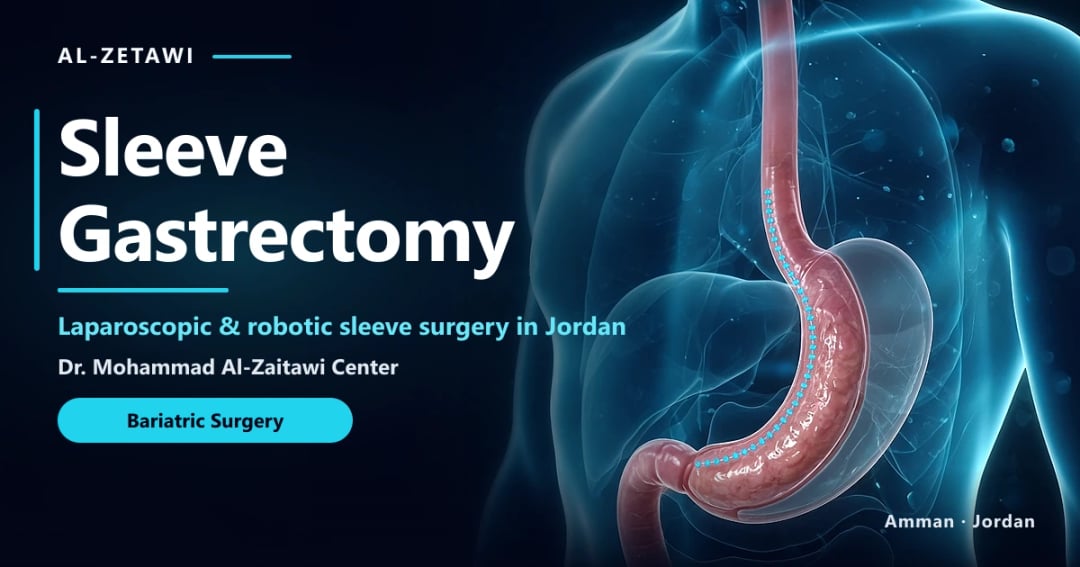
In a sleeve gastrectomy, the surgeon removes a large part of the stomach and shapes what remains into a long, narrow tube. NHS inform describes this as removing about 70 percent of the stomach, while many surgical sources say about 80 percent; the difference reflects how the operation is described rather than two different procedures. The operation is usually done by keyhole surgery.
Because the stomach is much smaller, you feel full after eating far less. The part of the stomach that is removed also produces hormones involved in hunger, which is one reason many people report a reduced appetite after a sleeve. The food you eat still follows its normal path from the stomach into the small intestine. Nothing is rerouted, and no new joins are made between the stomach and the bowel.
Key points about the sleeve
- It is not reversible, because the removed part of the stomach cannot be put back
- The intestine is left in its normal arrangement
- There is no join between the stomach and small intestine where an ulcer can form
- It can make existing reflux worse, and sometimes reflux appears for the first time afterwards
- Lifelong vitamin supplements and blood tests are still needed
People sometimes describe the sleeve as the simpler or lighter option. In anatomical terms that is fair, because there is no rerouting. But it is still major surgery with permanent consequences, and it is not automatically the right choice. For someone with significant reflux, it may cause more problems than it solves.
If a sleeve is recommended for you, ask your team how they assessed your reflux risk and what would happen if heartburn developed later. The page on sleeve gastrectomy explains the operation and recovery in more detail.
What Happens in a Gastric Bypass Operation?
In a gastric bypass, the surgeon creates a small pouch at the top of the stomach and connects it directly to a section of the small intestine. Food then passes from the pouch into the intestine, bypassing most of the stomach and the first part of the small intestine. The rest of the stomach stays in place but no longer receives food. This operation is also usually done by keyhole surgery.
The bypass works in several ways at once. The small pouch limits how much you can eat. Rerouting food changes the hormones released by the gut, which affects hunger, fullness, and blood sugar control. And because food skips part of the intestine, the absorption of some nutrients changes, which is why monitoring after a bypass needs to be closer than after a sleeve.
Key points about the bypass
- It creates a new join between the stomach pouch and the small intestine
- It is usually the better option for people with significant reflux
- Anti-inflammatory painkillers such as ibuprofen are generally avoided because of the risk of an ulcer at the join
- Iron, B12, calcium, and vitamin D need closer monitoring
- Some people experience dumping symptoms after sugary or rich foods
The classic version of this operation is often called a Roux-en-Y gastric bypass. When people in the UK talk about a gastric bypass, this is usually what they mean. It should not be confused with a mini gastric bypass, which is a different operation explained later in this guide.
A bypass is more complex than a sleeve and changes your anatomy in a way that affects medicines and nutrition for life. For the right person, especially someone with reflux or certain metabolic conditions, those trade-offs can be well worth it. The page on gastric bypass describes the operation in more detail.
Gastric Sleeve vs Gastric Bypass: Side-by-Side Comparison
The table below summarises the main differences that bariatric teams discuss when helping patients choose. It is a starting point for a conversation with your team, not a substitute for advice based on your own history.
| Factor | Gastric sleeve | Gastric bypass |
|---|---|---|
| What is done | About 70 to 80 percent of the stomach removed, leaving a narrow tube | A small stomach pouch joined directly to the small intestine |
| Intestine rerouted | No | Yes |
| Reversible | No | Treated as permanent; ask your surgeon about your situation |
| Typical weight loss reported by Harvard | About 25 percent of body weight | About 33 percent of body weight |
| Reflux | Can worsen existing reflux or cause new reflux | Usually the better choice for reflux |
| Barrett's oesophagus or severe oesophagitis | Usually not preferred | Usually the recommended direction |
| Type 2 diabetes in STAMPEDE at 5 years | 23 percent reached HbA1c of 6 percent or less | 29 percent reached HbA1c of 6 percent or less |
| Ibuprofen-type painkillers | Ask your team; less concern about a join ulcer as there is no join to the intestine | Generally avoided because of ulcer risk at the join |
| Vitamin monitoring | Lifelong supplements and blood tests | Lifelong supplements with closer checks of iron, B12, calcium, and vitamin D |
A few points deserve emphasis. The weight loss figures are averages, and individual results vary widely. The diabetes figures come from one trial and describe the proportion of patients reaching a specific blood sugar target, not everyone who improved. And the reflux row often outweighs all the others, because a sleeve chosen despite severe reflux can lead to further surgery later.
The sections that follow explain the evidence behind each row so you can discuss it with your team in more depth.
Which Operation Loses More Weight, Sleeve or Bypass?
On average, a gastric bypass leads to somewhat more weight loss than a sleeve, but the difference is smaller than many people expect. Harvard Health describes typical weight loss of about 25 percent of body weight after a sleeve and about 33 percent after a bypass. Both are substantial, and both are far greater than most people achieve without surgery.
Randomised trials comparing the two operations directly help put this in context. The Swiss SM-BOSS trial followed patients for five years and found excess BMI loss of 61.1 percent after a sleeve and 68.3 percent after a bypass. That difference was not statistically significant, meaning the trial could not confidently say one operation was better for weight loss. The same trial found that reflux outcomes favoured the bypass. The Finnish SLEEVEPASS trial also found large weight loss after both operations.
What these numbers mean for you
Averages describe groups, not individuals. Some people lose more than average after a sleeve, and some lose less after a bypass. Your result depends on many factors, including your starting weight, how you adapt your eating, your activity, your medicines, and your follow-up. A small average difference between operations is unlikely to matter as much as how well the chosen operation suits your body and your life.
That is why NHS teams rarely choose an operation on weight loss alone. If you have severe reflux, the bypass may be recommended regardless of the weight figures. If you are worried about lifelong changes to absorption, or take medicines that a bypass could affect, a sleeve may suit you better even though its average weight loss is a little lower.
When your team discusses expected weight loss, ask them to explain it in terms of your own starting point and your own health goals rather than in percentages alone.
Is a Gastric Sleeve Bad for Acid Reflux?
A gastric sleeve can make existing acid reflux worse, and in some people reflux appears for the first time after the operation. A gastric bypass is usually the better choice for people with significant reflux. This is often the single most important factor in deciding between the two operations.
The reason lies in the shape of the stomach after each operation. A sleeve leaves a narrow tube that can hold pressure, and the operation can affect the area where the oesophagus meets the stomach. That combination can push acid upwards. A bypass, by contrast, creates a small pouch that produces little acid and diverts food and digestive juices away from the oesophagus, which is why it is often used to treat reflux rather than cause it.
When reflux points firmly towards a bypass
If an endoscopy has shown Barrett's oesophagus, a change in the lining of the oesophagus caused by long-term acid exposure, or severe oesophagitis, the recommendation usually points towards a bypass. In these situations, a sleeve could make an already damaged oesophagus worse. A hiatus hernia may also be relevant and should be discussed with your surgeon.
Reflux after a sleeve
If you have already had a sleeve and develop new or worsening reflux, the usual step is an endoscopy to see what is happening. Some people are managed with medicine. Others are offered revision surgery, often a conversion to a gastric bypass. The page on acid reflux after a gastric sleeve explains this in more detail.
Before your assessment, think carefully about your symptoms. How often do you have heartburn? Do you take medicine for it? Do you wake at night with acid in your throat? Do you have difficulty swallowing? Honest answers help your team avoid recommending an operation that could leave you worse off.
Which Is Better for Type 2 Diabetes, a Sleeve or a Bypass?
Both operations can improve type 2 diabetes substantially, and in research the bypass has tended to perform somewhat better on blood sugar targets. The STAMPEDE trial compared intensive medical therapy with gastric bypass and sleeve gastrectomy in people with type 2 diabetes and obesity. After five years, an HbA1c of 6 percent or less was reached by 5 percent of patients on medical therapy alone, 29 percent after a bypass, and 23 percent after a sleeve.
Those figures show two things. First, surgery made a large difference compared with medicines alone. Second, the gap between the two operations was much smaller than the gap between surgery and no surgery. For many people with diabetes, the decision about whether to have surgery matters more than the choice between the two operations.
Other diabetes factors your team will consider
- How long you have had diabetes and how well controlled it is now
- Whether you use insulin or several diabetes medicines
- Any diabetes complications affecting your eyes, kidneys, or nerves
- Your reflux history, which may outweigh small differences in diabetes outcomes
- How confident you are about the closer monitoring a bypass requires
Diabetes medicines often need adjusting soon after either operation, because blood sugar can fall as eating changes and weight drops. Make sure you know who will review your diabetes medicines after surgery and how quickly. Some people need their doses reduced within days, so this should not be left to a routine appointment weeks later.
If diabetes is a major reason you are considering surgery, say so at your assessment. It will shape the conversation and help your team explain how each operation is likely to affect your blood sugar, your medicines, and your long-term risk.
Do You Need More Vitamins After a Bypass Than After a Sleeve?
Everyone who has a sleeve or a bypass needs lifelong vitamin and mineral supplements and regular blood tests. After a bypass, though, monitoring of iron, vitamin B12, calcium, and vitamin D usually needs to be closer, because food bypasses the part of the intestine where much of their absorption normally happens. That difference is a genuine factor in choosing between the operations.
After a sleeve, you eat much less, which makes it harder to get enough nutrients from food alone. Deficiencies can still occur, especially of B12 and iron, so supplements remain essential. After a bypass, the reduced intake is combined with reduced absorption, and some deficiencies can develop more quickly or need higher levels of supplementation to correct.
Blood tests commonly checked after surgery
- Full blood count
- Iron studies
- Vitamin B12
- Folate
- Vitamin D
- Calcium
- Kidney function
On the NHS, follow-up after bariatric surgery includes support with monitoring and supplements as part of the pathway. If you have surgery privately, NHS patient leaflets explain that routine follow-up and dietary supplements are generally not available on the NHS, because that care is not routinely commissioned unless the surgery was done on the NHS. Emergency and symptomatic care remain available. That makes the vitamin difference between operations even more important to consider if you are paying privately.
This guide does not give doses, because the right supplements depend on your operation and results. When discussing which operation to have, ask your team honestly how difficult the supplement routine will be and whether you can commit to it for life. The page on vitamins after weight loss surgery explains the main supplements and why each matters.
Can I Take Ibuprofen After a Gastric Sleeve or Bypass?
After a gastric bypass, anti-inflammatory painkillers such as ibuprofen are generally avoided, because they increase the risk of an ulcer forming at the join between the stomach pouch and the small intestine. This is a lifelong consideration, not just a precaution for the first few weeks. After a sleeve, there is no join to the intestine, but you should still ask your team what painkillers they recommend.
This can matter more than people expect when choosing an operation. If you have a condition such as arthritis or a back problem and rely on anti-inflammatory medicines to stay mobile, a bypass may create real difficulties. Tell your team about any regular painkillers, including those bought over the counter, so they can factor this into the recommendation.
Everyday situations to plan for
- Cold and flu remedies, some of which contain anti-inflammatory ingredients
- Dental pain, where ibuprofen is often suggested
- Sports injuries and sprains
- Period pain, for which anti-inflammatories are commonly used
- Prescriptions from doctors who do not know about your surgery
The practical solution is to make sure everyone who might give you medicine knows about your operation. Tell your GP, your dentist, and your pharmacist. Keep a note on your phone stating which operation you had and that you have been advised to avoid anti-inflammatory painkillers. If you are admitted to hospital for any reason, mention it straight away.
Other medicines can be affected too. Some slow-release tablets may not work in the same way after surgery, and diabetes and blood pressure medicines often need adjusting as your weight falls. Ask your team for a medicines review as part of your preparation, whichever operation you choose.
Is a Mini Gastric Bypass the Same as a Gastric Bypass?
No. A mini gastric bypass is a different operation, not a shorter name for the classic gastric bypass. The confusion is common, especially when operations are advertised online, so it is worth understanding the difference before you discuss options with a surgical team.
In a classic gastric bypass, the surgeon creates a small stomach pouch and makes two joins to reroute the intestine, which keeps bile and digestive juices away from the pouch. In a mini gastric bypass, the surgeon creates a longer, narrower pouch and makes a single join between that pouch and a loop of small intestine. Having one join instead of two can make the operation technically simpler, but it changes how bile flows.
The bile reflux trade-off
Because there is a single join, bile from the intestine can flow back up into the stomach pouch and sometimes into the oesophagus. This is called bile reflux, and it is different from acid reflux. For some patients it causes significant symptoms. That trade-off is one of the main reasons surgeons discuss the mini bypass carefully and do not treat it as interchangeable with the classic operation.
Why the name matters
- Your operative summary needs the exact operation name so future doctors understand your anatomy
- Advice on vitamins and medicines depends on which operation you had
- If problems develop later, the options for revision differ between operations
- Comparing prices or outcomes only makes sense when the operations are the same
If a team recommends a mini bypass, ask why it suits you better than a sleeve or a classic bypass, and how they would manage bile reflux if it occurred. The page on mini gastric bypass explains the operation and its trade-offs in more detail.
Can a Gastric Sleeve Be Reversed or Changed to a Bypass Later?
A gastric sleeve cannot be reversed, because the part of the stomach that is removed is taken out of the body. It can, however, sometimes be converted to a different operation later, most often a gastric bypass. This is one of the reasons the initial choice deserves care: a sleeve keeps some options open, but it also commits you to a permanent change.
The most common reason for converting a sleeve is reflux. If new or worsening reflux develops after a sleeve, the usual step is an endoscopy to assess the oesophagus and stomach. Depending on the findings and how well symptoms respond to medicine, revision surgery may be offered, often as a conversion to a bypass. Other reasons for revision can include weight regain or specific complications, each of which needs careful assessment.
What revision involves
Revision surgery is generally more complex than a first operation, because the surgeon is working with tissue that has already been operated on. It needs a full assessment, a clear reason, and a frank discussion of risks and expected benefits. It should not be presented as a simple fix or a routine next step.
How this affects your first choice
- If you already have significant reflux, choosing a bypass from the start may avoid a later conversion
- If your reflux is mild or absent, a sleeve may be reasonable with a plan for monitoring
- If you have Barrett's oesophagus or severe oesophagitis, a sleeve is usually not the preferred option
- Ask your team how they would handle reflux if it developed after a sleeve
The page on revision bariatric surgery explains when conversion is considered and what it involves.
Do I Need an Endoscopy Before Choosing Between a Sleeve and a Bypass?
Not everyone needs one, but an endoscopy can be one of the most useful tests in deciding between a sleeve and a bypass, particularly if you have reflux symptoms. During an endoscopy, a thin camera is passed through the mouth to look at the oesophagus, stomach, and the start of the small intestine. It can show inflammation, Barrett's oesophagus, a hiatus hernia, ulcers, and other findings that change the recommendation.
The value of an endoscopy is that it replaces guesswork with evidence. Someone may have few symptoms but significant changes in the oesophagus, or troublesome symptoms with a normal-looking lining. Finding Barrett's oesophagus or severe oesophagitis usually points towards a bypass, while a normal result may make a sleeve a reasonable option if other factors support it.
When an endoscopy is more likely to be suggested
- Frequent heartburn or regular use of reflux medicine
- Regurgitation, especially at night
- Difficulty or pain when swallowing
- A known hiatus hernia
- Unexplained anaemia or symptoms suggesting a stomach problem
If you have had an endoscopy on the NHS in the past, ask your GP for a copy of the report and bring it to your assessment, whether you are on the NHS pathway or considering private surgery. Recent results can save repeating the test and give your team important information straight away.
An endoscopy also provides a baseline. If reflux develops after surgery, comparing a later endoscopy with the earlier one helps your team understand what has changed. That can make decisions about medicine or revision clearer. Ask your team whether an endoscopy is recommended for you, and if not, why not.
How Is Eating Different After a Sleeve Compared With a Bypass?
After both operations, you move through a staged diet, starting with fluids and gradually returning to soft and then normal-textured food. Portions become much smaller, protein becomes a priority, and eating slowly and chewing well become essential habits. Many of the day-to-day rules are similar whichever operation you have, but there are some important differences.
After a bypass, some people experience dumping, a set of symptoms that can include nausea, sweating, cramping, dizziness, or diarrhoea after eating sugary or very rich foods. It happens because food passes quickly from the small pouch into the intestine. Some people find that dumping helps them avoid foods they want to cut down on; others find it unpleasant and limiting. Dumping can also occur after a sleeve, but it is more closely associated with the bypass.
Habits that matter after either operation
- Eat small amounts slowly and stop when you feel full
- Prioritise protein at each meal
- Avoid drinking with meals if your team advises it, to leave room for food
- Sip fluids steadily through the day to stay hydrated
- Take supplements every day, even when you feel well
- Report persistent vomiting or difficulty swallowing promptly
Reflux can also affect eating after a sleeve. If you notice heartburn, regurgitation, or discomfort after meals, tell your team rather than assuming it is normal. Changes in eating patterns or difficulty with food can sometimes signal a problem that needs investigation.
Your dietitian will guide you through the stages, and NHS patients usually receive this support as part of the pathway. The guide on what to eat after a gastric sleeve explains the stages and practical tips in more detail.
Questions to Ask Your Surgeon Before Choosing a Sleeve or Bypass
Going into your assessment with prepared questions helps make shared decision-making real. Your team will have its own list of things to ask you, but your questions show what matters to you and help bring out the reasoning behind their recommendation. Write them down and take notes on the answers.
About the recommendation
- Which operation do you recommend for me, and what are the main reasons?
- What would make you recommend the other operation instead?
- How does my reflux history affect the choice?
- Do I need an endoscopy, and what would you be looking for?
- How might each operation affect my diabetes and my diabetes medicines?
About life after surgery
- Which supplements will I need, and which blood tests will be repeated?
- Which of my regular medicines will need to change?
- Will I need to avoid any painkillers for the rest of my life?
- What should I do if I develop reflux, vomiting, or difficulty eating later?
- What support is available from dietitians and psychologists?
About risks and the future
- What are the main risks of each operation for someone with my health?
- If problems develop years later, what options would I have?
- Can the operation be revised or converted, and when might that be needed?
If you are considering private surgery, add questions about follow-up, because NHS routine follow-up is generally not available after private operations. Ask who will review your blood tests, how you will contact the team, and what written plan you will receive.
Good teams welcome questions like these. If you feel rushed or your questions are dismissed, it is reasonable to ask for more time or a further appointment before agreeing to an operation that will change your life permanently.
Choosing Between a Sleeve and a Bypass Privately in Amman
Some people in the UK decide to pay privately rather than wait for the NHS pathway. If you are considering that route with this team, the choice between a sleeve and a bypass is made in the same way this guide describes: from your records and in discussion with you, not from an advert. This team is not an NHS provider, and choosing private surgery generally means arranging your own routine follow-up and supplements at home.
Dr. Mohammad Al-Zaitawi reviews your file before you travel, with reflux, any endoscopy findings, diabetes, medicines, and previous surgery at the centre of the recommendation. If your history points towards a bypass rather than a sleeve, you will be told so and why. Surgery takes place in a private hospital in Amman that is named to you before you book. The published reference average for a sleeve gastrectomy is about USD 2,500; the binding price is the written quote after your file is reviewed, and the operation, the hospital, and the length of stay can change it.
A straightforward sleeve often means one or two nights in hospital, and many international patients plan about a week in Amman, flying home when cleared rather than on a fixed date. You leave with an operative summary, a written vitamin plan, and a plan for your GP listing the blood tests to request. The weight loss surgery, cost and packages, and international patients pages explain more, and the page on gastric sleeve on the NHS covers the NHS route.
The clinic is in Amman, in the Shmeisani area, on Hanin Bin Ishaq Street, in Al-Husseini Medical Complex 1, opposite Specialty Hospital. You can reach the team on WhatsApp at +962 7 9570 2800 or start through the consultation page.
Questions patients ask
These answers are general. Your file, your medicines, and your endoscopy can change them.
Can I choose a sleeve on the NHS if I have Barrett's esophagus?
Is a mini bypass an NHS standard?
Will private surgery in Amman follow NHS logic?
What if I already had a sleeve and now have reflux?
Medical note from Dr. Mohammad Al-Zaitawi
I will recommend a bypass in the notes if the esophagus needs it, including when the patient came asking for a sleeve.
Scientific references and guidance
These sources support the medical information on this page. If you want this guidance applied to your own case, send us your details for an initial review.
Reviewed by Dr. Mohammad Al-Zaitawi
Prefer a quicker route? Try the free case review or see bariatric surgery costs in Jordan.