
What do you eat after a gastric sleeve?
After a gastric sleeve you eat in stages: liquids, then purees, then soft foods, then regular textures. The stages often unfold over several weeks. The point of the sequence is to let the new stomach, a narrow staple line, accept food without being asked to grind a steak on day three. The discharge plan you were given outranks any internet chart, including this one. If your surgeon said two weeks of liquids and your cousin's chart said three days, you follow the surgeon. Stages are a method. The dates on your paper are the method as it applies to your operation.
Inside every stage the same priorities hold. Protein comes first. Many programs set a floor of at least 60 grams of protein a day unless the written plan differs. Fluids are sipped between meals, often separated from meals by about 30 minutes, so you stay hydrated without washing food through the sleeve. Bread, rice, and pasta often hurt early, even after you are "allowed" regular food, because they swell or sit like paste. Juice, shakes with added sugar, and alcohol are liquid calories. They go down easily and they do not build the result you had surgery to get.
This page teaches the shape of those stages for adults in the United States, Canada, and the United Kingdom. It is not a menu for today unless it matches your paper. If you vomit, if food sticks, or if you cannot drink, you stop experimenting and you call. A diet page cannot see a narrowing. Your team can.
Read this once for the principles, then put your own plan on the refrigerator. The principles explain why the plan feels fussy. The fussiness is the sleeve working as designed: a small stomach that forces choices. You choose protein, fluid, and patience. You decline the foods that hurt and the liquids that pretend to be a meal.
Why the stages exist
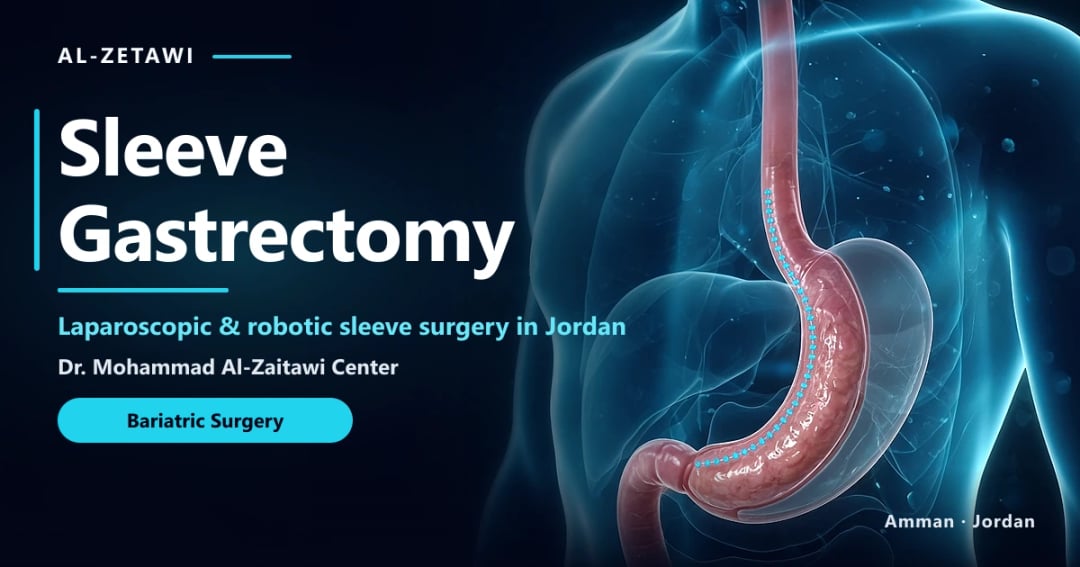
A sleeve gastrectomy staples the stomach into a tube and removes the rest. The staple line has to heal. The tube has to learn a new volume. Early on, swelling makes the tube even less forgiving than it will be later. Liquids, then smooth purees, then soft foods, then careful regular food, are how programs match texture to that healing. Skipping ahead because you feel brave is a common reason people vomit, hurt, or frighten themselves. Feeling brave is not a stage. The stage is the one written on the discharge sheet.
Programs differ on the number of days in each stage. Some are shorter. Some are longer. Some insert a particular shake. Some want you to avoid caffeine for a period, or carbonation, or straws. Those details are local. This page will not pretend there is one universal calendar, and it will not invent doses of supplements to go with the meals. What is shared, across a great many programs, is the order of textures and the reasons: safety of the staple line, tolerance, protein, and fluid. If a website offers a day-by-day menu with brand names and milligrams, treat it as someone else's plan.
The sleeve is not a bypass. You keep the pylorus. Dumping is less common than after bypass, but sugar liquids are still a poor use of the tube, and fluids with meals can still rush you or fill you. Reflux can be worse after a sleeve, so late large meals and trigger foods may bother you even when the texture stage says they are legal. Legal on the chart and comfortable in your chest are two different permissions. You need both.
Emotionally, the stages are a loss. Food was a hobby, a culture, a way to end the day. For several weeks it is a task. That is temporary. The structure underneath, protein first and liquids that are not sugar, is not temporary. People who treat the structure as a short punishment and then return to grazing and juice are the people who later search for articles about regain. The stages are the rehearsal. The rehearsal is the show.
The liquid stage
The liquid stage is sip, not gulp. The tube rejects a large swallow with pain or vomiting, and a large swallow is how people get dehydrated because they then fear drinking at all. Use a small cup. Take small sips all day. Aim at the fluid target written in your plan. If no target was written, ask for one rather than copying a number from a stranger. Clear fluids usually come first: water, and the broths or other liquids your paper lists. Then protein-containing liquids, if your plan includes them, so the days are not only clear soup.
Sugar is the mistake of this stage. Juice, regular soda, sweet tea, and shakes with added sugar are liquids, so they seem allowed, and they are liquid calories. They do not teach the sleeve anything useful. They can make dumping-type symptoms in people who are sensitive to a fast sugar load, and they train the sweet preference you are trying to quiet. Milk may or may not be on your paper. Sugar-free does not mean unlimited, and sugar-free products can cause cramps in some people. Follow the list you were given. If a listed item makes you vomit, stop it and ask, rather than forcing the next cup.
Protein shakes belong only if your plan names them. They are a tool for the 60 gram floor when food cannot carry the grams yet. They are not a personality. Read the label. A shake with a dessert's worth of sugar is a milkshake. Choose the one your dietitian pointed at, or ask for the criteria: enough protein, little added sugar, and a texture you can sip. This page will not require a brand. Brands differ by country. The United States, Canada, and the United Kingdom do not stock the same tubs. Criteria travel. Brand loyalty does not.
Temperature, straws, and ice are program-specific. Some teams dislike straws because of swallowed air. Some do not mind. Follow yours. What is universal is pace. If you feel chest pressure, stop and wait. If you cannot keep sips down at all, call. The liquid stage should be tedious. It should not be a crisis. A crisis is inability to drink, severe pain, fever, vomiting blood, or a feeling of being seriously ill. Those skip the dietitian and go to urgent care.
The puree stage
Purees are foods blended smooth, usually with enough liquid to make a yogurt texture, not a soup you drink and not a lump you chew. The stage exists because the sleeve can handle a smooth protein before it can handle a piece of meat. Typical foods, if your plan agrees, include blended cottage cheese or ricotta, yogurt without added sugar, scrambled eggs blended or very soft, flaked white fish mashed smooth, and pureed poultry with a little broth. Season gently. Spice is not forbidden forever. A very spicy or very fatty puree can still make you miserable this week.
Keep protein first even when everything is smooth. A puree of potato or fruit is a texture success and a protein failure. Fruit purees and juices pile sugar into a form that leaves the stomach quickly. Vegetables can be blended alongside protein if your plan allows, not instead of it. Measure the protein foods for a few days so the grams are real. Many programs are aiming at least 60 grams for the day unless the written plan differs. You will not hit that by accident with three tablespoons of yogurt.
Eat from a small dish. Use a spoon. Stop when you feel pressure, even if the dish is not empty. The remainder can be the next meal. Leaving food is a skill the sleeve requires, and it offends people who were taught to finish plates. The plate is no longer the authority. The staple line is. If you consistently cannot finish even a few spoons, or everything comes back, tell the team. The stage might be too early, the bites might be too fast, or there might be swelling or a narrowing that needs a look.
Hygiene matters because purees are moist and kept in the fridge. Do not leave a blended meal out all afternoon. Do not taste-test a new spicy family dish in this stage to be polite. Polite can wait until soft foods. This stage is for boring success. Boring is a compliment.
The soft stage
Soft foods are foods you can mash with a fork and chew without a struggle: eggs, flaky fish, minced or very tender poultry, tofu, beans if your plan has introduced them, cottage cheese, soft vegetables cooked well, and fruit without membranes if it is on your list. The step up from puree is texture, not portion size. People celebrate the end of the blender by doubling the volume. The sleeve does not celebrate. It still holds a small amount. A soft meal is a few bites, eaten slowly, protein first.
Chewing is the new blending. A piece of soft chicken that you swallow in a hurry becomes a lump the tube has to argue with. Chew until the food is paste. Pause. Take the next bite only if the last one moved. This feels absurd in a work canteen. It is still the technique. If you cannot chew because you are in a rush, you are not ready for that meal setting. Pack the meal and eat it where you can take the time, or stay with a yogurt you already tolerate until the schedule allows a real sitting.
Introduce one food at a time if your plan says to. A single new food that hurts can be identified. Three new foods in one lunch cannot. Bread, rice, and pasta often hurt even in this stage and the next. Leave them out while you build the protein list. You are not being deprived of a food group so much as you are declining a group that commonly causes pain, vomiting, and a full sensation that blocks protein. There will be a later week to test a small toasted bite. This week is for foods that work.
Fat and fried foods tend to sit heavily and can cause diarrhea or nausea. Soft does not mean a cheese sauce on everything or a "slider" food that melts and goes down too easily. Slider foods, the ones that vanish without fullness, are how calories return while you still feel compliant. Keep the soft foods recognizable as protein and cooked plants, not as a melted snack you can eat endlessly.
Regular food, still with a sleeve
Regular texture means you can chew ordinary foods. It does not mean ordinary portions, ordinary speed, or a return to liquid calories. The sleeve remains narrow. Fullness arrives with less food and sometimes with less warning. Protein still leads the meal. Vegetables come next for most people who tolerate them. Starch is last and smallest, and it is skipped when there is no room. Many people live well on this plate for years. It is not a novelty diet. It is the mechanical consequence of a small stomach that still has its pylorus and still empties into the same intestine.
Try previously painful foods one at a time, in a small portion, at home, not on a trip. A thin piece of toasted bread, chewed completely, is a fair test months along. A doughy roll is a poor test. Rice that swells in the tube is a famous discomfort. Pasta that you eat quickly will teach the same lesson. If the test hurts, you stop. You do not win by pushing through pain. Pain, vomiting, or food that sits for hours is information. Retire that food for a while and tell the team if more and more foods start to stick. Progressive sticking is a medical question, not a chewing lecture.
Eat at a table when you can. Screens and cars hide the speed of the meal. A sleeve in a car is how people vomit on the way to work and then skip the next meal. Skipped meals become grazing by evening. Grazing is the pattern that explains weight regain with a sleeve that is still anatomically narrow. The regular stage is successful when meals are planned, protein is adequate, and the day has an end. It is unsuccessful when the texture is "regular" and the behavior is constant snacking on crackers and cheese.
Cultural foods fit this stage if you rebuild them. A stew can be meat and vegetables with the sauce and the portion adjusted. A roast can be a few slices, well chewed. A family table can include you without centering the bread basket. You may need to say what you are doing once. After that, repetition is the habit, not the announcement.
How to reach the protein target
Many programs use at least 60 grams of protein a day unless the written plan differs. Treat that as the usual floor, not as a suggestion to ignore a different number on your paper. The floor protects healing, muscle, hair, and the feeling that you can function. Hair shedding a few months after surgery is more likely to stay a temporary telogen shed if protein and labs are adequate. The protein habit is part of that story. It is also how you stay full on food instead of on sweets.
Distribute the grams. A sleeve will not accept them in one sitting. Breakfast, lunch, and dinner each need a protein food, and a snack only if your plan uses snacks. Eggs, fish, poultry, meat you can chew, tofu, dairy if you tolerate it, and later legumes are the core. Early stages use the shake or the smooth dairy your paper allows so the floor is met before solids are ready. Later, food should carry more of the total and shakes become optional unless your dietitian wants them continued. Do not drop the floor just because you are tired of shakes. Replace the shake with food grams, not with nothing.
Track for three ordinary days, including a weekend. People are reliably generous when they estimate from memory. Write the food, the amount, and the gram number from the label or a simple food table. Bring the three days to a dietitian if you are under the floor or if you are nauseated by every protein. There is almost always another source. If meat tastes metallic, fish or eggs or dairy may not. If dairy causes cramps, you need a different plan, not a lecture to try harder. Taste changes after sleeve are common and often ease.
Protein bars are a mixed category. Some fit a plan. Many are sweets with a protein claim. Read sugar and protein together. A bar that sets off flushing, cramps, or diarrhea is a bad bar for you regardless of the advertising. After a sleeve, dumping is less common than after bypass, but a sugary bar is still a poor protein vehicle. Real food, most days, is clearer.
Fluids, and the thirty minute gap
Fluids are sipped between meals and are often separated from meals by about 30 minutes. The gap keeps the sleeve from filling with water when it should fill with protein, and it keeps a drink from rushing food through. Your discharge plan may name a different interval. The plan wins. What you should not do is drink a large glass with the meal because a website and a pamphlet disagreed and you picked the comfortable option. Comfort at the table becomes discomfort afterward, or it becomes a meal that never delivered protein because the water won the space.
The fluid itself should be non-caloric most of the time. Water is the default. Unsweetened tea or coffee may be allowed at a stage your team names. Ask if you were not told. Do not assume caffeine is either required or forbidden. Juice, sweet coffee drinks, and alcohol are how people drink their calories without logging a meal. They are the liquids to retire. A squeeze of citrus in water is not juice. A bottle of juice is juice. The distinction feels pedantic until the weight stalls and the diary shows two glasses a day of something you called "not really food."
Dehydration shows up as headache, dark urine, dizziness, and constipation. It is easy to become dehydrated when sipping is slow and the day is busy. Carry the bottle. Set a quiet reminder. If you are dizzy when you stand, especially in the first weeks, sit down and call for advice. Dehydration can be serious, and dizziness can also be a medicine effect, bleeding, or low intake. Do not diagnose it yourself if you cannot keep fluids down. Inability to drink is a same-day problem.
Alcohol deserves a harder line than other fluids. Avoid it after weight-loss surgery. It is liquid energy, it intoxicates faster because there is less alcohol dehydrogenase in a smaller stomach, and it undermines the meal plan. An occasional drink much later is what some specialists describe as acceptable only for people who can keep it occasional. It is not part of the fluid target. The fluid target is hydration.
Bread, rice, and pasta
Bread, rice, and pasta often hurt early after a sleeve. They are not moral failures. They are foods that swell, form a paste, or are eaten quickly in large amounts. A small stomach argues with them. The argument feels like pressure in the chest, vomiting, or a long fullness that ruins the next meal. Early in recovery, leave them off the plate. You have enough to do with protein and fluids. Adding a painful starch so that a meal "looks normal" to someone else is a bad trade.
Later, if you want to test them, test one, toasted or well cooked, in a bite or two, chewed until it is uniform, after the protein. Stop at the first pressure. Rice is the one many people never love again, because it expands after it arrives. Pasta eaten in a restaurant portion is a common regret. Bread that is soft and fresh is often worse than bread that is thin and dry. These are observations from clinic after clinic. Your stomach may be the exception. You earn the exception with a careful test, not with a bowl.
There is no requirement to bring these foods back. Many people feel better without them and get starch, when they want it, from a small potato or a tolerated cracker their dietitian approved. Fiber from vegetables and fruit, as tolerated, matters more than a particular grain. If a clinician has told you to limit a grain for another illness, that instruction still stands. The sleeve does not repeal celiac disease or a personal intolerance.
If bread is the only thing that will go down, and protein will not, that is a warning. Slider foods that go down while dense protein comes back can mean a narrowing, a behavior problem, or both. Tell the team. Living on crackers and biscuits is how intake looks "fine" while protein collapses and weight later rebounds. The foods that hurt are not the enemy. The pattern of avoiding all dense protein is the enemy.
Juice, sweet shakes, and other liquid calories
Liquid calories bypass the work of chewing, which is part of how a sleeve limits intake. Juice, shakes with sugar, sweet coffee, ice cream melted into a drink, and alcohol slide through a narrow stomach that would have stopped you after a few bites of chicken. They are the most common quiet reason a sleeve "stops working" while the person insists they barely eat. They barely eat. They drink the missing meals. The scale cannot tell chewing from sipping. It only sees energy.
Juice has a health reputation it does not deserve after bariatric surgery. The vitamins in it do not offset the sugar load, and you are already supposed to be on a vitamin plan matched to the operation. Eat the fruit later, if you tolerate it, in the portion your plan allows. Skip the glass. A smoothie can be either a planned protein meal or a dessert, depending on what went into the blender. If it is mostly fruit, juice, and honey, it is a dessert. If your dietitian built it as a protein vehicle with little sugar, it belongs in the protein count. The word smoothie does not decide. The ingredients do.
Alcohol is the liquid calorie with extra harms. Less stomach enzyme means faster intoxication. A sleeve keeps the pylorus, so it is not identical to a bypass, and it is still an operation after which Harvard-affiliated clinicians advise avoiding alcohol. Empty calories, poor food choices while intoxicated, and the risk of a habit that grows are enough. Do not count a drink toward hydration. Do not use it to celebrate moving from purees to soft foods. Celebrate with a food you tolerate, or with nothing edible at all.
| Drink | What it does in a sleeve | Better use of the sip |
|---|---|---|
| Water | Hydrates if you sip between meals | The default fluid |
| Juice | Sugar without chewing, a liquid calorie | Whole fruit later, if tolerated, in the plan's portion |
| Shake with added sugar | A dessert that feels like a protein plan | The low-sugar protein your written plan names |
| Sweet coffee drinks | Sugar and often a large volume | Coffee only if your team allows it, without the syrup |
| Alcohol | Calories plus faster intoxication | Avoid after surgery |
Read labels on "vitamin waters" and sports drinks. Many are juice in a healthier costume. If you need an oral rehydration solution because you are ill, that is a clinician's instruction for a sick day, not a daily beverage. Sick-day drinks do not become personality traits.
What a calm day of eating looks like
In the soft stage, a calm day is three or four small protein meals and sips between them. An egg. A yogurt without added sugar. Flaked fish. The shake your plan names. The plate looks absurdly small next to the plate you used at home. That is the operation. Finishing it in four hurried bites is how it comes back up. Sit down. Chew. Leave what does not fit. Wait the gap your plan asks, often about 30 minutes, then sip. Repeat. It will feel like the day is organized around food. For a while, it is. The organization is what keeps you out of the emergency department and inside the protein floor.
Later, the structure stays when the texture loosens. Protein first, vegetable second, starch last and often skipped. Breakfast still exists. Skipping breakfast and then grazing from lunch to midnight is a known regain pattern. You do not need a large breakfast. You need a real one, with protein, in the portion the sleeve accepts. Lunch can be the same food as dinner. Variety is pleasant and not required for the biology. A repetitive tuna or chicken lunch that you tolerate beats a rotating menu that includes a daily pastry.
Restaurants are possible if you order the protein and leave the basket alone. Sauce on the side. A shared dessert is a poor experiment in the first year and a calculated one much later, not a habit. The goal of the meal is protein and comfort, not proof that you can eat like the rest of the table. Ask for a box early. People overeat when the food sits in front of them. The sleeve does not remove that impulse. It makes the impulse more expensive.
Night eating deserves a plan. If you are truly hungry at night, your day protein was too low or too uneven. Fix the day. If you are not hungry and you are eating because the house is quiet, the fix is not a stricter shake. It is a non-food evening routine and, if the pattern is old and strong, someone to talk to about it. Surgery does not treat night eating by itself. The small stomach only makes the aftermath more uncomfortable.
Work, travel, and other people's kitchens
Workdays fail when there is no protein between morning and late afternoon. Pack the food you tolerate even if the office celebrates a birthday. A yogurt or a portion of chicken in a bag is not an insult to the celebration. Eat it. Then decide whether a small taste of cake is even relevant to your stage. In the first months it is not. Later, a taste is a decision, not an obligation. Meetings that run through lunch need the same preparation as a flight. If you do not pack food, the vending machine will pack it for you, and it will be a slider food.
Travel across the United States, Canada, or the United Kingdom is manageable with food you can name in an airport: a simple grilled protein, a yogurt, fruit if you tolerate it, and water. Decline the juice at the hotel breakfast. Eat before you are starving. Starving leads to speed, and speed leads to vomiting. On a long drive, stop to eat rather than eating while holding the wheel. A sleeve does not like a rushed swallow over a steering wheel.
Family kitchens are where old portions live. Serve yourself, from the pot, the amount you can actually eat, before you sit down if that helps. Tell one person the rule so they do not refill your plate as love. Love can be a conversation and a walk. It does not have to be a second helping. If a relative is hurt, the hurt is real and it is still not a reason to vomit. You can say, "I want to stay and talk. I cannot eat more of this." Both halves are polite.
Food safety still applies. A sleeve does not make spoiled food safer, and vomiting from food poisoning is harder when you dehydrate quickly. Keep cold food cold. Do not leave a protein meal in a hot car. The mundane rules prevent the dramatic afternoon.
Vomiting, pain, and when the chart stops
One episode of vomiting after a bite that was too big or too fast is a technique error. Stop eating, return to sips, and try a smoother texture at the next meal if your plan allows you to step back for a day. Repeated vomiting is not a technique footnote. Vomiting every food, vomiting liquids, pain in the chest when you swallow, or the sense that food is stuck, can be a narrowing. Narrowing needs urgent contact. Daily vomiting of all foods is not dumping and it is not a sign you should "just chew more" without being examined. Call the surgical team or local emergency care.
Severe abdominal pain, fever, vomiting blood, black stool, fainting, or a feeling of being critically unwell are emergency symptoms, especially early after surgery. A diet stage does not apply. Go to care. Say that you had a gastric sleeve and when. Bring the discharge paper if you can. Heartburn that is new or worsening also deserves a report, because a sleeve can start or worsen reflux. Do not bury heartburn under three antacids and a blog. Report it. Mild symptoms may settle with the measures your clinician recommends. They are not a reason to diagnose yourself into a revision.
Constipation is common when fluid and fiber are low and when iron is in the vitamin plan. Fluid first, within the sipping rules. Then ask about fiber or a laxative that fits your plan. Do not invent a harsh cleanse. Diarrhea after sweets suggests the sweet is the problem. Diarrhea that is constant suggests a review. So does an inability to meet protein because everything causes cramps. You should be slightly inconvenienced by the small stomach. You should not be unable to live the week.
Step back a stage when your team tells you to, or when a new food fails and the previous stage was calm. Stepping back is not failure. Forcing the next texture through pain is how small problems become admissions. The chart is a ladder. You are allowed to stand on the rung that holds you.
How eating fits vitamins, reflux, and follow-up
Food does not replace vitamins after a sleeve. Absorption and intake both change, and the vitamin plan is lifelong: a bariatric-type multivitamin, B12, vitamin D, and calcium, with iron according to labs and the operation. Take them on the schedule you were given. If a vitamin makes you vomit, call. Do not quietly stop the bottle. The eating stages and the vitamin schedule are one recovery. Vitamins after weight-loss surgery explains the labs and the warning signs, including same-day care for confusion, double vision, or unsteadiness when you cannot keep supplements down.
Reflux changes how the last meal of the day looks. A sleeve is a higher-pressure tube, and a hiatal hernia may still be present. Large late dinners are a common trigger. Finish eating earlier, keep the meal small, and tell someone if you are waking with acid. That report belongs in the follow-up, beside the protein total and the fluid habit. Weight loss that looks excellent on the scale is not a reason to ignore night cough or heartburn.
Follow-up is where the chart gets personalized. Bring a three-day food note to the early visits. Bring questions about bread, about a specific cuisine, about a work shift that breaks the thirty-minute gap. A dietitian would rather edit your real Tuesday than applaud a perfect hypothetical Monday. If your surgery was in another country, your home clinician still needs the diet sheet and the vitamin sheet in writing. Memory fades at the airport.
If you are planning surgery or a review with Dr. Mohammad Al-Zaitawi, the clinic is in Shmeisani, Hanin Bin Ishaq Street, Al-Husseini Medical Complex 1, opposite Specialty Hospital in Amman. The operation, when it is appropriate, is done in a private hospital that is named before you book. You can write on WhatsApp at +962 7 9570 2800. Ask for the diet stages in writing before you travel, and follow that paper when it disagrees with this page.
Questions patients ask
These answers are general. Your file, your medicines, and your endoscopy can change them.
When can I eat bread?
Are protein shakes required?
Can I drink with meals?
What if I cannot keep water down?
Medical note from Dr. Mohammad Al-Zaitawi
I would rather keep you on soft food an extra week than watch you prove you can eat bread.
Scientific references and guidance
These sources support the medical information on this page. If you want this guidance applied to your own case, send us your details for an initial review.
Reviewed by Dr. Mohammad Al-Zaitawi
Prefer a quicker route? Try the free case review or see bariatric surgery costs in Jordan.