
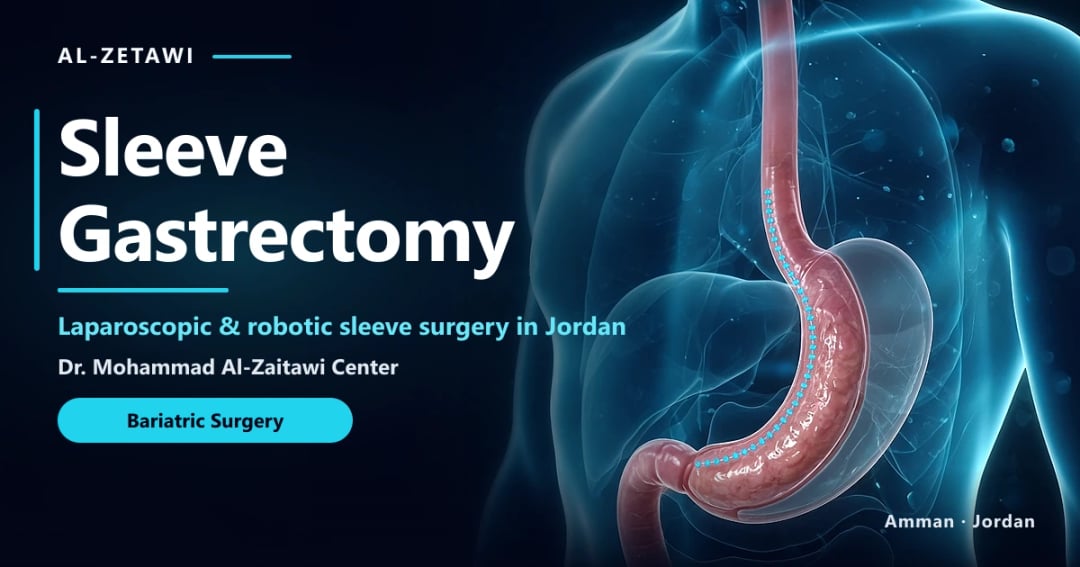
What BMI Do You Need for a Gastric Sleeve?
The 2022 statement from the American Society for Metabolic and Bariatric Surgery and the International Federation for the Surgery of Obesity and Metabolic Disorders recommends metabolic and bariatric surgery at a BMI above 35, with or without another disease. It says surgery should be considered at a BMI of 30 to 34.9 when metabolic disease is present, especially type 2 diabetes. For Asian populations, the same statement recognizes clinical obesity from a BMI above 25 and says surgery should be considered above 27.5. The paper is PMID 36336720.
That is the clinical starting line many surgeons now use. It is not a permission slip, and it is not what every US insurer pays. Many commercial plans still open at a BMI of 40, or at 35 with a comorbidity, and they can exclude the operation entirely. A plan's cutoff answers a claim. The statement answers whether surgery is a reasonable medical discussion. Both numbers can be true on the same day for the same person.
BMI does not finish the requirements. Smoking, untreated alcohol misuse, an esophagus already damaged by reflux, and an anesthesia risk that has not been reviewed can all delay or redirect an operation that the BMI would otherwise support. A sleeve removes about 80 percent of the stomach and does not reroute the intestine. If reflux is severe, the requirement that matters more than the BMI is whether a bypass fits you better. Use the BMI calculator to see your number, then read the rest of this page for the requirements that are not a number.
Care in Amman, with Dr. Mohammad Al-Zaitawi, uses the file rather than a webpage threshold. Height, weight, medicines, and reflux symptoms come before any date. Surgery there is private pay, not a US insurance claim. The published reference average for a sleeve is about USD 2,500, and the binding price is the written quote after review because the operation, the hospital, and the length of stay can change it. None of that overrides a medical no.
How Is BMI Calculated, and What Does It Miss?
Body mass index is weight divided by height squared. In US units the calculator does that conversion for you. The result is a screening number that trials and insurers both adopted because it is easy to record the same way in different clinics. It is not a measure of muscle, and it is not a photograph of a fatty liver, a worn knee, or a flight of stairs you can or cannot climb. Two people with the same BMI can have different surgical risk and different reasons to consider an operation.
Home scales drift. A morning weight after a week of low salt is not the weight anesthesia should plan around. Send the height and weight a clinician measured, with the date, and say if your home scale disagrees. Understating the number does not make you a candidate. It makes the diabetes plan and the airway plan wrong. Overstating it to cross an insurance line is the same kind of error in the other direction. The requirement is an accurate body, not a useful one.
BMI also misses where you carry disease. A person at a BMI of 34 on insulin can be a clearer candidate, under the 2022 statement, than a person at a BMI of 41 who still smokes a pack a day. The statement is explicit that metabolic disease between 30 and 34.9 is a reason to consider surgery, not a reason to wait until the scale hits 40. Muscle-heavy people sometimes look high on BMI and low on metabolic disease. The chart has to say which story is yours. A single number cannot.
What to do with a number that surprised you
If the calculator result is lower than you expected, do not add clothes or a guess. Recheck height. A wrong height changes BMI more than a small weight error. If the result is higher than the story you tell yourself, that is information, not an insult. Write it down and put the medicines next to it. The requirement conversation starts from that pair.
What Does the Guideline Say When BMI Is Above 35?
Above a BMI of 35, the 2022 statement recommends surgery whether or not another disease has already been listed. You do not have to qualify by having diabetes, sleep apnea, or high blood pressure first. Those diseases still matter. They change risk, they change which operation is wiser, and they are often what a US plan demands. They are not, in the statement, a prerequisite once BMI is above 35.
Recommendation is not scheduling. The statement does not say every adult above 35 should be operated on this month. It says the operation is an appropriate treatment to discuss, the way a knee replacement is appropriate to discuss for a damaged joint without being appropriate for every person who limps. Frailty, heart and lung reserve, an untreated clotting problem, and the ability to take vitamins afterward still have to be reviewed. There is no universal birthday cutoff in the material this page is allowed to rely on. For adults, function and disease matter more than the age printed on the passport.
Many US readers meet this BMI and still cannot get a claim paid, because their plan wants 40 or wants a comorbidity code at 35. That gap is frustrating, and it is common. It does not lower the clinical recommendation back down to the plan's number. It tells you the payment door and the medical door are side by side. If you are exploring a private episode because the plan will not pay, say that. The requirements we apply are the medical ones: accurate BMI, a safe anesthesia plan, smoking stopped, and an operation that matches the esophagus.
Bring records that show the BMI was measured, not reconstructed. A primary-care note from the last few months is enough to start. Serial weights, if you have them, show whether you are climbing, stable, or already falling because of a medicine. Falling because of a medicine is a different requirement story from never having tried anything, and the file should be able to tell those apart.
Can You Qualify for a Sleeve at BMI 30 to 34.9?
You can be considered. The 2022 statement says surgery should be considered in that band when metabolic disease is present. Type 2 diabetes is the disease the statement highlights. The word is considered, not automatically booked. Duration of diabetes, whether you use insulin, reflux, smoking, and surgical risk decide whether consideration becomes an offer.
This is the band where insurance and surgery disagree most loudly. A commercial plan that starts at 35 with a comorbidity, or at 40, will often deny a person at 32 even when the HbA1c is high and the medicine list is long. The denial is not proof that the statement was withdrawn. It is proof that the contract is narrower. If you want a US claim, you will have to live inside the contract or appeal inside it. If you want a clinical opinion, send the diabetes history and expect an opinion that may not match the denial.
Metabolic disease means something you can point to in the chart. A high fasting glucose, an HbA1c, a diagnosis of type 2 diabetes, or a medicine started for that diagnosis is a trail. Feeling unwell is not, by itself, the disease the statement names. High blood pressure and sleep apnea matter to your health and often matter to insurers. When you write, list each condition separately so nobody has to infer diabetes from a sentence about being tired.
A BMI in the high 20s, without metabolic disease, is a weak reason for a sleeve. The statement does not open the discussion there for the general population. Vanity timelines, a wedding, and frustration with a slow scale are human, and they are not an indication. For Asian patients the thresholds are lower, and that exception is described in the next section rather than stretched to cover everyone who wants a lower bar.
Do Asian Patients Have a Different BMI Requirement?
Yes, in the 2022 statement. Clinical obesity is recognized in Asian populations from a BMI above 25, and surgery should be considered above 27.5. The statement exists because the same BMI does not carry the same metabolic risk in every population, and because waiting for a European-derived cutoff of 35 leaves disease untreated. It is a clinical adjustment. It is not a coupon.
A US employer plan may refuse to use that adjustment. Many policies apply one BMI table to every subscriber and will not authorize surgery at 28 even when the statement would consider it. If that happens, you have the same split as everyone else: a clinical indication the plan will not buy. Private review can use the statement. It still cannot ignore reflux, smoking, or an unsafe anesthetic risk to honor a threshold.
Ancestry belongs in the file as a fact, not as a strategy. Say what you know about your background, and send the labs that show whether metabolic disease is present. Do not round your identity to chase a number, and do not hide it because a form only had two boxes. The requirement is an honest chart. A surgeon cannot apply a population threshold to a blank demographic line and call that evidence-based.
Family history of diabetes at lower body weights is context. It is not, on this page, a separate numeric cutoff beyond what the statement already gives. If your clinician has told you that your risk behaves like the Asian threshold even though a form classified you differently, put that sentence in the note they wrote, and send the note. A retelling in a chat is weaker than their wording.
Why Do US Plans Still Require BMI 40 or 35 With a Comorbidity?
Because benefit designs lag statements, and because some designs exclude surgery on purpose. Many commercial plans still start at BMI 40, or at 35 with a comorbidity such as diabetes, hypertension, or sleep apnea, and they want prior authorization. That pattern is familiar. It is not mandatory for every policy, and it is not the 2022 statement. When you read a denial that cites 40, you are reading a contract. You are not reading a retraction of PMID 36336720.
| Reader | Rule they are using | What the rule decides |
|---|---|---|
| 2022 ASMBS/IFSO statement | Recommended above BMI 35; considered at 30 to 34.9 with metabolic disease; Asian thresholds lower | Whether surgery is medically reasonable to discuss |
| Many US commercial plans | Often 40, or 35 with a listed disease, plus prior authorization | Whether a claim will be paid |
| A surgical file review | The statement, plus reflux, smoking, alcohol, and anesthesia risk | Whether an operation is offered, and which one |
Medicare is a fourth reader, with its own national rule, and it is not this table. Elective surgery in Jordan is not billed to Medicare or to a commercial plan. If your question is really about a US claim, stay with the plan's PDF. If your question is whether you are a candidate while the plan says no, the file review is the reader that can answer.
Do not try to gain weight to satisfy a contract. That advice floats around forums and it is a bad trade. Gaining toward 40 to unlock a policy can worsen diabetes and sleep apnea while you wait, and the policy can still deny you for a missing form. If the contract is the problem, name it as the problem. If the medicine is the problem, send the medicine.
When Does Reflux Override a BMI That Otherwise Qualifies?
Reflux is a requirement question, not a footnote under weight. A sleeve leaves a narrower stomach and does not create the intestinal bypass that often improves heartburn. People with little or no reflux are the ones for whom a sleeve is usually discussed first. People with severe heartburn, esophagitis, a large hiatal hernia, or Barrett's esophagus are the ones for whom a Roux-en-Y bypass is usually the clearer operation. Meeting a BMI target does not waive that.
SM-BOSS is the five-year trial that makes this more than a preference. Excess BMI loss averaged 61.1 percent after sleeve and 68.3 percent after bypass, and that gap was not statistically significant. Reflux symptoms were the clearer difference, in favor of bypass. SLEEVEPASS, published alongside it, also found large weight loss after both operations. Weight-loss averages are a poor reason to ignore a damaged esophagus. The requirement, if your symptoms are loud, is an endoscopy report or a plan to obtain one before anyone quotes a sleeve as if it were settled.
Describe symptoms in daily language if you do not have a report yet. Food returning at night, a cough when you lie down, years of acid medicine, or a doctor using the word Barrett are enough to flag the issue. Do not stop acid medicine in order to look like a sleeve candidate. Do not hide a hernia repair from years ago. Prior stomach surgery changes the map. A requirement that starts with honesty is faster than a requirement that starts with the operation you hoped would be simpler.
If the review recommends a bypass, this page will not invent a price for it. The sleeve reference average does not become a bypass price by rounding. The written quote follows the operation. Read sleeve versus bypass if you want the anatomical comparison before you send records. The requirement is still the records.
Why Do Smoking and Alcohol Delay a Surgery Date?
Smoking raises problems with healing and with leaks along a staple line. Programs treat stopping as a requirement, not as a lifestyle suggestion you can schedule for after the flight. We will not operate while you smoke, even if your BMI is well above 35 and your insurer, if you had one that paid, would have looked only at the BMI. Those are different standards. The healing standard is the one that keeps a date from being offered.
Say how much you smoke and when you last smoked. A date is not a reward for a promise made in a message. It follows enough time off cigarettes that the team believes the lungs and the staple line are being given a fair chance. Nicotine replacement, vaping, and patches still count as nicotine exposure unless the clinician who clears you has said otherwise for your case. Do not substitute a forum rule for that instruction.
Alcohol is the other delay. Misuse is treated before an operation, not during the liquid diet. A bypass later changes how alcohol is absorbed, which is one reason the history matters even if you think you want a sleeve. A sleeve is not a free pass to drink. If alcohol is a current problem, the requirement is treatment first. If it is a past problem with a stable recovery, say so, including how long. Hiding it does not protect you. It removes a fact the anesthesia plan needed.
Other substances belong in the same paragraph of your message. Cannabis, opioids prescribed or not, and stimulants change anesthesia and they change eating after surgery. List them the way you list blood-pressure pills. A requirement checklist that only asks about cigarettes is incomplete, and a patient who only answers the question that was asked too narrowly is not helping the review.
How Do Eating Patterns and Mental Health Affect Readiness?
An active eating disorder, or an unstable severe psychiatric illness, is treated before an operation date. The reason is practical. A sleeve makes portions small. It does not treat binge eating, and it does not make a crisis safer. US plans often require a mental-health evaluation as paperwork. The clinical requirement is narrower and more serious than a checkbox: you need to be well enough to consent, to follow a staged diet, and to ask for help if mood collapses when the scale stalls.
Grazing and liquid calories are the patterns that most often shrink a result after a technically fine operation. They are not moral failures. They are habits a sleeve cannot police, because the sleeve does not watch the cup in your hand all afternoon. If that pattern is the main way you eat, the requirement is to know it before surgery, not to pretend the anatomy will retire it. A psychologist's note, if you have one, is useful. A sentence in your own words is also useful. Both are better than a claim that you eat normally when the chart later shows something else.
Depression and anxiety do not automatically disqualify an adult. Many people have them and still have safe surgery after their own clinician says the illness is stable enough. What delays a date is instability: a recent hospitalization, a plan you cannot describe, medicines that were just stopped, or an inability to identify who would notice if you stopped drinking fluids at home. Name the clinician who treats your mood. We are not replacing them.
This guide is written for adults. It does not set adolescent criteria, and it will not borrow pediatric rules from memory. If you are writing about yourself, write as yourself. If you are writing about a relative, say so, and expect the review to need their own records and their own consent rather than a family summary.
What Medical Clearance Does a Sleeve Require Besides BMI?
Anesthesia has to be reasonable once heart, lung, clotting, and airway issues are reviewed. BMI predicts some of that risk and misses a lot of it. A person above 35 can be straightforward. A person above 35 with chest pain, a recent clot, severe sleep apnea without a machine, or an inability to lie flat can be a longer workup. Clearance is the workup, not a signature added so a package can be sold.
Sleep apnea is a common part of this review. If you have a machine, say whether you use it. If you were told you need a study and never scheduled it, say that too. Operating without knowing about severe untreated apnea is how teams get surprised at night. You do not need to arrive with every test on earth. You do need to arrive, on paper, without a known hole in the story of your breathing.
Blood thinners, prior clots, and a bleeding history change the plan around the staple line. Aspirin, anti-inflammatory painkillers, and supplements that affect clotting belong on the medicine list with doses. Stopping them is an instruction from the team that will operate, timed to your procedure, not a step you take the week you book a flight because a blog said to. Kidneys matter because fluid balance after a sleeve is delicate. A creatinine from this year is more useful than a guess that your kidneys are fine.
Pregnancy is a separate pause. Bariatric surgery is not planned during pregnancy, and the months afterward are a conversation about contraception that your own obstetric clinician should join. This page will not invent a mandatory waiting period in months. It will say that an operation date and a current pregnancy cannot be the same plan, and that future pregnancy plans belong in the file so nutrition advice is not generic.
How Does Diabetes History Change Who Qualifies?
Diabetes can be the reason surgery is considered at a BMI of 30 to 34.9, and it can be the reason a bypass is favored even when a sleeve would meet a weight rule. Duration and insulin matter more than the word diabetic on a form. Someone diagnosed last year on one pill is not in the same position as someone on insulin for many years. Send the year of diagnosis, the current medicines, and the latest HbA1c if you have it. Do not send a target you wish you had.
STAMPEDE, a five-year trial in the New England Journal of Medicine, compared intensive medical treatment with surgery. An HbA1c of 6 percent or less was reached by 5 percent of the medical group, 29 percent after bypass, and 23 percent after sleeve. Those are group results from that trial, PMID 28199805. They are not a promise that your HbA1c will land on one of those figures. They are evidence that surgery changed diabetes more often than intensive medical care did in that study, and that bypass and sleeve were not identical.
Newer injections such as semaglutide and tirzepatide were not the drugs in that 2017 paper. They are part of today's requirement conversation because many Americans arrive already taking them. Tell us the drug, the dose, and the last injection date. Diabetes doses are not stopped because a flight was booked. Your prescriber gives that instruction. A requirement for surgery is not a requirement to arrive off every medicine so the chart looks surgical.
If diabetes is your main reason and reflux is quiet, a sleeve may still be the operation discussed. If both are loud, the requirement is a choice you can explain to your endocrinologist at home, not a default to whichever operation a package advertised. Harvard Health's summary, about 25 percent of body weight after sleeve and about 33 percent after bypass, is a weight summary. It is not a diabetes requirement and it should not be used as one.
What Follow-Up Do You Have to Be Able to Do After Surgery?
A requirement that is easy to ignore on a form and hard to ignore at home is this: you can take vitamins and you can get blood tests after you return to the United States. The sleeve does not end when the incision is quiet. Iron, B12, vitamin D, and a blood count are the usual long-term conversation. Many programs use at least 60 grams of protein a day unless the written plan differs. That is a common floor, not a dose you should invent upward from a podcast.
The clinician who orders those labs has to exist before you travel. Emergency departments treat urgent problems. They do not run a year of nutrition follow-up. Ask your primary clinician whether they will order labs for an operation done in another country, and ask before you pay for tickets. If the answer is no, the requirement is not met yet. Find the person who will say yes, or reconsider the plan. A brilliant operation with nobody watching the blood tests is a poor arrangement.
Distance is not a disqualifier by itself. People fly home and do well when the handoff is explicit. The operative summary, the vitamin plan, and a way to reach the team are the handoff. What fails is the assumption that someone in the United States will figure it out from a discharge sheet left in a suitcase. Put the name of the home clinician in your first message if you already have one. If you do not, say that you do not, so the review can treat follow-up as an open item rather than as a solved one.
Work requirements sit beside medical ones. Desk work is often two to four weeks. Heavy lifting usually waits four to six weeks. If your job cannot absorb that, the requirement is a plan for leave, not a hope that you will be the exception. A straightforward sleeve is often one or two nights in hospital. Many international patients stay about a week. Fit-to-fly is individual. Those facts change the calendar. They do not replace the BMI rule. They keep the BMI rule from being the only sentence in the file.
What Should You Send With the First Message?
Send height, a measured weight and its date, and every medicine with the dose. Include diabetes drugs, reflux drugs, blood pressure drugs, blood thinners, psychiatric medicines, and injections for weight. Add the year diabetes started if it started, the last HbA1c, a blood count, and a kidney test if you have them. Add reflux in sentences a person can picture. Add smoking and alcohol in quantities, not in adjectives. Add previous abdominal operations, especially any band, sleeve, bypass, or hernia repair, with the year if you know it.
- Endoscopy or upper GI report, if you have ever had one
- Sleep study or CPAP prescription, if apnea is part of the story
- A clinician's note that lists your problems, if the memory in your phone is doing too much work
- Any US denial or policy page, only so we know you are not asking us to bill that plan
- A note of what is missing, which is more useful than a guessed lab value
Photographs of the scale are optional. Photographs of the records are not. If a portal will export a PDF, send the PDF. If a clinic will only fax, say so. Do not compress ten years into a slogan such as I have tried everything. Name two or three efforts and what happened, including medicines you stopped because of nausea or cost. That history is part of the requirement story the 2022 statement assumes: surgery is considered in a context, not as the first idea anyone has ever had.
If your BMI is between 30 and 34.9, the first message should lead with the metabolic disease, not with an apology for being under 35. If your BMI is above 35, lead with reflux and smoking, because those are the facts most likely to change the operation or the date. If you do not know your BMI, send height and weight and use the calculator rather than typing a number from an old gym membership.
How Should You Read Your BMI Before You Ask for Surgery?
Calculate it, then place it in one of the statement's bands without bargaining. Above 35, surgery is recommended from a clinical standpoint, and the rest of the file still has to be safe. From 30 to 34.9, look for metabolic disease before you look for a loophole. Above 27.5, the Asian threshold is a consideration the statement allows, not a number that erases reflux. Under those lines, without the disease the statement names, a sleeve is the wrong search. Medicines, a longer non-surgical plan, or a different diagnosis may be the right search. This page will not stretch a cutoff to meet a travel date.
Compare the clinical band with the insurance band only after both are written down. Many readers discover they meet the statement and miss the plan, or they meet the plan and still smoke. The second discovery is the one that changes a date. The first discovery changes who pays. Keep a two-line note: clinical band, payment band. If you later feel confused by a forum, the note is the antidote.
Do not convert BMI into a clothing size or a pound promise. Harvard's figure of about 25 percent of body weight after a sleeve is an average from a patient summary, not a requirement and not a quote. A person at 300 pounds and a person at 220 pounds do not lose the same pounds when they lose the same percent. Requirements are about whether to operate. Results are a later chapter, and they stay averages.
If you want a worked example of the insurance side, read whether insurance covers a gastric sleeve. If you want the cash comparison, read what a sleeve costs without insurance. Come back to this page if the argument online drifts from who qualifies into who advertises. Qualification is the statement, plus safety, plus the right operation.
Where Are Gastric Sleeve Requirements Reviewed in Amman?
They are reviewed on the file first, not at the airport. Dr. Mohammad Al-Zaitawi looks at BMI against the 2022 statement, then at reflux, smoking, alcohol, diabetes medicines, and whether follow-up in the United States is real. A BMI that qualifies does not pull a date forward by itself. A BMI that does not qualify does not get talked into qualifying because a trip was already priced.
The clinic is in Amman, Shmeisani, Hanin Bin Ishaq Street, Al-Husseini Medical Complex 1, opposite Specialty Hospital. The operation, when the requirements are met and an operation is appropriate, is done in a private hospital in Amman. That hospital is named before you book. The clinic is not the operating room. Phone or WhatsApp +962 7 9570 2800. Use the clinic map for the office, and request a case review to send the records. The cost and packages page is where the sleeve reference average of about USD 2,500 is published. It is not a substitute for the requirement review, and it is not a bypass price.
Bring a measured weight, not a goal weight. Bring the esophagus story even if you are prouder of the BMI. Bring the name of the clinician at home who will order labs. Those three items answer more requirement questions than a long autobiographical essay. If something in the file says not yet, the honest result is a delay or a different operation. That result is the review working. It is not a failure to meet a marketing quota.
Adults considering this path should leave with two sentences they can repeat. The statement recommends surgery above a BMI of 35 and says it should be considered from 30 to 34.9 when metabolic disease is present, with lower thresholds for Asian populations. The operation still waits for a safe plan, a quiet cigarette history, and a stomach operation that matches the esophagus you have.
Questions patients ask
These answers are general. Your file, your medicines, and your endoscopy can change them.
What is BMI 35 in pounds?
Can I have a sleeve at BMI 32 if I have diabetes?
Is there an age limit?
Do I need to lose weight before surgery?
Medical note from Dr. Mohammad Al-Zaitawi
I would rather delay a sleeve for smoking or severe reflux than operate because a BMI crossed a line on a website.
Scientific references and guidance
These sources support the medical information on this page. If you want this guidance applied to your own case, send us your details for an initial review.
Reviewed by Dr. Mohammad Al-Zaitawi
Prefer a quicker route? Try the free case review or see bariatric surgery costs in Jordan.