
Do Canadian bariatric programs offer a gastric sleeve or a bypass?
Publicly funded Canadian programs offer both, but in Ontario the surgeon decides which one you receive, and at least one major centre describes the sleeve as an operation it performs in specific situations rather than as an open choice. At London Health Sciences Centre, for example, surgeons perform Roux-en-Y gastric bypass and sleeve gastrectomy laparoscopically or robotically, and the sleeve is performed in specific situations as determined by the surgeon.
That pattern surprises some patients who arrive expecting to pick an operation the way they might pick a treatment plan in a private clinic. A regional program in Thunder Bay explains in its patient questions that people could be offered either Roux-en-Y or a vertical sleeve, and that the surgeon decides. In a public program, the choice is a clinical decision made with you rather than a menu you select from.
This guide is written for adults in Canada who are trying to understand what their provincial program is likely to offer, why the surgeon's judgment carries so much weight, what the assessment process involves, which costs fall on the patient even when the surgery is covered, and how the choice between sleeve and bypass actually works in medical terms. It focuses on Ontario because Ontario's published program information is the most detailed available, and it does not invent criteria for other provinces. It also covers, briefly and honestly, what changes if you decide to pay for surgery outside Canada: OHIP does not pay for elective surgery in Jordan, and your follow-up at home needs to be arranged before you travel, not after.
How do you get referred for bariatric surgery in Ontario?
In Ontario, the route starts with a physician. Your family doctor or nurse practitioner, or another physician involved in your care, submits a referral through the Ontario Bariatric Network. You cannot usually refer yourself directly to a surgeon in the public system. Eligible patients are then assigned to a Bariatric Centre of Excellence or a Regional Assessment and Treatment Centre based on their postal code, so where you live determines which program you join.
That geographic assignment has practical consequences. It decides which hospital runs your assessment, which surgeons you will meet, how far you travel for appointments, and which local policies apply to things like education sessions and follow-up. It also means that a friend's experience at a different centre may not match yours, even within the same province.
Before asking for a referral, gather what the referring physician will need: your height and weight history, a list of medical conditions such as diabetes, high blood pressure, sleep apnoea, or reflux, your current medicines, previous attempts at weight management, and any relevant test results. Ask your physician what the referral form requires and whether there are prerequisites, such as recent blood tests, that should be completed beforehand. The guide to OHIP coverage for a gastric sleeve explains in more detail how the public system covers the procedure and what it does not cover. If you do not have a family doctor, ask at a walk-in clinic or community health centre how they handle bariatric referrals, because the referral is the gateway to everything else in the Ontario pathway.
What happens during the assessment and education stage?
Once referred and assigned to a centre, you enter a period of assessment and education before any operation is scheduled. At London Health Sciences Centre, assessment and education take several months, and follow-up after surgery lasts at least a year. OHIP covers those services. This stage is not a formality; it is how the team decides whether surgery is safe for you, which operation fits, and whether you are prepared for the changes it brings.
Assessment typically involves meetings with several members of a multidisciplinary team. A dietitian reviews eating patterns and teaches the staged diet you will follow after surgery. A social worker or psychologist may explore support at home, mental health, and eating behaviours. Nurses and physicians review medical conditions and order tests. You may need blood work, sleep studies if sleep apnoea is suspected, heart or lung tests depending on your history, and sometimes an endoscopy. The surgeon reviews all of this before discussing an operation.
Education sessions cover how each operation works, the risks, the diet stages, vitamins, exercise, and the long-term changes to eating. Attendance often matters; missing sessions can delay progress. Treat this period as preparation rather than waiting. Practising eating slowly, separating drinks from meals, building a habit of protein at each meal, and cutting down on carbonated and sugary drinks all make the early months after surgery easier. Patients who use the assessment months to prepare often find recovery smoother than those who see them only as a hurdle to clear before the operation.
Why is the sleeve only offered in specific situations at some centres?
When a centre says the sleeve is performed in specific situations as determined by the surgeon, it is describing a clinical approach in which the surgeon reserves the sleeve for patients whose circumstances point to it. Programs do not always publish the full list of those situations, and this guide will not invent one. What can be explained is the medical reasoning that commonly shapes the choice between the two operations.
Reflux is a major factor. A sleeve can start or worsen heartburn because the sleeved stomach is a narrow, higher-pressure tube and a hiatal hernia may remain; bypass usually improves reflux. Someone with significant reflux, esophagitis, or Barrett's esophagus is usually directed toward bypass. Diabetes is another factor, because bypass performed slightly better than sleeve on blood sugar targets in the STAMPEDE trial. On the other side, a sleeve leaves the intestine in its normal arrangement, which can matter for someone with certain bowel conditions, previous complex abdominal surgery, a need for medicines whose absorption must stay predictable, or difficulty committing to the closer vitamin monitoring a bypass requires.
So a sleeve may be the better fit for one patient and the wrong one for another. Ask your surgeon directly which factors in your own history are steering the recommendation. If you strongly prefer one operation, say so and explain why; the surgeon will either account for your reasons or explain why the medical evidence points elsewhere. The sleeve versus bypass comparison sets out these factors in more detail and can help you prepare for that conversation.
Can I choose between a sleeve and a bypass in a Canadian program?
You can express a preference, but in Ontario's public programs the surgeon makes the final decision. The Thunder Bay regional program's patient information says plainly that patients could be offered either Roux-en-Y gastric bypass or vertical sleeve gastrectomy and that the surgeon decides. London Health Sciences Centre describes the sleeve as performed in specific situations as determined by the surgeon. That is the published position, and it is reasonable to expect a similar approach elsewhere unless your own centre tells you otherwise.
That arrangement reflects how surgical decisions are made in a publicly funded system: the surgeon is responsible for recommending the operation that best balances benefit and risk for your medical situation. It does not mean your view is ignored. A good consultation includes your goals, concerns, and preferences, and a surgeon will often explain why one option is favoured. It does mean that preferring a sleeve because a friend had one, or because it sounds simpler, is unlikely to override a medical reason for bypass, such as severe reflux.
Prepare for the conversation. Write down your reflux symptoms, diabetes history, medicines, previous abdominal surgery, and any worries about vitamins or dumping. Ask the surgeon: which operation do you recommend for me, and why? What would make you choose the other? What are the specific risks for me with each? If you disagree with the recommendation after hearing the reasons, you can ask whether a second opinion is possible within the program. Leaving the public program to pursue a different operation privately is an option some people consider, but it carries cost and follow-up implications covered later in this guide.
What does OHIP not cover? Meal replacements, vitamins and acid medicine
Even when surgery and the program's assessment and follow-up services are covered, some costs fall on the patient. The Thunder Bay regional program lists several out-of-pocket items: a meal replacement product before surgery, vitamins for life, and a proton pump inhibitor for about six months after surgery. This guide does not quote that program's dollar figures, because prices change and differ between pharmacies and products, but the categories themselves are useful for planning.
The pre-surgery meal replacement is commonly used for a short period before the operation to shrink the liver and make surgery technically safer. It is usually a specific type of low-calorie product chosen by the program. Vitamins for life means exactly that: after a sleeve or bypass, daily supplements continue indefinitely, and after a bypass, iron, vitamin B12, calcium, and vitamin D need closer laboratory monitoring because of how the rerouting changes absorption. The proton pump inhibitor reduces stomach acid during healing and helps protect against ulcers and reflux in the months after surgery.
Whether these items are covered for you depends on whether you have a private drug or extended health plan through work, a provincial drug program you qualify for, or neither. Check your plan's coverage for prescription and over-the-counter products before surgery, and ask the program team which brands or formulations they recommend so you can compare costs. Budget for supplements as a permanent monthly expense rather than a short post-operative cost, because stopping them is one of the most common reasons for deficiencies years after a bariatric operation.
Bariatric surgery programs outside Ontario
Each province and territory runs its own health system, and bariatric surgery is organised separately in each. British Columbia, Alberta, Quebec, and the other provinces have their own referral routes, eligibility rules, assessment processes, and lists of which operations they perform. This guide does not describe their criteria, because accurate details need to come from the programs themselves, and published information changes.
The safest starting point outside Ontario is your family doctor or nurse practitioner. Ask how bariatric referrals work in your province, which hospital or program serves your area, what prerequisites apply, and whether there is a provincial website with patient information. If you live in a territory or a remote area, ask whether assessment can be done partly by virtual appointments and whether travel support exists for in-person visits. Your provincial health ministry website may also list contact information for the relevant program.
When you find your program's information, look for the same practical details this guide covers for Ontario: who can refer, how patients are assigned, how long assessment and education take, how long follow-up lasts, which operations are performed and who decides, and which costs fall on the patient. Ask whether the program performs both sleeve and Roux-en-Y bypass, and whether it ever offers a one-anastomosis or mini bypass. If you move between provinces during the process, ask both programs how a transfer works, because coverage and waiting lists are generally tied to the province where you are insured. Do not assume that a rule you read about in one province applies in yours.
Who qualifies for weight loss surgery in Canada?
Each Canadian program sets its own eligibility criteria, and your program's rules are the ones that apply to you. Internationally, the 2022 guidelines from the American Society for Metabolic and Bariatric Surgery and the International Federation for the Surgery of Obesity and Metabolic Disorders (PubMed ID 36336720) recommend surgery for people with a BMI above 35, and say it can be considered for people with a BMI between 30 and 34.9 who have metabolic disease, such as type 2 diabetes.
Those international guidelines are widely cited, but a provincial program may use different thresholds, require particular conditions, or set other requirements such as completion of education sessions, stable mental health, and no active substance misuse. Ask your referring physician or the program directly what applies in your province. Do not assume that meeting the international numbers guarantees acceptance into a public program, or that falling just short excludes you everywhere.
Eligibility also involves safety. The assessment team considers whether heart, lung, kidney, or liver conditions make surgery higher risk, whether smoking needs to stop first, whether eating disorders or untreated depression need attention, and whether you have support during recovery. These are not hurdles designed to keep people out; they identify problems that would make the operation less safe or less successful. If you are told you are not yet eligible, ask what would need to change and whether you can be reassessed. The weight loss surgery overview describes the main operations and who they are generally considered for.
How a gastric sleeve and a gastric bypass actually differ
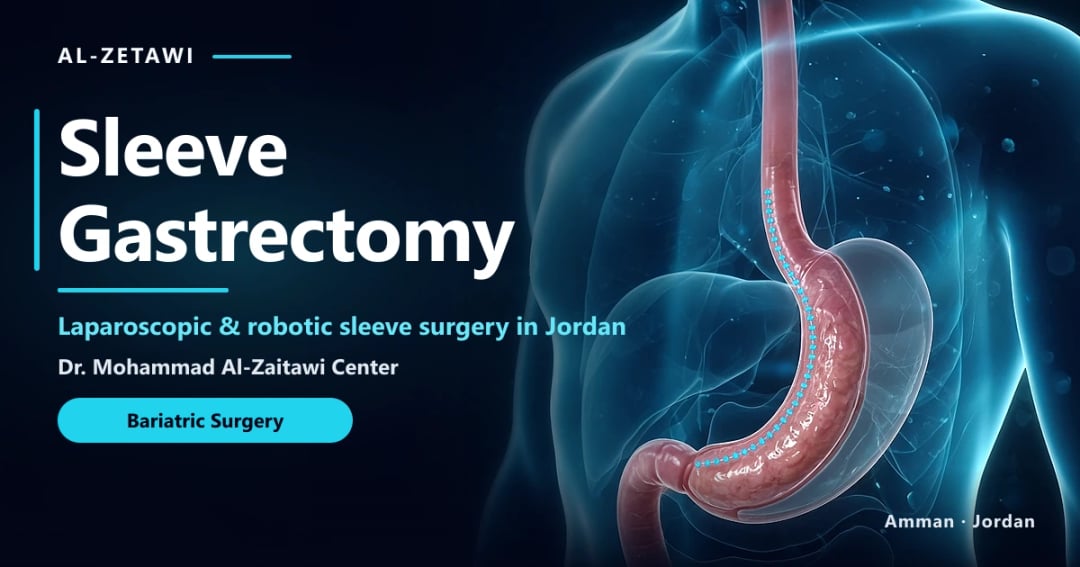
A sleeve gastrectomy removes about 80% of the stomach, leaving a narrow tube. There is no rerouting of the intestine: food passes through the same outlet into the small intestine as before. A Roux-en-Y gastric bypass creates a pouch about the size of an egg at the top of the stomach, then makes two joins: one connecting the pouch to a limb of small intestine, and another further down where digestive juices rejoin the food stream. The rest of the stomach stays in the body but no longer receives food.
| Question | Sleeve gastrectomy | Roux-en-Y gastric bypass |
|---|---|---|
| What is changed | About 80% of the stomach removed, intestine untouched | Egg-sized pouch plus two joins to the small intestine |
| Typical weight loss (Harvard) | About 25% of body weight | About 33% of body weight |
| SM-BOSS five-year excess BMI loss | 61.1% | 68.3%, difference not statistically significant |
| Reflux | Can start or worsen heartburn | Usually improves reflux |
| HbA1c 6% or less at five years (STAMPEDE) | 23% | 29%, compared with 5% on medical therapy alone |
| Laboratory follow-up | Lifelong supplements and regular labs | Closer monitoring of iron, B12, calcium, vitamin D |
| Specific long-term issues | Reflux in some patients | Dumping more common; internal hernia risk |
Both operations are performed laparoscopically or robotically at London Health Sciences Centre, meaning through several small incisions rather than one large opening. The sleeve gastrectomy page and the gastric bypass page describe each operation in more depth. Understanding the anatomy makes a surgeon's recommendation easier to follow, because most of the differences between the two operations, good and bad, come directly from whether the intestine is rerouted.
How reflux and diabetes shape the surgeon's choice
Reflux is one of the factors most likely to push a recommendation toward bypass. A sleeve's narrow, higher-pressure tube can start or worsen heartburn, removing the fundus changes the geometry where the esophagus meets the stomach, and a hiatal hernia may remain. A Roux-en-Y bypass usually improves reflux. In the Swiss SM-BOSS randomized trial (PubMed ID 29340679), reflux symptoms favoured bypass at five years, while the weight loss difference between the operations was not statistically significant. The Finnish SLEEVEPASS trial (PubMed ID 29340676), also randomized over five years, found large weight loss after both. Barrett's esophagus or severe esophagitis usually points to bypass in the discussion.
Type 2 diabetes is the other major factor. In the STAMPEDE trial (PubMed ID 28199805), an HbA1c of 6% or less at five years was reached by 5% of patients on medical therapy alone, 29% after bypass, and 23% after sleeve. Both operations far outperformed medicine alone on that target, with bypass somewhat ahead. A surgeon weighing these results for a patient with long-standing diabetes and reflux will often recommend bypass; for a patient without either, the balance may favour a sleeve.
If you have reflux, describe it precisely during assessment: how often, whether it wakes you, which medicines you use and whether they work. If you have diabetes, bring your recent HbA1c results and medicine list. Occasional heartburn is different from esophagitis, and an endoscopy can clarify which you have. These details are exactly what a surgeon uses when deciding whether your situation is one of the specific situations in which a sleeve makes sense.
Vitamins, dumping and internal hernia after gastric bypass
If your program recommends bypass, plan for its long-term requirements. Because food bypasses part of the small intestine, absorption of iron, vitamin B12, calcium, and vitamin D changes, and those nutrients need closer laboratory monitoring than after a sleeve. Supplements continue for life. Deficiencies can develop slowly and without obvious symptoms, leading to anaemia, nerve damage, or weakened bones if they are not caught. Program follow-up lasts at least a year at London Health Sciences Centre; after that, your family doctor usually takes over ongoing monitoring, so make sure they know which tests to order and how often.
Dumping is more common after bypass than after sleeve. Eating sugary or very rich foods can cause cramping, nausea, sweating, a racing heart, and diarrhoea soon after eating, and some people experience low blood sugar a few hours later. Many people learn which foods trigger it and avoid them, and some find it helps them steer away from sweets. Tell your clinician if episodes are frequent or if you have symptoms of low blood sugar such as shakiness, confusion, or fainting.
Internal hernia is a long-term risk specific to bypass. The rerouting creates spaces inside the abdomen through which a loop of intestine can slip and become trapped, sometimes years after surgery. It often shows up as crampy abdominal pain, which may come and go or become severe. Anyone who has had a bypass and develops unexplained abdominal pain should tell the emergency team about the operation, because the assessment and imaging differ from those for someone without that anatomy. Carry a note with the operation name and date.
How long is the wait for bariatric surgery in Canada?
Waits vary by province, by centre, and over time, and this guide does not print a national wait time because no single figure would be accurate for everyone. What is known from Ontario's published information is the structure of the process: a physician referral through the Ontario Bariatric Network, assignment by postal code, an assessment and education stage that takes several months at London Health Sciences Centre, then surgery scheduling, then follow-up lasting at least a year.
Several things can lengthen your own timeline. Delays in completing tests, missed education sessions, medical conditions that need to be optimised before surgery, smoking that needs to stop, and changes in your health during the process all add time. Some delays are within your control and some are not. Asking the program at each step what remains before the next stage helps you avoid waiting on something you could have completed sooner.
To get a realistic estimate, ask your referring physician and the program itself. Questions that help include: how long from referral to the first appointment? How long does assessment usually take here? What is the typical time from approval to an operation date? The guide to bariatric surgery wait times in Canada covers this topic in more detail. Treat any number you see online, including figures from friends or forums, as one person's experience at one centre at one moment, not a prediction for your own case.
Does OHIP pay for bariatric surgery abroad?
OHIP does not pay for elective surgery in Jordan. If you decide to have a sleeve or bypass outside Canada rather than through your provincial program, you pay for the operation yourself. Other provinces have their own rules on out-of-country care, so check with your own provincial plan in writing before assuming anything is covered.
Leaving the public pathway also affects follow-up. The public program's assessment, education, and follow-up services, covered by OHIP at centres such as London Health Sciences Centre, are built around patients who had surgery in that program. If you have surgery privately abroad, you may not automatically have access to the program's post-operative team. Your family doctor will usually manage long-term care, laboratory monitoring, and referrals if complications arise, and emergency care in Canada remains available through the usual routes.
Travel health insurance is another issue. Many travel policies exclude complications of elective procedures performed abroad, so read the policy wording carefully or look for coverage designed for medical travel. Ask whether it covers extended stays, return travel if you are not fit to fly on schedule, and treatment of complications after you return. The guide to OHIP coverage for a gastric sleeve explains in more detail what the public system pays for and where its coverage stops. Weigh the trade-off honestly: paying privately may change timing and give you more say in the choice of operation, but it shifts cost and some follow-up responsibility onto you.
What does a gastric sleeve cost for Canadians going to Amman?
For a sleeve gastrectomy in Amman, the published reference average is about USD 2,500. That figure is a reference, not a personal price. The binding figure is the written quote issued after your medical file has been reviewed, and it states what is included. No bypass price is published here; a Roux-en-Y bypass or a conversion is quoted individually after review, because the operation, hospital stay, and follow-up needs differ.
When comparing that quote with other options, add the costs that sit outside it. Flights from Canada, accommodation for the period you need to remain near the hospital, travel insurance that covers medical travel, and time off work all count. So do the items that the Thunder Bay program lists as out of pocket even for patients in the public system: a pre-surgery meal replacement, lifelong vitamins, and a proton pump inhibitor for about six months. Laboratory monitoring at home, which your family doctor will usually arrange through OHIP or your provincial plan, is part of the long-term picture too.
Ask for every inclusion and exclusion in writing. Which operation exactly? Which tests? How many nights in hospital? What follow-up is included after you return home, and how is it delivered? What happens, and who pays, if a complication occurs before you leave? The cost and packages page describes package contents in general terms. Choose based on safety, the appropriateness of the operation for your medical situation, and the strength of the follow-up plan, not on the headline figure alone.
Arranging follow-up in Canada after surgery abroad
Arrange follow-up before you book travel. The most important person is your family doctor or nurse practitioner. Tell them your plans, ask whether they will monitor you afterward, and agree on which blood tests are needed and when. After a bypass, iron, vitamin B12, calcium, and vitamin D need closer monitoring, so make sure the schedule reflects the operation you are having. If you do not have a family doctor, find a clinic that will take you on before you leave, because walk-in clinics may not offer continuity.
Bring home complete records: the operative note naming the exact operation, the discharge summary, medicines prescribed, diet stage instructions, and any test results from your stay. Keep paper and digital copies. If you develop a problem in Canada, an emergency physician or family doctor will need to know precisely what was done. A sleeve, a Roux-en-Y bypass, and a one-anastomosis bypass have different complications, and internal hernia, for example, is a bypass-specific concern that changes how abdominal pain is assessed.
Know the warning signs that need prompt care: fever, increasing abdominal pain, a fast heart rate, vomiting that prevents you from keeping fluids down, difficulty swallowing, black stools, or shortness of breath. In an emergency, go to the nearest emergency department and tell staff about your surgery. For non-urgent questions, know how to reach the surgical team abroad and in which time zone. Follow the eating stages carefully; the guide to eating after a gastric sleeve covers them. If a revision is ever needed, the revision surgery page explains how those cases are reviewed.
Getting a sleeve or bypass review from a surgeon in Amman
Dr. Mohammad Al-Zaitawi is a bariatric surgeon in Amman, Jordan, who reviews patients from Canada considering a sleeve gastrectomy, a Roux-en-Y gastric bypass, or revision surgery. The review uses the same medical reasoning described throughout this guide: reflux history, diabetes, medicines, vitamin needs, previous operations, and your ability to keep up long-term follow-up at home. The recommendation explains which operation is advised for you and why.
The clinic is in Shmeisani, Amman, on Hanin Bin Ishaq Street, in Al-Husseini Medical Complex 1, opposite Specialty Hospital. Surgery takes place in a private hospital in Amman that is named to you before you book. To start, send your height, weight, medical history, current medicines, and any recent blood tests, endoscopy reports, or letters from a Canadian program through the consultation page or by WhatsApp at +962 7 9570 2800. A written quote follows the review.
If you are already in an Ontario or other provincial program, it is worth weighing that pathway carefully before leaving it, since OHIP covers its assessment and follow-up services. If you decide to proceed privately, involve your family doctor early, organise travel insurance that covers medical travel, and plan for vitamins, laboratory monitoring, and acid-reducing medicine as ongoing responsibilities at home.
Questions patients ask
These answers are general. Your file, your medicines, and your endoscopy can change them.
Can I demand a sleeve from OHIP?
Will Amman automatically copy the Canadian plan?
Is mini bypass offered in provincial programs?
What should I upload?
Medical note from Dr. Mohammad Al-Zaitawi
If an Ontario surgeon has already said bypass because of your esophagus, I need that report. I do not start from zero to satisfy a search term.
Scientific references and guidance
These sources support the medical information on this page. If you want this guidance applied to your own case, send us your details for an initial review.
Reviewed by Dr. Mohammad Al-Zaitawi
Prefer a quicker route? Try the free case review or see bariatric surgery costs in Jordan.