
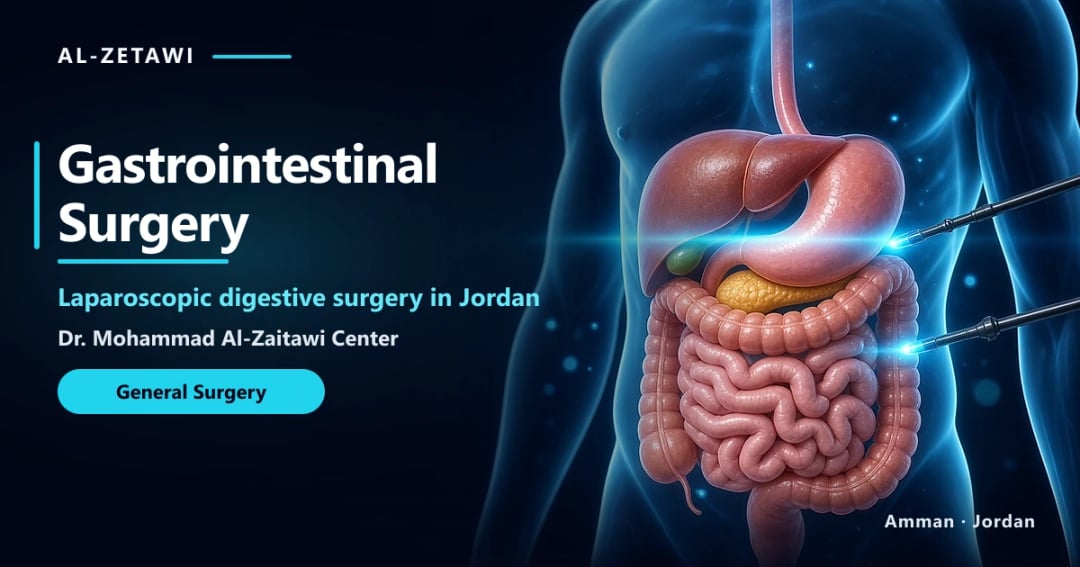
What Is Gastrointestinal Surgery?
Gastrointestinal (GI) surgery is the surgical treatment of diseases affecting the digestive tract and the organs that support it: the oesophagus, stomach, small intestine, appendix, colon, rectum, gallbladder, bile ducts, spleen and the abdominal wall. It covers planned operations for long-standing problems such as reflux disease and diverticulitis, as well as urgent operations for conditions such as appendicitis, bowel obstruction and perforated ulcers.
Over the past three decades, GI surgery has been transformed by minimally invasive techniques. Many operations that once required a long incision are now performed laparoscopically through small keyhole incisions, or with robotic assistance. Combined with enhanced recovery programmes, this has reduced pain, shortened hospital stays and allowed patients to return to normal life sooner, without compromising the quality of the operation when performed by trained surgeons.
Who performs GI surgery?
GI operations are performed by general and gastrointestinal surgeons who work closely with gastroenterologists, radiologists, anaesthetists, dietitians and, for cancer care, oncologists in a multidisciplinary team. The best outcomes come from a correct diagnosis, an appropriate decision about whether surgery is needed at all, and a well-planned operation with good aftercare.
What this guide covers
This guide explains the most common laparoscopic GI operations, the conditions they treat, when non-surgical treatment is preferable, what to expect from preparation and recovery, and how international patients can plan care in Amman. It draws on guidelines from SAGES, the American College of Gastroenterology, the World Society of Emergency Surgery, the American Society of Colon and Rectal Surgeons, the ERAS Society and landmark randomised trials. It is written by the team at Dr. Mohammad Al-Zaitawi's center, whose practice covers laparoscopic, robotic, gastrointestinal and bariatric surgery.
Laparoscopic, Robotic and Open GI Surgery
Most planned GI operations can now be performed using minimally invasive surgery. The surgeon inflates the abdomen with carbon dioxide, introduces a high-definition camera and works with long, slim instruments through incisions of 5 to 12 mm. When an organ or part of the bowel must be removed, one incision is extended slightly, often low on the abdomen, to bring it out.
| Approach | Main advantages | Main considerations |
|---|---|---|
| Laparoscopic | Less pain, smaller scars, shorter stay, faster return to activity, fewer wound complications | Requires advanced training; not always possible with dense adhesions or in unstable emergencies |
| Robotic-assisted | 3D magnified view, wristed instruments, steady movements, useful in narrow spaces such as the pelvis and for complex reconstruction | Higher cost and longer set-up; benefits over expert laparoscopy vary by procedure |
| Open | Direct access for very complex, emergency or extensive operations | Larger incision, more pain, longer recovery and higher risk of wound complications and incisional hernia |
Large randomised trials in colon cancer, such as the COST trial published in The New England Journal of Medicine in 2004 and the European COLOR trial, showed that laparoscopic colectomy achieves cancer outcomes comparable to open surgery, with faster recovery. Similar benefits of laparoscopy have been shown across many GI procedures.
Converting to open surgery
Sometimes, a laparoscopic operation is converted to open surgery because of bleeding, dense scar tissue, unclear anatomy or the need for a more extensive procedure. This is a safety decision, not a failure, and you should discuss the likelihood of conversion before surgery.
Dr. Mohammad Al-Zaitawi performs laparoscopic and robotic surgery and chooses the approach for each patient after assessment, prioritising safety and the quality of the operation over the type of technology.
Digestive Symptoms You Should Not Ignore
Many digestive symptoms, such as occasional heartburn, bloating or a short bout of diarrhoea, are common and harmless. Some symptoms, however, are considered alarm features because they can signal a serious condition that needs prompt investigation, usually with endoscopy, imaging or blood tests. See a doctor without delay if you notice:
- Difficulty swallowing, or food sticking in the chest or throat
- Unintentional weight loss
- Vomiting blood or material that looks like coffee grounds
- Black, tarry stools or blood in the stool
- Iron deficiency anaemia without a clear cause, such as heavy periods
- A persistent change in bowel habit lasting several weeks, especially after the age of 45
- Persistent abdominal pain, a new abdominal lump or swelling
- Yellowing of the skin or eyes
- Persistent vomiting or symptoms that wake you from sleep
These symptoms do not automatically mean cancer, and most turn out to have benign causes, but they should never be ignored or treated only with over-the-counter remedies. Early diagnosis makes most digestive conditions easier to treat, and many can be managed without surgery when they are found early.
Sudden severe abdominal pain
Sudden severe abdominal pain, especially with fever, vomiting, a rigid abdomen or fainting, may indicate appendicitis, perforation, obstruction or another emergency. Go to the nearest emergency department rather than waiting for a routine appointment.
Reflux Disease and Hiatal Hernia Surgery
Gastro-oesophageal reflux disease (GERD) occurs when stomach contents repeatedly flow back into the oesophagus, causing heartburn, regurgitation, chest discomfort, cough or hoarseness. It is often associated with a hiatal hernia, in which part of the stomach moves upwards through the diaphragm.
When is surgery considered?
Most people with reflux improve with lifestyle measures and proton pump inhibitors (PPIs). Surgery is considered for selected patients, including:
- Persistent regurgitation despite medicines, which PPIs control less well than heartburn
- Patients who respond to medicines but do not want lifelong treatment or experience side effects
- Large or symptomatic paraoesophageal hiatal hernias
- Complications such as severe oesophagitis or strictures, in selected cases
- Reflux-related respiratory symptoms in carefully investigated patients
Tests before reflux surgery
Before anti-reflux surgery, the 2021 SAGES guidelines and international consensus emphasise objective testing: upper endoscopy, ambulatory pH or pH-impedance monitoring to confirm reflux, and oesophageal manometry to assess the oesophagus's muscle function and exclude motility disorders such as achalasia. A barium swallow can define the anatomy of large hernias.
Laparoscopic fundoplication
The standard operation is laparoscopic hiatal hernia repair with fundoplication. The hernia is reduced, the opening in the diaphragm is narrowed with stitches, and the upper part of the stomach is wrapped around the lower oesophagus to reinforce the valve. A Nissen fundoplication is a full 360-degree wrap; a Toupet fundoplication is a partial 270-degree wrap that may cause fewer swallowing and bloating side effects. The SAGES 2021 guideline suggests that either can be appropriate, and the choice is individualised.
Reflux and obesity
In people with obesity, fundoplication alone has higher failure rates. Roux-en-Y gastric bypass is often recommended for patients with significant reflux and a BMI in the bariatric range, because it reduces acid reflux while treating obesity. Sleeve gastrectomy can worsen reflux in some patients, which is considered when choosing a weight loss operation.
Achalasia and Swallowing Disorders
Achalasia is an uncommon disorder in which the nerves of the oesophagus are damaged, so the oesophagus does not push food down properly and the lower oesophageal sphincter fails to relax. Patients experience difficulty swallowing both solids and liquids, regurgitation of undigested food, chest pain and weight loss.
Diagnosis
High-resolution oesophageal manometry is the key test and classifies achalasia into subtypes that help predict treatment response. Endoscopy excludes other causes, particularly a tumour at the junction of the oesophagus and stomach, and a timed barium swallow shows how well the oesophagus empties.
Treatment options
| Treatment | Description | Key points |
|---|---|---|
| Laparoscopic Heller myotomy with partial fundoplication | The muscle of the lower oesophageal sphincter is divided laparoscopically, and a partial wrap is added to reduce reflux | Durable, well-established surgical treatment |
| Peroral endoscopic myotomy (POEM) | The muscle is divided endoscopically from inside the oesophagus | Effective; higher rate of reflux afterwards because no wrap is added |
| Pneumatic dilation | A balloon stretches the sphincter endoscopically | Effective in many patients, may need repeating |
| Botulinum toxin injection | Temporarily relaxes the sphincter | Short-lived; reserved for patients unfit for other treatments |
The American College of Gastroenterology 2020 clinical guideline on achalasia considers laparoscopic Heller myotomy, POEM and pneumatic dilation as effective options for appropriate patients, with the choice depending on the achalasia subtype, local expertise and patient preference. Swallowing problems should always be investigated, because difficulty swallowing can also be a sign of oesophageal cancer, strictures or other conditions.
Stomach and Duodenal Surgery
Perforated peptic ulcer
Peptic ulcers in the stomach or duodenum are usually treated with acid-suppressing medicines and eradication of Helicobacter pylori. When an ulcer perforates, causing sudden severe abdominal pain, emergency surgery is needed. Laparoscopic repair with an omental patch, followed by antibiotics, acid suppression and H. pylori treatment, is an effective approach in stable patients and is supported by WSES guidelines on perforated and bleeding peptic ulcers.
Gastrointestinal stromal tumours (GIST)
GISTs are uncommon tumours arising from the wall of the stomach or intestine. Small GISTs found incidentally may be monitored, while larger or growing tumours are typically removed. Many gastric GISTs can be removed laparoscopically with a margin of normal tissue, without the need for extensive lymph node removal. Treatment is planned with a multidisciplinary team, and some patients receive targeted medicines before or after surgery.
Gastric cancer
Gastric cancer treatment depends on stage. Very early tumours may be removed endoscopically, while more advanced tumours usually require partial or total gastrectomy with lymph node removal, often combined with chemotherapy before and after surgery. Laparoscopic and robotic gastrectomy are increasingly used in experienced centres. All cancer decisions should be made by a multidisciplinary tumour board including surgeons, oncologists, gastroenterologists, radiologists and pathologists.
Other stomach conditions
- Gastric outlet obstruction from ulcer scarring, sometimes treated with laparoscopic bypass or endoscopic dilation
- Large benign polyps that cannot be removed endoscopically
- Complications of previous stomach surgery, including bariatric operations
Appendicitis and Laparoscopic Appendectomy
Appendicitis is inflammation of the appendix, a small finger-like pouch attached to the beginning of the colon. It is one of the most common causes of emergency abdominal surgery worldwide. Typical symptoms begin with pain around the navel that moves to the lower right abdomen, loss of appetite, nausea and fever.
Diagnosis
Diagnosis combines examination, blood tests and imaging. Ultrasound is often used first, especially in children and pregnant women, while CT is highly accurate in adults. Clinical scores such as the Alvarado or Adult Appendicitis Score help decide who needs imaging or surgery.
Surgery or antibiotics?
Laparoscopic appendectomy remains the standard treatment, with small incisions, low complication rates and quick recovery. The WSES 2020 Jerusalem guidelines recommend laparoscopic appendectomy as the preferred approach where expertise and equipment are available.
Antibiotics alone are an option for selected adults with uncomplicated appendicitis confirmed on imaging. The CODA trial, published in The New England Journal of Medicine in 2020, found that antibiotics were non-inferior to appendectomy for overall health status at 30 days, but about three in ten patients treated with antibiotics needed an appendectomy within 90 days, and the risk was higher in patients with an appendicolith (a hard stone in the appendix). The decision should be shared between patient and surgeon.
Complicated appendicitis
If the appendix has perforated or formed an abscess, treatment may include surgery, antibiotics and, in some cases, drainage of the abscess first. After non-surgical treatment of an appendiceal mass in adults, follow-up imaging or colonoscopy is often recommended to exclude an underlying tumour, particularly in older patients.
Colon and Rectal Surgery
Colorectal surgery treats conditions of the large bowel and rectum, including cancer, diverticular disease, inflammatory bowel disease, large polyps and some functional disorders. Minimally invasive techniques are now standard for many of these operations.
Colorectal cancer
Colorectal cancer is one of the most common cancers worldwide. Surgery removes the affected segment of bowel together with its blood supply and lymph nodes, and the bowel ends are joined (anastomosis). Laparoscopic colectomy has been shown in large randomised trials to provide cancer outcomes similar to open surgery with faster recovery. Rectal cancer often requires additional treatment such as radiotherapy and chemotherapy, and surgery in the narrow pelvis may benefit from robotic assistance in experienced hands. Every cancer case is discussed in a multidisciplinary team.
Diverticular disease
Diverticula are small pouches in the colon wall, common with increasing age. Diverticulitis occurs when they become inflamed. According to the American Society of Colon and Rectal Surgeons (ASCRS) 2020 guideline, many patients with uncomplicated diverticulitis recover without surgery, and some selected patients may not even need antibiotics. Elective colectomy is considered individually, based on the frequency and severity of attacks, persistent symptoms, complications such as fistula or narrowing, and the patient's overall health, rather than simply counting the number of episodes. Perforation with widespread peritonitis requires emergency surgery.
Inflammatory bowel disease
Crohn's disease and ulcerative colitis are primarily treated with medicines. Surgery is considered for complications such as strictures, fistulas, abscesses, bleeding, failure of medical therapy or dysplasia. Laparoscopic surgery is widely used, and decisions are made jointly with gastroenterologists.
Screening and prevention
Colonoscopy screening can find and remove polyps before they become cancer. Discuss screening with your doctor, especially if you are over 45, have a family history of colorectal cancer or notice rectal bleeding, a change in bowel habits, unexplained weight loss or anaemia.
Small Bowel Obstruction and Adhesions
Adhesions are bands of scar tissue that can form inside the abdomen after previous surgery or inflammation. They are the most common cause of small bowel obstruction in adults. Symptoms include cramping abdominal pain, swelling, vomiting and inability to pass wind or stool.
Initial treatment
The WSES Bologna guidelines on adhesive small bowel obstruction recommend that patients without signs of strangulation, peritonitis or bowel ischaemia are initially managed without surgery: fasting, intravenous fluids, decompression with a nasogastric tube and correction of electrolytes. A water-soluble contrast study (often called a Gastrografin challenge) helps predict which patients will resolve without surgery and may shorten hospital stay.
When surgery is needed
- Signs of strangulation or bowel ischaemia, such as fever, constant pain, raised lactate or CT findings
- Peritonitis or perforation
- Failure to improve after a period of non-operative management, typically up to about 72 hours
- Closed-loop obstruction or a hernia causing obstruction
Laparoscopic adhesiolysis
In selected patients, particularly those with a single adhesive band and limited bowel distension, laparoscopic adhesiolysis can relieve the obstruction with the benefits of minimally invasive surgery. In patients with multiple previous operations or very distended bowel, open surgery may be safer. After gastric bypass, any bowel obstruction must be assessed urgently because of the possibility of an internal hernia.
Spleen Surgery and Diagnostic Laparoscopy
Laparoscopic splenectomy
The spleen filters the blood and helps fight certain infections. Removal (splenectomy) may be needed for some blood disorders, such as immune thrombocytopenia that does not respond to medical treatment, certain inherited anaemias, splenic cysts or tumours, and sometimes after trauma. Laparoscopic splenectomy is the preferred technique for normal-sized and moderately enlarged spleens, with less pain and a shorter stay than open surgery.
Because people without a spleen have a lifelong increased risk of severe infections from encapsulated bacteria, vaccinations against pneumococcus, meningococcus and Haemophilus influenzae type b are recommended, ideally at least two weeks before planned splenectomy, along with annual influenza vaccination and advice on prompt treatment of fevers.
Diagnostic laparoscopy
Diagnostic laparoscopy allows the surgeon to look directly inside the abdomen through a small camera. It is used when the cause of abdominal pain remains unclear after tests, to assess the spread of certain cancers before major surgery, to take biopsies, and in selected trauma patients. If a treatable cause is found, it can often be dealt with during the same procedure.
Feeding access and other procedures
Laparoscopy is also used to place feeding tubes into the stomach or small intestine for patients who cannot eat enough, to drain abdominal collections and to repair internal hernias. These procedures are planned as part of an overall treatment strategy.
Gallbladder, Bile Duct and Hernia Surgery
Two of the most common operations in general and GI surgery have their own detailed guides on this site, but they are an important part of digestive surgical care.
Gallbladder and bile ducts
Gallstones that cause pain or complications such as cholecystitis or pancreatitis are treated with laparoscopic cholecystectomy, one of the most frequently performed abdominal operations. Stones in the common bile duct are usually cleared by ERCP before or around the time of surgery. Our guide to gallbladder surgery explains when surgery is needed, the critical view of safety, recovery and diet in detail.
Abdominal wall hernias
Inguinal, femoral, umbilical and incisional hernias are repaired using open, laparoscopic or robotic techniques, usually with mesh. Hiatal hernias, which affect the diaphragm and the stomach, overlap with reflux surgery as described above. Our guide to hernia surgery covers the different hernia types, when repair is advised and how recovery works.
Combined procedures
Sometimes more than one problem can be treated in a single operation, for example repairing a hiatal hernia during bariatric surgery or removing a symptomatic gallbladder at the same time as another planned laparoscopic procedure. Combining operations can reduce total anaesthesia and recovery time, but it also adds complexity, so it is decided individually after weighing the benefits and risks.
Nutrition and Digestive Health Around Surgery
Good nutrition is one of the most powerful and underused tools for safe surgery. Malnourished patients have more infections, slower wound healing and longer hospital stays. The ERAS Society recommends screening for nutritional risk before major GI surgery and providing nutritional support, often with oral supplements, for patients at risk.
Before surgery
- Eat regular meals with adequate protein, such as eggs, fish, poultry, legumes and dairy
- Correct iron deficiency or other deficiencies identified in blood tests
- Use oral nutritional supplements if you have lost weight or have a poor appetite
- Limit alcohol and stop smoking
After surgery
Most patients start drinking within hours and eating within a day after laparoscopic GI surgery. Small, frequent meals are easier to tolerate at first. Protein supports healing, while fibre is introduced gradually after bowel surgery according to advice. After operations that affect absorption, such as gastrectomy, bariatric surgery or extensive bowel resection, long-term vitamin and mineral monitoring is important, including vitamin B12, iron, vitamin D and calcium.
Long-term digestive health
A diet rich in vegetables, fruit, wholegrains and legumes, with limited processed and red meat, supports bowel health and helps reduce the risk of colorectal cancer. Maintaining a healthy weight reduces reflux, gallstones and fatty liver disease. Regular physical activity improves bowel function and overall recovery.
GI Surgery in Patients With Obesity or Previous Bariatric Surgery
Obesity affects digestive health in many ways. It increases the risk of reflux, gallstones, fatty liver disease, hernias and some GI cancers, and it can make surgery technically more demanding. Surgeons with both GI and bariatric expertise are well placed to manage these overlapping problems.
Common problems after bariatric surgery
| Problem | Typical features | Usual approach |
|---|---|---|
| Reflux after sleeve gastrectomy | Heartburn, regurgitation, sometimes oesophagitis | Medicines first; conversion to gastric bypass if severe or persistent |
| Marginal ulcer after gastric bypass | Pain, bleeding or narrowing at the connection | Stop smoking and NSAIDs, PPIs; endoscopy; surgery if refractory |
| Internal hernia after gastric bypass | Intermittent or severe abdominal pain | Urgent assessment; laparoscopic exploration and closure of defects |
| Gallstones after rapid weight loss | Biliary pain, cholecystitis | Preventive ursodeoxycholic acid; cholecystectomy if symptomatic |
| Stenosis or stricture | Vomiting, difficulty eating | Endoscopic dilation; surgery in selected cases |
Many of these issues are covered in our guides to revision bariatric surgery, revision gastric bypass and gallbladder surgery. When a GI problem arises after bariatric surgery, the altered anatomy must be understood before any procedure; for example, standard ERCP is difficult after gastric bypass.
Planning GI surgery when obesity is present
For non-urgent conditions such as large hernias or reflux, weight loss before surgery can lower risks and improve results. In some patients, a bariatric operation is the best way to treat both obesity and a GI condition together, as with gastric bypass for reflux.
The Role of Endoscopy
Endoscopy is central to modern GI care. Upper endoscopy (gastroscopy) examines the oesophagus, stomach and duodenum, while colonoscopy examines the colon and rectum. They are used to diagnose conditions, take biopsies, remove polyps, stop bleeding, dilate narrowings and place stents.
Before surgery
- To confirm the diagnosis and exclude cancer before reflux or achalasia surgery
- To mark the location of a tumour or polyp with ink so it can be found during laparoscopy
- To check the whole colon before colorectal surgery
- To assess the stomach before bariatric surgery when symptoms or risk factors are present
Instead of surgery
Some conditions that once required an operation can now be treated endoscopically, including many large polyps, early cancers in selected cases, bile duct stones (with ERCP) and some strictures. A good GI service chooses the least invasive effective treatment, which is why surgeons and gastroenterologists work together.
After surgery
Endoscopy is used to assess symptoms after GI or bariatric surgery, such as difficulty swallowing, vomiting or bleeding, and to treat complications such as strictures or ulcers without further surgery in many cases.
Enhanced Recovery After Surgery (ERAS)
Enhanced Recovery After Surgery (ERAS) is an evidence-based approach to care before, during and after surgery. The ERAS Society guidelines for elective colorectal surgery, updated in 2018, and similar guidelines for other GI operations have shown that combining many small improvements leads to fewer complications and faster recovery.
| Phase | Key ERAS elements |
|---|---|
| Before surgery | Clear information, stopping smoking and excess alcohol, nutritional screening and support, management of anaemia, avoiding prolonged fasting, carbohydrate drinks where appropriate |
| During surgery | Minimally invasive surgery when possible, short-acting anaesthesia, careful fluid management, keeping the patient warm, avoiding routine drains and tubes |
| After surgery | Early eating and drinking, early walking, opioid-sparing pain relief, early removal of urinary catheters, prevention of nausea and blood clots |
What it means for you
In practice, ERAS means you are an active participant in your recovery. You will usually be encouraged to drink within hours of surgery, start eating soon afterwards as tolerated, sit out of bed on the day of surgery and walk several times a day from the first day. Pain is controlled with regular paracetamol, anti-inflammatory medicines when suitable and local anaesthetic techniques, keeping strong opioids to a minimum to reduce nausea and constipation.
Prehabilitation
For larger operations, preparing your body in the weeks before surgery, by walking daily, doing breathing exercises, improving nutrition, correcting anaemia and stopping smoking, can improve your resilience and recovery. Ask your team for a simple plan.
Preparing for Gastrointestinal Surgery
Assessment
- A detailed consultation reviewing symptoms, previous tests and operations
- Appropriate imaging such as ultrasound, CT, MRI or contrast studies
- Endoscopy and functional tests where needed, such as manometry or pH studies
- Blood tests, including blood count, kidney and liver function, clotting and nutritional markers
- Anaesthetic assessment of heart, lung and sleep apnoea risks
- For cancer, staging investigations and multidisciplinary team review
Medicines and conditions
Blood thinners, diabetes medicines, steroids, immunosuppressive drugs and weight loss injections such as GLP-1 receptor agonists may need adjustment before surgery. Anaemia should be identified and treated in advance, often with iron, because it increases transfusion needs and complications.
Bowel preparation
For some colorectal operations, a combination of mechanical bowel preparation and oral antibiotics is used to reduce infection risk, according to current evidence and local protocols. Your team will give specific instructions.
Practical preparation
- Stop smoking as early as possible
- Stay active and walk daily
- Follow fasting instructions, which usually allow clear fluids until about two hours before surgery
- Arrange support at home for the first days after discharge
- International patients should plan their stay so that they remain in Amman until the surgeon confirms they are fit to fly
Risks and Complications
All surgery carries risk. The type and likelihood of complications depend on the operation, whether it is planned or urgent, and your general health. General risks include:
- Bleeding during or after surgery
- Wound infection or infection inside the abdomen
- Anastomotic leak, when a join between two parts of the bowel does not heal fully; this is one of the most important complications after bowel resection and may need antibiotics, drainage or further surgery
- Ileus, a temporary slowdown of bowel function causing bloating and nausea
- Injury to nearby organs such as bowel, bladder, bile ducts or blood vessels
- Blood clots in the legs or lungs
- Chest infections, particularly in smokers and after upper abdominal surgery
- Incisional hernia at the site of incisions
- Adhesions that may cause problems years later
Procedure-specific effects
| Operation | Specific effects to discuss |
|---|---|
| Fundoplication | Temporary difficulty swallowing, bloating, inability to belch or vomit, recurrence of reflux or hernia |
| Heller myotomy | Reflux after surgery, persistent difficulty swallowing in some patients |
| Colectomy | Change in bowel habits, temporary or permanent stoma in some cases |
| Splenectomy | Lifelong increased infection risk, managed with vaccines and prompt treatment of fever |
| Appendectomy | Wound infection or abscess, especially after perforated appendicitis |
Your surgeon should explain the specific risks of your operation, how they are minimised and how they would be recognised and treated.
Recovery After Gastrointestinal Surgery
Recovery varies greatly between procedures. The table below gives typical ranges for uncomplicated laparoscopic operations; your own plan may differ.
| Operation | Typical hospital stay | Return to desk work | Heavy lifting |
|---|---|---|---|
| Laparoscopic appendectomy | 1 to 2 days | 1 to 2 weeks | About 4 weeks |
| Laparoscopic fundoplication / hiatal hernia repair | 1 to 2 days | 1 to 3 weeks | About 4 to 6 weeks |
| Laparoscopic Heller myotomy | 1 to 2 days | 1 to 2 weeks | About 4 weeks |
| Laparoscopic splenectomy | 1 to 3 days | 2 to 3 weeks | About 4 to 6 weeks |
| Laparoscopic colectomy | 3 to 5 days with ERAS | 3 to 4 weeks | About 6 weeks |
| Laparoscopic gastrectomy | Several days to a week or more | 4 to 6 weeks or longer | About 6 to 8 weeks |
Eating after surgery
After most GI operations, eating starts early in small amounts. After fundoplication, a soft diet is usually recommended for several weeks, because swelling around the wrap can make swallowing solid food temporarily difficult. After bowel surgery, you return gradually to a normal diet, starting with easily digested foods. A dietitian can help when an operation affects nutrition, such as gastrectomy.
Activity
Walking several times a day speeds recovery, supports bowel function and reduces clot risk. Avoid heavy lifting and strenuous core exercises until your surgeon advises, typically four to six weeks after laparoscopic surgery. Driving is usually possible once you can perform an emergency stop without pain and are not taking sedating medicines.
Warning Signs After Surgery
Contact your surgical team or seek urgent care if you experience any of the following after GI surgery:
- Fever above 38°C, shivering or feeling generally very unwell
- Abdominal pain that is getting worse rather than better
- A fast heartbeat, dizziness or fainting
- Persistent vomiting, a swollen abdomen or inability to pass wind or stool
- Redness, swelling, pus or a foul smell from a wound
- Black or bloody stools, or vomiting blood
- Yellowing of the skin or eyes
- Shortness of breath, chest pain or a painful swollen leg
- Inability to swallow saliva after oesophageal or anti-reflux surgery
A fast heart rate and worsening pain in the days after a bowel operation can be early signs of an anastomotic leak, which is best treated early. International patients are given a written operation note and discharge summary in English and should carry them while travelling, so that any doctor can understand the operation immediately.
Follow-up
Follow-up includes a review of wound healing, recovery and pathology results, and a plan for any further treatment. For cancer surgery, ongoing care is coordinated with the oncology team. Remote follow-up is available for patients who have returned home.
Gastrointestinal Surgery in Jordan for International Patients
Amman is an established destination for international patients from the Gulf, the United Kingdom, Europe and North America, offering experienced surgeons, modern private hospitals and short waiting times. Planned laparoscopic GI operations, such as reflux surgery, hiatal hernia repair, achalasia surgery and elective colorectal surgery, can be organised efficiently with careful preparation.
A typical plan
- Share your symptoms, previous scans, endoscopy reports, biopsy results and blood tests for a remote review.
- Receive a written opinion on whether surgery is advised, any additional tests needed and the expected length of stay.
- Arrive in Amman for consultation, final investigations and anaesthetic assessment.
- Have surgery with an enhanced recovery pathway.
- Stay until the surgeon confirms you are fit to fly, which ranges from several days after simple procedures to two weeks or more after major operations.
- Continue remote follow-up and share your operation note and pathology report with your local doctor.
Emergencies are treated locally
Conditions such as appendicitis, bowel obstruction, perforation and acute bleeding must be treated where you are. International care is suitable for planned operations after your condition is stable.
Costs
Costs depend on the procedure, hospital, length of stay, investigations and any additional treatments. A personalised quote is provided after your review, with a written list of what is included.
The international patient service assists with appointments, transfers and accommodation in Amman.
Choosing a Gastrointestinal Surgeon
When choosing a surgeon for a GI operation, consider:
- Board certification in general surgery and advanced training in laparoscopic and gastrointestinal surgery
- Experience with your specific operation and with managing its complications
- Access to endoscopy, interventional radiology, intensive care and a multidisciplinary team in the hospital
- A clear explanation of alternatives, including non-surgical options
- A structured enhanced recovery and follow-up plan
About Dr. Mohammad Al-Zaitawi
Dr. Mohammad Al-Zaitawi is a consultant surgeon in Amman whose practice covers bariatric, laparoscopic, advanced robotic, gastrointestinal and oncology surgery. He holds the Jordanian Board in General Surgery and a subspecialty in bariatric surgery, is a Fellow of the American College of Surgeons and a Fellow of the International College of Surgeons, and holds a diploma in laparoscopic and bariatric surgery from Strasbourg, France. You can review his profile and credentials, read patient stories and see patient reviews.
Questions to ask at your consultation
- What exactly is my diagnosis, and what tests confirm it?
- Are there effective non-surgical options for me?
- Which operation do you recommend, and will it be laparoscopic or robotic?
- What are the specific risks and side effects of this operation?
- How long will I stay in hospital and in Jordan?
- How will my follow-up be arranged after I return home?
- Will my case be discussed with a multidisciplinary team?
Frequently Asked Questions
What does gastrointestinal surgery include?
Can most GI operations be done laparoscopically?
When is reflux surgery recommended?
Can appendicitis be treated with antibiotics instead of surgery?
Do I need surgery for diverticulitis?
Is laparoscopic surgery safe for colon cancer?
What is enhanced recovery after surgery?
How long will I stay in hospital?
What is achalasia, and how is it treated?
Can GI problems occur after bariatric surgery?
Do I need vaccines before splenectomy?
When can I fly home after GI surgery?
Will I need a special diet after surgery?
Conclusion
Gastrointestinal surgery covers a wide range of conditions, from reflux and hiatal hernia to appendicitis, diverticulitis, achalasia and bowel cancer. Minimally invasive laparoscopic and robotic techniques, combined with enhanced recovery programmes, now allow most planned operations to be performed with small incisions, short hospital stays and a faster return to normal life. The foundation of good results remains the same: an accurate diagnosis, a careful decision about whether surgery is needed, a well-performed operation and close follow-up.
At Dr. Mohammad Al-Zaitawi's center in Shmeisani, Amman, GI care is planned around your diagnosis and your goals, with an honest discussion of every option.
Your next steps
- Gather your scans, endoscopy and biopsy reports and blood tests.
- Request a free consultation for a remote review.
- Receive a personalised plan including the recommended operation and expected stay.
- Explore our related guides on gallbladder surgery and hernia surgery.
This guide is for general information and does not replace individual medical advice. Treatment decisions are made only after a personal assessment by your surgeon and, where appropriate, a multidisciplinary team.
Medical note from Dr. Mohammad Al-Zaitawi
The correct procedure should be selected by medical assessment, not by name alone. Safety, anatomy, medical history and long-term follow-up are essential.
What international patients say
Selected patient feedback connected to this procedure.
International Patient
The coordination before travel and the follow-up after surgery were clear and professional.
Related articles and success stories
Helpful links for patients comparing treatment options and planning their journey.
Scientific references and guidance
These sources support the medical information on this page. If you want this guidance applied to your own case, send us your details for an initial review.
Reviewed by Dr. Mohammad Al-Zaitawi
Prefer a quicker route? Try the free case review or see bariatric surgery costs in Jordan.